
Category
Manufacturing Operations
Planning, routing, shop-floor discipline and getting real output data.
Running the day-to-day of a factory means keeping every shift moving, every part tracked, and every pay slip correct. You set the production plan, route jobs through the machines, enforce the right sequence on the floor, and then you need the real numbers—how many pieces came off, how many hours were spent, and what quality issues showed up. The problem is that these pieces usually live in different places: the plan is in one spreadsheet, the shop-floor logs are on clipboards, and the payroll is in another system. When you try to reconcile them, you waste time hunting for data and arguing over who worked what.
This category covers the nuts and bolts of keeping operations tight. You’ll find straightforward guidance on planning jobs, setting the right routing so operators follow the best path, and capturing real output data without extra paperwork. The articles show how to pull it all together so you can see what’s happening on the floor and pay people accurately, all in one run.
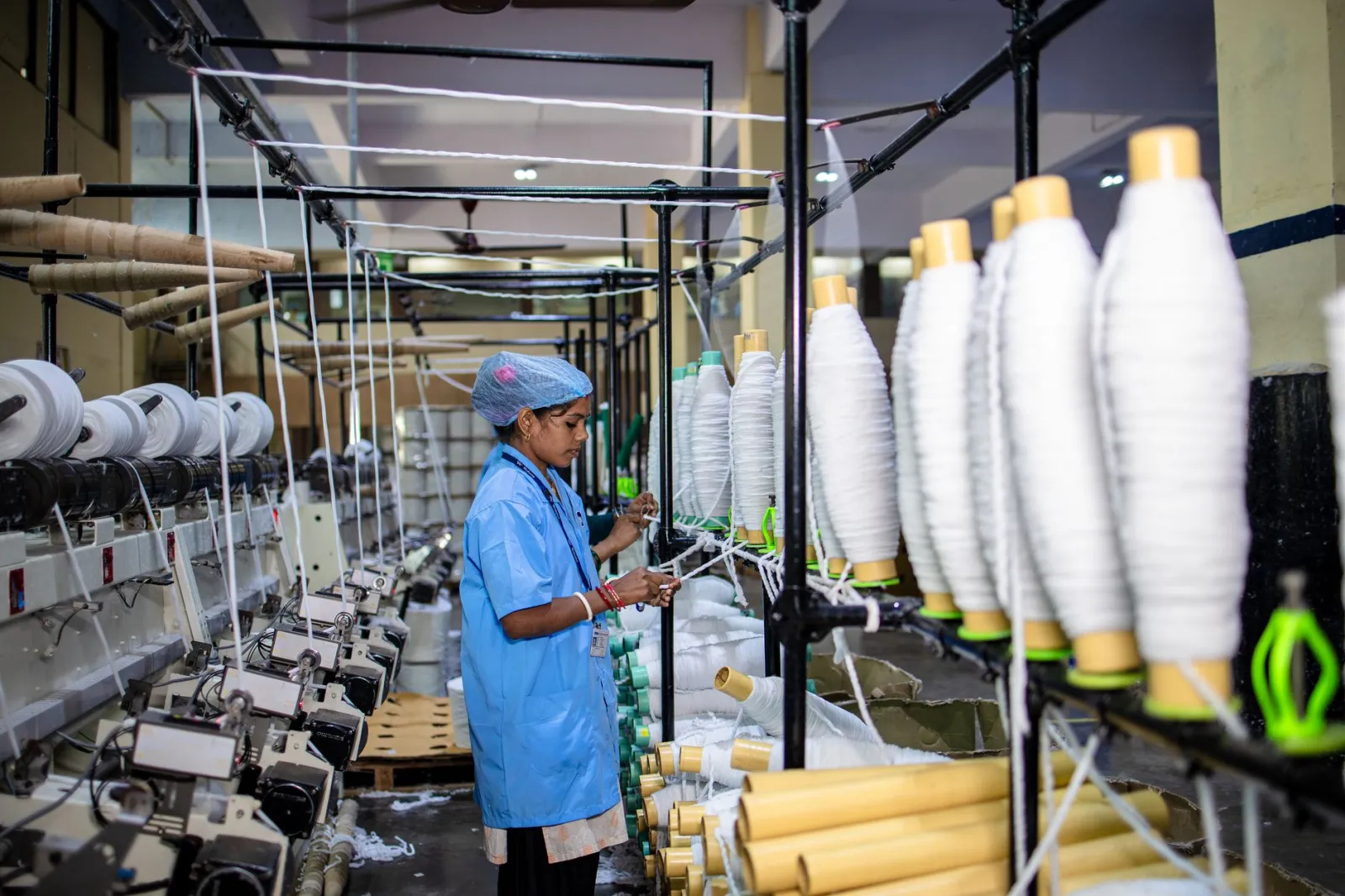
How to Cut Fabric Production Lead Time Using ERP Data
Fabric production lead times shrink when you track the right data in your ERP, not when you guess which stage is slowest...
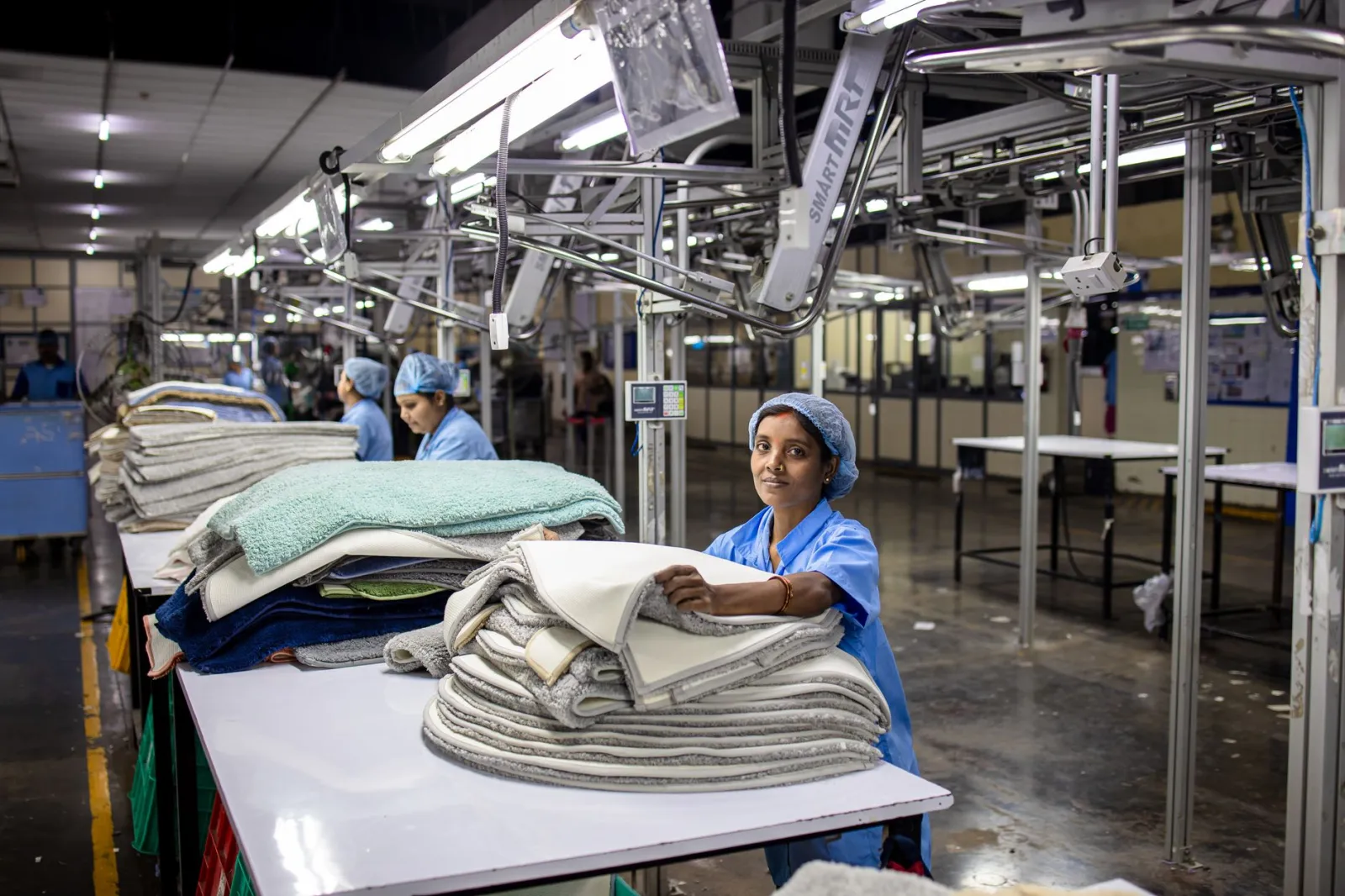
Choosing ERP for Shift Workers: What to Test Before Signing
Selecting ERP for shift workers requires testing real-world use cases, not just demos—here’s what to check before signin...
How to Improve OEE with ERP Data in Your Factory
Use existing ERP data to measure OEE accurately, find losses and raise plant performance without extra sensors or spread...
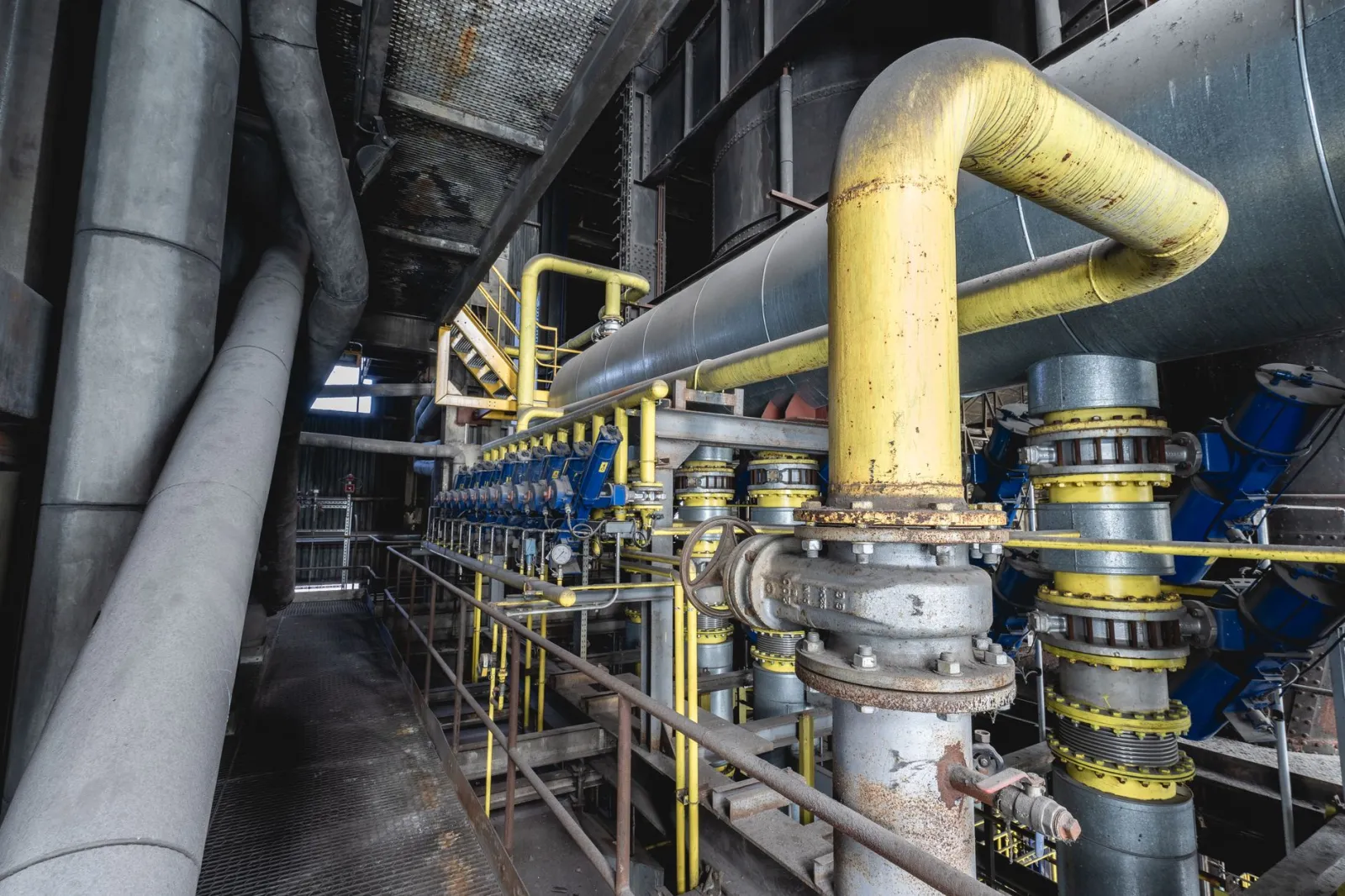
How to Reduce Energy Costs in Manufacturing Using ERP Data
A plain guide to using ERP data for spotting and cutting energy waste in manufacturing plants, written for those who run...

How to Use ERP Data to Predict and Prevent Supply Chain Disruptions
A practical guide for factory owners and production managers on using ERP data to predict and prevent supply chain disru...

Optimise Shift Scheduling in High-Mix Factories Using ERP Data
Use real-time ERP data to balance shift workloads, cut overtime, and match labour to machine capacity in high-mix manufa...
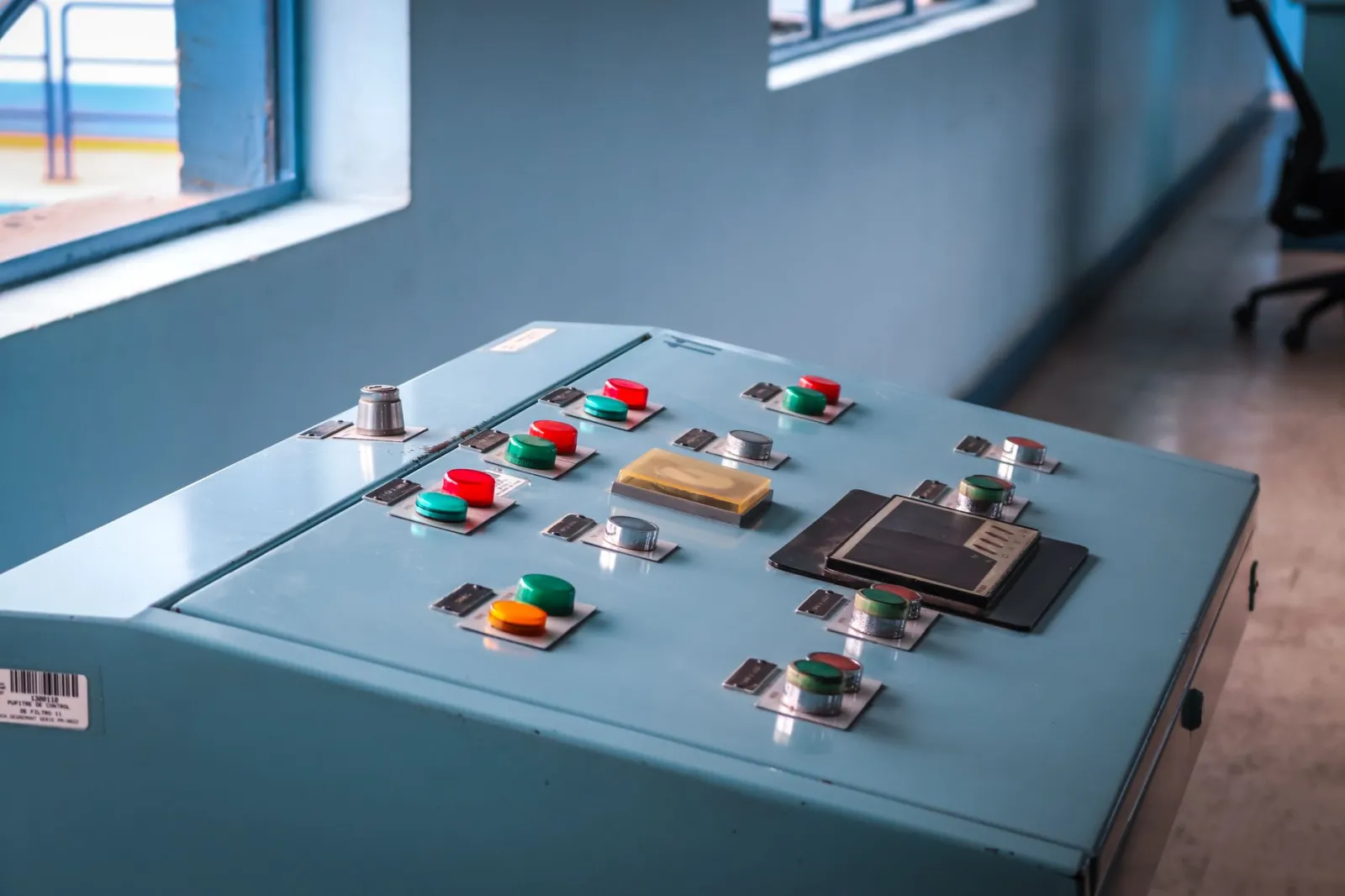
Configure an ERP Production Efficiency Dashboard in Six Steps
A practical guide to configuring and interpreting ERP dashboards that monitor real-time production efficiency without sp...

How to Cut Material Waste in Manufacturing Using ERP Data
A guide for plant managers and accountants on using ERP data to identify and cut material waste without guesswork.
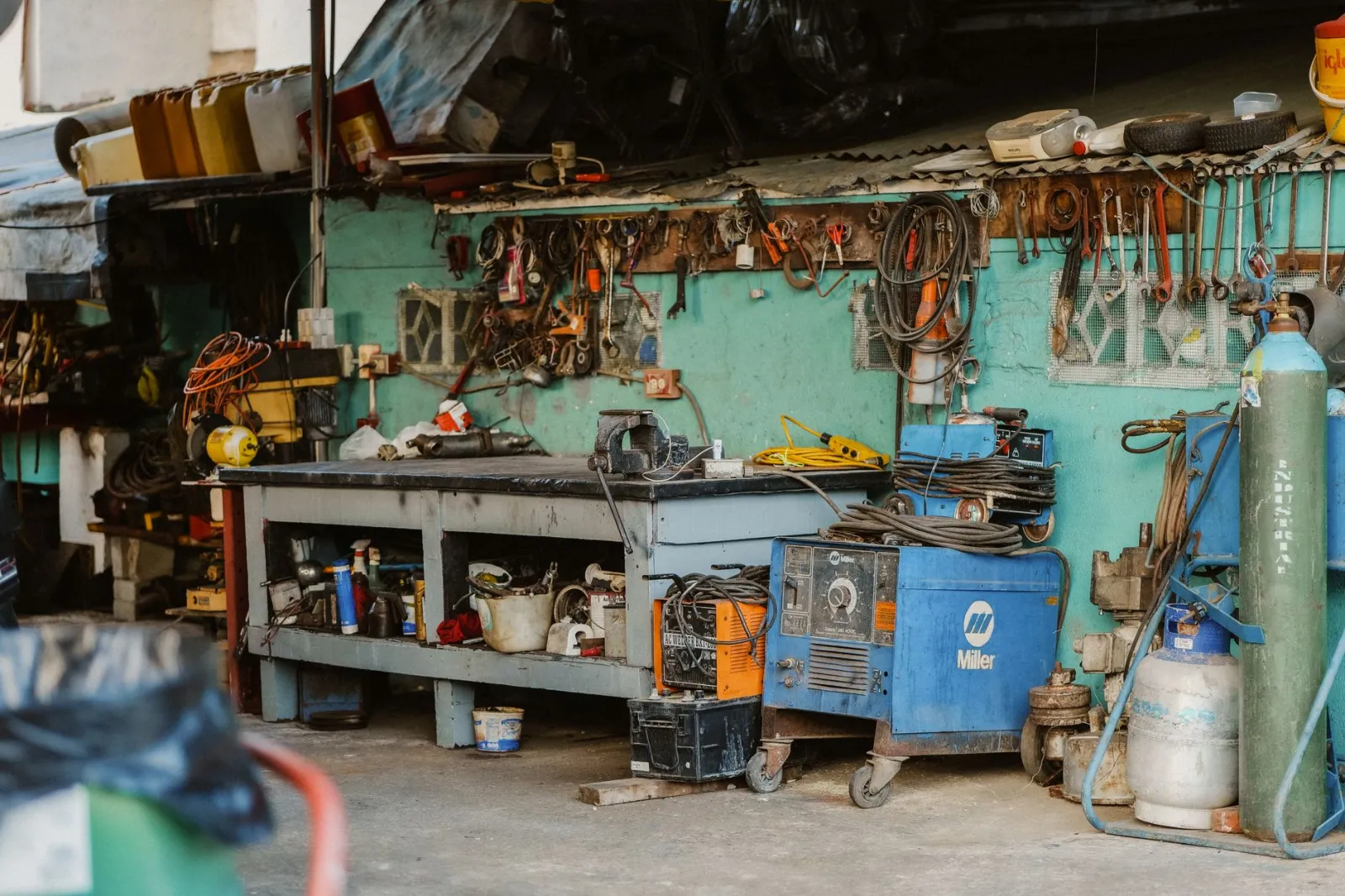
How machine downtime tracking cuts breakdowns before they happen
Capturing every breakdown with machine downtime tracking gives the data to schedule preventive maintenance before failur...
Newsletter
One article a week, no sales mail
Practical notes on costing, stock accuracy, planning and quality — written for people who run plants.
Questions about manufacturing operations
What people ask before they start
How do I handle piece-rate, daily wage, and monthly staff payroll in the same factory?
You need one system that can calculate piece-rate wages from shop-floor output, daily wages from attendance, and monthly salaries for salaried staff without separate exports. The payroll run should pull the actual hours, pieces, and attendance directly from production and HR data so you don’t re-enter numbers.
What’s the best way to plan production so the shop floor actually follows the schedule?
Start with a realistic plan that matches machine capacity and labor availability. Then route each job through the correct work centers in the right order so operators know exactly what to do next. The plan should update automatically when output or delays change, so the shop floor always has the latest sequence.
How do I capture real output data without operators filling out extra forms?
Use shop-floor terminals or mobile devices where operators scan or enter pieces as they finish. The system should record the time, quantity, and quality status automatically and link it to the job and work center. No clipboards, no duplicate data entry.
What’s the easiest way to enforce shop-floor discipline and standard work?
Set up standard routings with clear instructions and required checks at each step. The system should block operators from moving to the next operation until the current one is logged and approved. This keeps everyone following the same process without extra supervision.
How do I reconcile planned labor hours with actual hours worked?
The system should compare the planned labor hours for each job against the actual hours logged by operators. Any differences should be flagged so you can investigate delays or overtime. This keeps labor costs in line with estimates and helps you adjust future plans.
Can I run payroll and production reporting from the same system without switching tools?
Yes, if the ERP ties production output, attendance, and quality data directly to payroll calculations. You should be able to run a single payroll batch that uses the real shop-floor data, attendance records, and salary components without exporting or re-entering anything.