
Industry fit
ERP for Furniture & Wood
Cutting lists, wastage control, finishing stages and made-to-order tracking.
What we usually find
The problems that bring plants to us
- Board wastage untracked
- Custom orders slipping delivery dates
- Finishing rework not costed
After go-live
What changes
- Wastage per cutting list
- Order pipeline with promised dates
- Rework captured as cost, not as a rumour
How the work flows, stage by stage
The plant starts with a customer order or a forecast. In furniture and wood, that order is almost always made-to-spec: dimensions, timber species, joinery, finish. The Sales & Order Book module turns the order into a job card that travels with the batch. Every stage—cutting, machining, assembly, finishing, packing—is recorded on the same card, so the plant knows where each piece is and whether it is on time.
- Quotation: Sales creates a quote in the system, using standard or custom BOMs. The quote locks material costs and labour rates so the margin is visible before the customer says yes.
- Order confirmation: Once the customer signs, the system generates a job card with a unique batch number. The card shows the cutting list, the route through the plant, and the promised delivery date.
- Cutting: The sawyer scans the job card, pulls the timber from stores, and records the actual lengths cut. The Inventory & Stores module updates stock in real time and flags any negative balance.
- Machining & assembly: Each work centre logs output per shift. The Production & Planning module compares actual output against the plan and highlights shortfalls before the batch misses its slot on the finishing line.
- Finishing: Staining, lacquering, polishing—each step is an inspection point. The Quality Control module captures defects and rework time, so the cost is posted to the job, not buried in overhead.
- Packing & dispatch: The system prints a packing list and invoice from the same data, so the customer never receives the wrong item or the wrong paperwork.
The material problem: board wastage
In furniture and wood, the single biggest variable cost is timber. A 2.4 m × 1.2 m board may yield six dining-table tops or eight, depending on the grain and the sawyer’s eye. If the plant does not record the actual yield, the cost per piece is a guess. The Inventory & Stores module forces every cutting list to be reconciled: the sawyer scans the board, enters the off-cuts, and the system calculates the yield. Over a month, the difference between a 70 % yield and a 75 % yield can be the difference between profit and loss.
Example: a plant cuts 100 sheets of 18 mm birch ply in a week. At 70 % yield, 30 sheets are written off as scrap. At 75 % yield, only 25 sheets are lost. If the sheet costs £45, the saving is £225 per week—£11,700 a year. The system does not improve the sawyer’s skill, but it makes the wastage visible, so the plant can decide whether to invest in a panel saw or a better grader.
What costing looks like here
Furniture and wood plants run two costing methods side by side: job costing for custom work, process costing for standard items. The Product Costing module handles both. For custom jobs, it builds the cost from the actual BOM, actual labour hours, and actual overhead absorption. For standard items, it rolls up the cost per batch and then averages it over the quantity.
Worked illustration for a batch of 50 solid-oak dining chairs:
| Cost element | Quantity | Unit cost | Total cost | Cost per chair |
|---|---|---|---|---|
| Oak timber (m³) | 1.2 | £1,200 | £1,440 | £28.80 |
| Veneer (m²) | 40 | £8.50 | £340 | £6.80 |
| Glue & hardware | 50 | £1.20 | £60 | £1.20 |
| Direct labour (hours) | 120 | £18 | £2,160 | £43.20 |
| Overhead (machine hours) | 80 | £25 | £2,000 | £40.00 |
| Rework (hours) | 10 | £18 | £180 | £3.60 |
| Total | £6,180 | £123.60 |
The system posts each line to the general ledger, so the P&L always matches the job cost sheet. If the plant runs a night shift, the overhead rate can be split between day and night, so the cost per chair reflects the true cost of running the plant 16 hours a day.
The controls that matter
Furniture and wood plants need four controls: approvals, roles, traceability, and audit.
- Approvals: The Dynamic Approvals module lets the plant decide which documents need sign-off. A purchase order for timber over £5,000 may need two signatures; a job card for a custom order may need the production manager’s approval before it leaves the office. The system routes the document automatically and will not let the next step proceed until the approval is recorded.
- Roles: The Roles, Users & Audit module restricts access to data. The sawyer sees only the cutting list; the accountant sees only the cost sheet. The system enforces the rules in the API, so a user cannot bypass the menu and edit a document they are not allowed to touch.
- Traceability: Every batch carries a unique number from the timber GRN to the finished chair. If a customer complains, the plant can trace the chair back to the board, the supplier, and the QC inspection. The Activity Tracking & Session Replay module records who logged the data, so the plant knows whether the mistake was in the sawmill or the office.
- Audit: The system keeps a full audit trail: who created, edited, or deleted a document, and when. The audit log is tamper-proof and exportable, so the plant can prove to the auditor that the stock ledger was not altered after the year-end.
What a rollout touches first, and what can wait
Most furniture and wood plants start with three modules: Sales & Order Book, Inventory & Stores, and Production & Planning. These three give the plant the order pipeline, the stock ledger, and the shift output—enough to stop the daily fire-fighting. The Purchase & Suppliers module usually follows, because the plant needs to tie the timber GRN to the job cost sheet. The Finance & Accounts module can wait until the operations data is clean; if the stock ledger is wrong, the P&L will be wrong too.
The HR & Payroll module is often left until last, because most plants already run a payroll package. The Business Control Centre is useful from day one, but it is not essential; the plant can run the first three months without it.
Where the system needs custom work
The system is built for manufacturing, but furniture and wood have two quirks that may need custom screens. First, timber is sold by volume (m³) but cut by area (m²). The system can handle both units, but the conversion factor changes with the thickness of the board. A custom screen can let the sawyer enter the thickness and have the system calculate the volume automatically. Second, some plants run a spray booth that charges by the surface area of the piece, not by the time. A custom costing rule can absorb the booth cost into the job based on the area, not the labour hours.
Modules that carry the weight
Where the value sits for Furniture & Wood
Sales & Order Book
Quotation to invoice with a live order book, delivery tracking and customer ledgers.
Production & Planning
Route every order through the plant — weaving, dyeing, finishing, stitching, packing — with real out...
Quality Control
Incoming, in-process and final inspections with defect capture and a 4-point score.
Product Costing
Cost per piece and per kilo built from actual material, wages, utilities and overheads.
Questions from this industry
What buyers in Furniture & Wood ask first
Can the system handle custom BOMs that change with every order?
The system treats every order as a unique job. The BOM is built from a template, but the dimensions, timber species, and finish can be changed per order. The job card travels with the batch, so the plant knows exactly what to make, not just what the standard BOM says.
How does the system track wastage when the same board yields different pieces?
The sawyer scans the board, enters the actual pieces cut, and the system calculates the yield. The off-cuts are recorded as scrap or as usable stock, depending on size. The yield is posted to the job cost sheet, so the plant knows whether the wastage is in the cutting list or the sawyer’s skill.
Can the system cost a batch that spans two shifts, with different overhead rates?
Yes. The system splits the overhead absorption by shift. If the day shift runs at £25 per machine hour and the night shift at £30, the cost per piece reflects the true cost of running the plant 16 hours a day.
How does the system handle rework that is not caught until the finishing stage?
The Quality Control module captures the defect and the rework time. The system posts the rework cost to the job, so the plant knows whether the mistake was in machining or in finishing. The cost is visible in the job cost sheet and in the P&L, not buried in overhead.
Can the system print a cutting list that matches the sawyer’s workflow?
The standard cutting list shows the board dimensions, the pieces to cut, and the yield. A custom screen can reorder the list by timber species or by board size, so the sawyer can pull the stock in the most efficient sequence. The system can also print a barcode for each board, so the sawyer can scan the board instead of typing the dimensions.
Reading
Notes that apply here
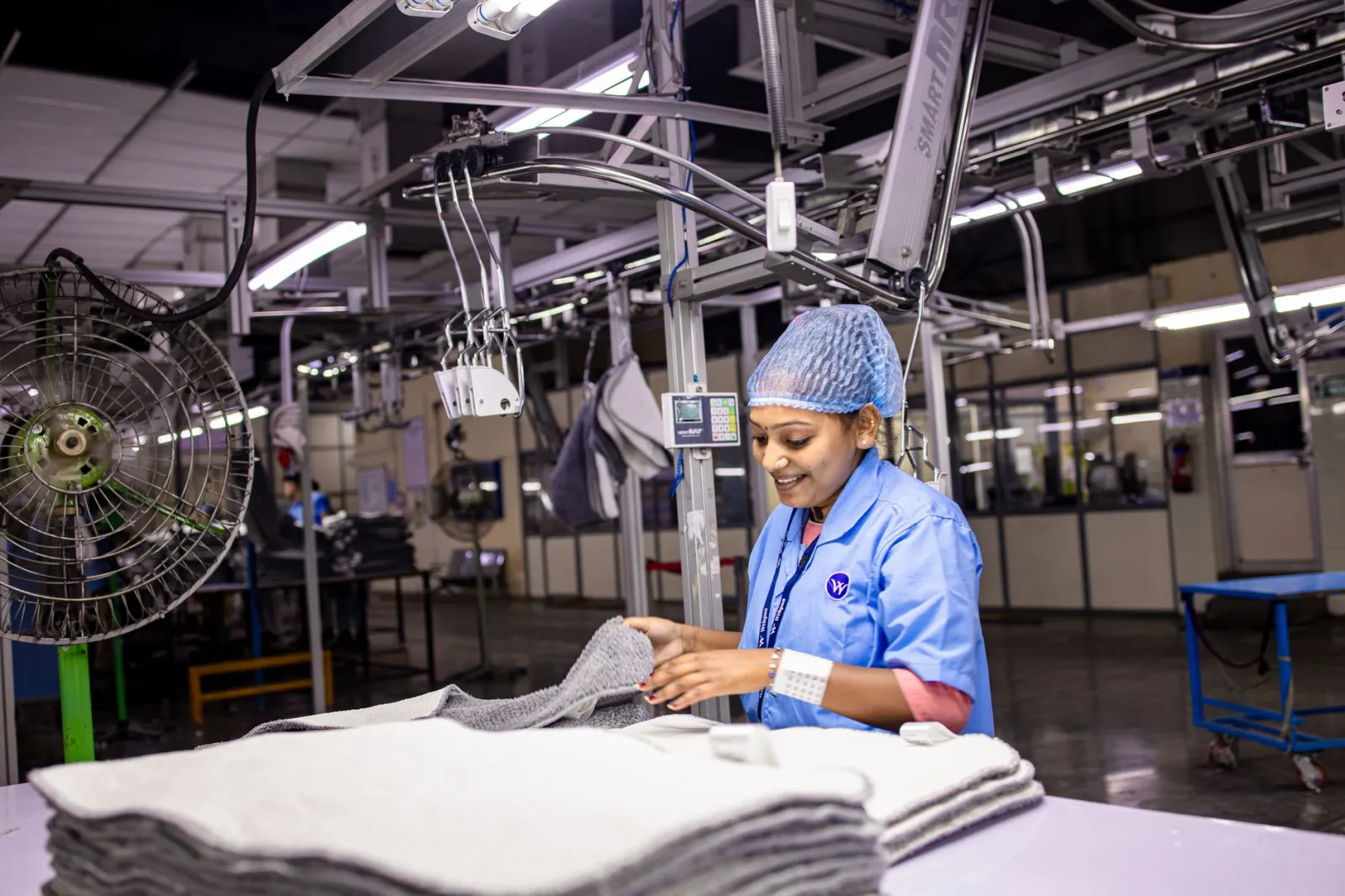
How to Spot Hidden Fabric Production Costs Your ERP Ignores
Your ERP may show material and labour costs, but it misses the hidden expenses that eat margins: energy spikes, machine...
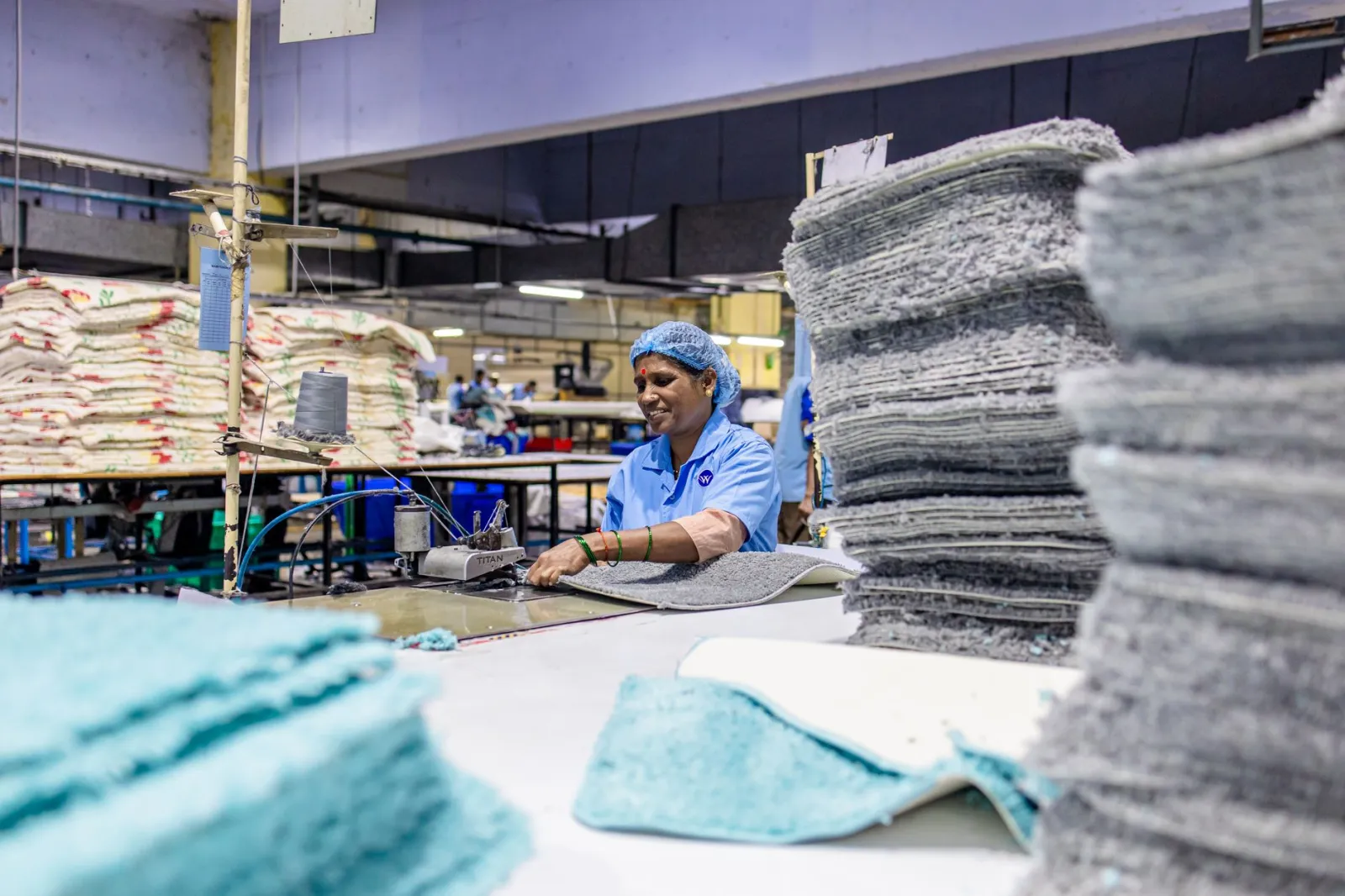
ERP Labor Cost Allocation in Piece-Rate Factories: Avoiding Hidden Errors
Piece-rate payroll in manufacturing is riddled with hidden errors—some only show up months later. ERP systems like Facte...
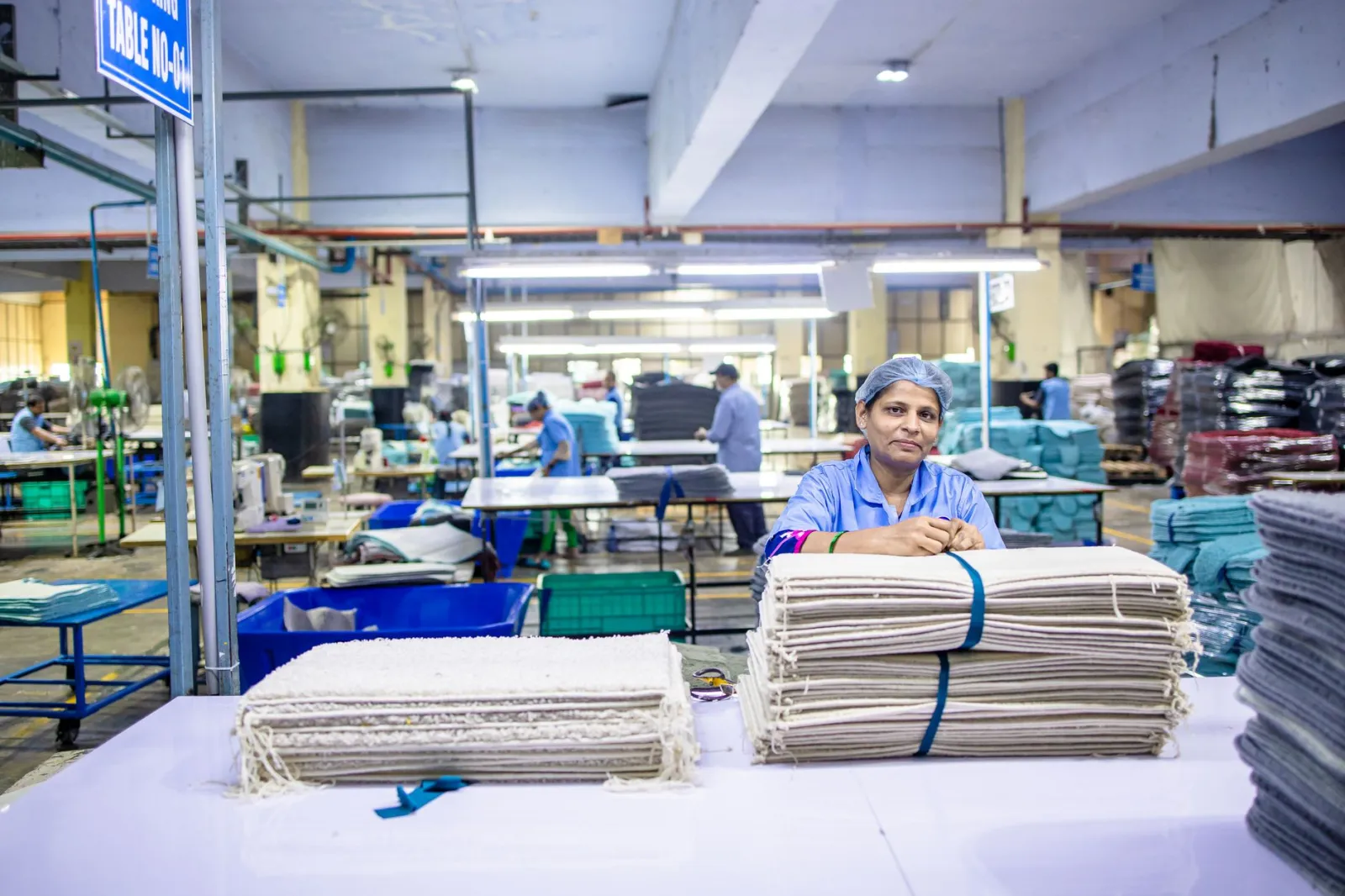
How to Allocate Fabric Scrap Revenue Correctly in ERP
Allocate fabric scrap revenue accurately to production lines in ERP to avoid accounting errors and improve cost tracking...
Other industries