
Operations module
Inventory & Stores
Yarn, chemicals, dyes, grey, work in progress, finished goods and spares each live in their own store, and every movement writes a single line into one stock ledger you can audit.
What it does
Built around how the work actually happens
- Multi-store, multi-rack and batch-wise balances valued at moving cost
- Issues, receipts, transfers, adjustments and opening stock as posted documents
- Item ledger that reconciles quantity and value movement by movement
- Reorder levels, slow movers and ageing so working capital stays visible
- Gate passes for inward, outward and returnable movements
What the daily routine used to look like
At 6:30 each morning the stores clerk arrives to find three clipboards hanging on the wire mesh gate. One is for yarn receipts from the spinning mill, another for grey fabric coming off the looms, and the third for finished goods ready to ship. She copies the previous day’s closing balances onto a fresh sheet, then walks the racks with a clipboard and pen, ticking off what she sees. If a dye lot is missing, she phones the dye-house supervisor; if a pallet of bleached towels is short, she calls the packing line. By 8:30 she has a handwritten tally that she transcribes into a shared spreadsheet. The production manager and accountant each keep their own copy, so by mid-morning there are three versions of the same numbers.
The afternoon is spent chasing signatures. A weaver needs 20 cones of 20/2 yarn; the clerk writes the issue on a triplicate form, has the weaver sign, then the shift supervisor, then the production manager. One copy stays in the stores file, one goes to accounts, and the third travels with the yarn to the loom. If the loom breaks down and the cones are returned, the clerk writes a credit note by hand and the whole cycle repeats. At month-end she spends two days reconciling the spreadsheets with the physical count; discrepancies are written off on a scrap sheet that the accountant later keys into the general ledger.
How a document moves through the system
Material Issue
The loom supervisor opens the Material Issue screen on his tablet. He selects the loom number, the job card, and the yarn item code. The system shows the current rack balance and the quantity reserved for that job. He enters the actual cones issued, taps “Save as Draft”, and the document sits in the stores queue. The stores clerk reviews it, confirms the physical stock, and posts it. Posting reduces the yarn store balance, increases the work-in-progress store balance, and writes one line into the stock ledger: date, item, quantity, cost, and the job card reference. The same line appears in the general ledger as a debit to WIP and a credit to raw materials.
Material Receipt
The dye-house foreman receives a batch of grey fabric. He scans the job card barcode, which opens a Material Receipt form pre-filled with the expected quantity and item code. He enters the actual metres received, any yield loss, and the dye lot number. The form is saved as draft and sent to the quality lab. The lab technician inspects the fabric, records the shade pass/fail, and approves the draft. The stores clerk posts it, which increases the dyed-fabric store balance and writes a single line into the stock ledger. The cost is calculated as the grey fabric cost plus the dye and labour costs already captured on the job card.
Stock Transfer
A pallet of finished towels is moved from the packing store to the finished-goods store. The packing supervisor raises a Stock Transfer document, selecting the source and destination stores, the pallet number, and the quantity. The document is saved as draft and sent to the finished-goods store clerk. She scans the pallet barcode, confirms the quantity, and posts the transfer. The system reduces the packing store balance, increases the finished-goods store balance, and writes one line into the stock ledger with the same cost but different store codes. No general-ledger entry is created because the value has not left the company.
Stock Adjustment
During the monthly stock count, the stores clerk finds two missing cones of yarn. She raises a Stock Adjustment document, selecting the item, the rack, and the quantity short. The document is saved as draft and sent to the production manager for approval. He reviews the CCTV footage, confirms the loss, and approves the draft. The clerk posts it, which reduces the yarn store balance and writes a single line into the stock ledger. The cost of the missing cones is posted to a scrap expense account in the general ledger.
Gate Pass
A truck arrives to collect 50 cartons of finished towels. The finished-goods clerk raises a Gate Pass, selecting the customer order, the cartons, and the truck number. The document is saved as draft and sent to the security guard. The guard scans the cartons, confirms the quantity, and posts the pass. Posting reduces the finished-goods store balance, writes a line into the stock ledger, and creates an accounts-receivable entry for the invoice value. The same pass can be used for returnable items such as pallets or dye drums; in that case the system keeps the stock in a separate “returnable” store and does not create a general-ledger entry until the items are actually returned or written off.
The reports and the decisions they support
| Report | What it shows | Decision it supports |
|---|---|---|
| Stock Balance | Current quantity and moving cost for every item, store, rack, and batch. | Daily production planning: which looms can run which designs without waiting for yarn. Also used for month-end reconciliation with the general ledger. |
| Item Ledger | Every stock movement for a single item, showing date, document type, quantity in/out, balance, and cost. | Traceability: when a customer complains about a shade, the ledger shows which dye lot was used and which grey fabric batch it came from. Also used to audit slow-moving or obsolete stock. |
| Stock Ageing | Items grouped by how long they have been in stock: 0–30 days, 31–60 days, 61–90 days, over 90 days. | Working-capital management: items over 90 days are reviewed for write-off or discount sale. The report also highlights slow-moving yarn that may need to be re-dyed or sold as seconds. |
| Reorder Level Report | Items whose current balance is at or below the reorder level, with supplier lead time and last purchase price. | Purchase planning: which items to order today to avoid stock-outs. The report can be filtered by store, so the dye-house buyer sees only chemicals and the weaving buyer sees only yarn. |
| Slow Movers | Items that have not moved in the last 30 days, ranked by value. | Inventory reduction: the list is reviewed weekly to decide whether to run a promotion, re-dye the yarn, or scrap the stock. |
| Gate Pass Register | All gate passes issued in a date range, showing document number, truck number, items, and status (open/closed). | Security and dispatch control: open passes are followed up to ensure trucks have left the premises. Also used to reconcile physical dispatches with the sales ledger. |
What usually goes wrong without it
Negative stock is the first sign. A loom supervisor issues 20 cones of yarn, but the stores clerk’s spreadsheet shows only 18. She lets it go, and the next shift issues another 10 against the same balance. By month-end the spreadsheet shows minus 12 cones, so the accountant adjusts the general ledger to match, hiding the real loss. No one knows which loom used the extra yarn, so no one can investigate whether it was stolen, miscounted, or wasted.
Parallel records multiply. The dye-house keeps its own dye-stock spreadsheet because the stores clerk’s version is always a day behind. The maintenance department tracks spares on a whiteboard. When the accountant closes the month, she has to consolidate three sets of numbers, and the differences are written off as “stock variance”. Over a year these variances add up to enough yarn to run an extra loom for a month.
Reconciliation becomes a month-end ritual. The stores clerk spends two days counting every rack, the accountant spends another day matching the count to the general ledger, and the production manager spends a day explaining why the grey-fabric store is short. The write-offs are posted, the ledger is closed, and the cycle starts again. No one has time to ask why the same items are always short.
Working capital is invisible. The reorder level for a dye is set at 50 kg, but no one knows how much is actually in stock because the last count was three weeks ago. The buyer orders another 200 kg, and the dye sits on the shelf for six months. Meanwhile, a loom stops because the yarn store shows zero balance, but the physical rack still has 12 cones that were never recorded. The plant pays overtime to unload a rush delivery of yarn that was already in the building.
Traceability is lost. A customer returns a batch of towels because the shade is wrong. The stores clerk checks the records and finds that the dye lot was used on three different grey-fabric batches. She has to walk the racks, read the batch numbers on every pallet, and hope the labels haven’t faded. By the time she finds the matching pallet, the customer has cancelled the order.
Gate passes are paper and unenforced. A truck leaves with 50 cartons of towels, but the gate pass is unsigned. The security guard lets it go because the driver says the clerk is on leave. The cartons are never invoiced, and the finished-goods store shows 50 cartons that no longer exist. The accountant discovers the gap when the customer pays for only 40 cartons, and the missing 10 are written off as “dispatch error”.
Questions about Inventory & Stores
Can the system handle multiple units of measure for the same item?
Yes. Yarn can be issued in cones but received in kilograms; fabric can be issued in metres but received in kilograms. The system converts between units using a fixed conversion factor that you set per item. Every stock movement and report shows both units.
What happens if a document is posted with the wrong quantity?
The system does not allow deletion of posted documents. Instead, you raise a reversal document of the same type. The reversal posts a negative quantity, cancelling the original entry in the stock ledger and the general ledger. The audit trail shows both documents and the user who posted each.
Can we set different reorder levels for different stores?
Yes. Each store can have its own reorder level and minimum order quantity for the same item. The Reorder Level Report filters by store, so the dye-house buyer sees only the chemicals store and the weaving buyer sees only the yarn store.
Does the system track expiry dates for chemicals?
No. For expiry tracking you need a separate shelf-life module. The Inventory & Stores module records batch numbers and dates, but it does not block issues of expired stock or generate alerts. If expiry control is critical, you will need additional software or manual checks.
Works with
Modules that share this data
Reading
Notes from the field

How to Spot Hidden Fabric Production Costs Your ERP Ignores
Your ERP may show material and labour costs, but it misses the hidden expenses that eat margins: energy spikes, machine...
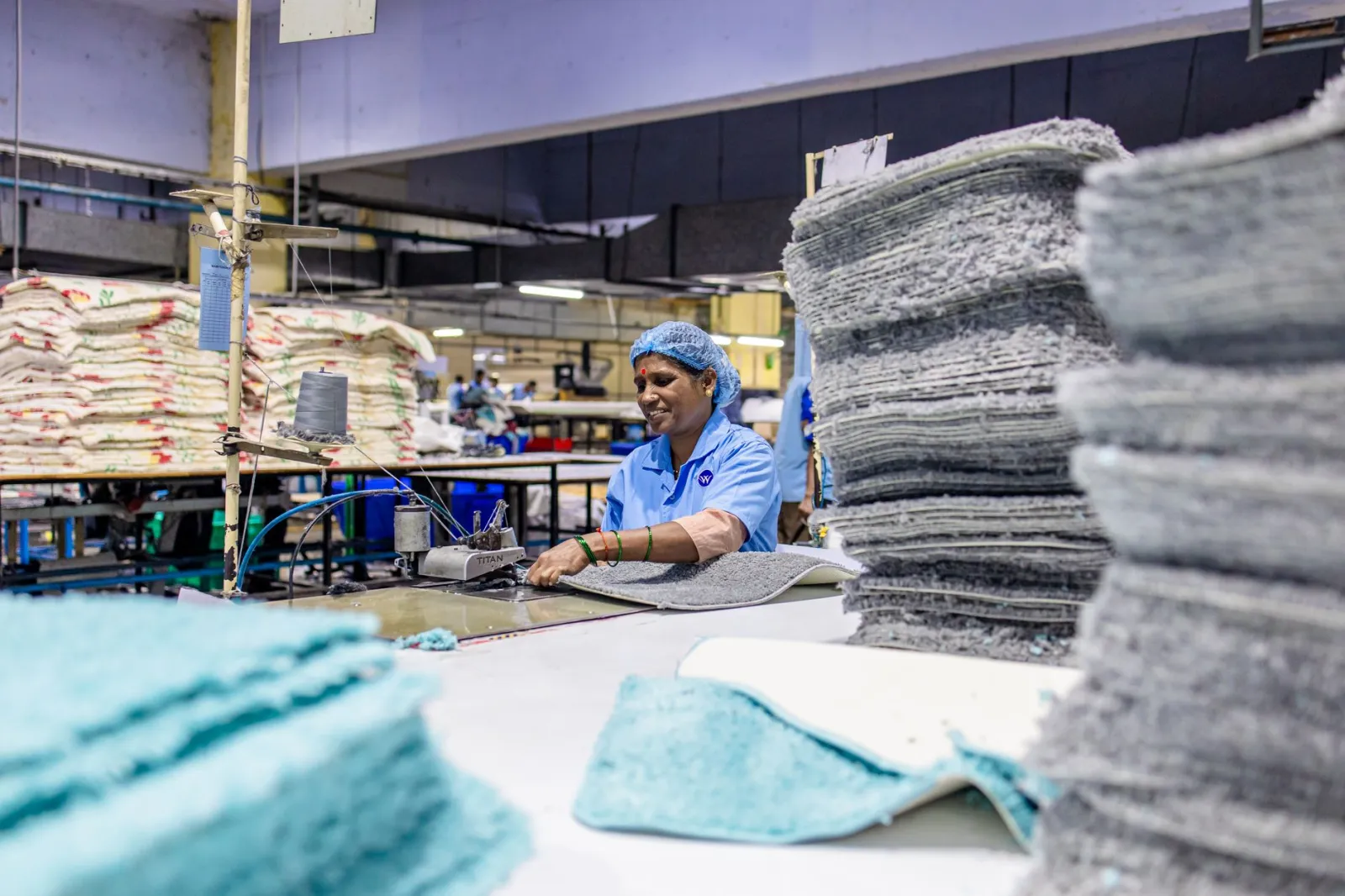
ERP Labor Cost Allocation in Piece-Rate Factories: Avoiding Hidden Errors
Piece-rate payroll in manufacturing is riddled with hidden errors—some only show up months later. ERP systems like Facte...
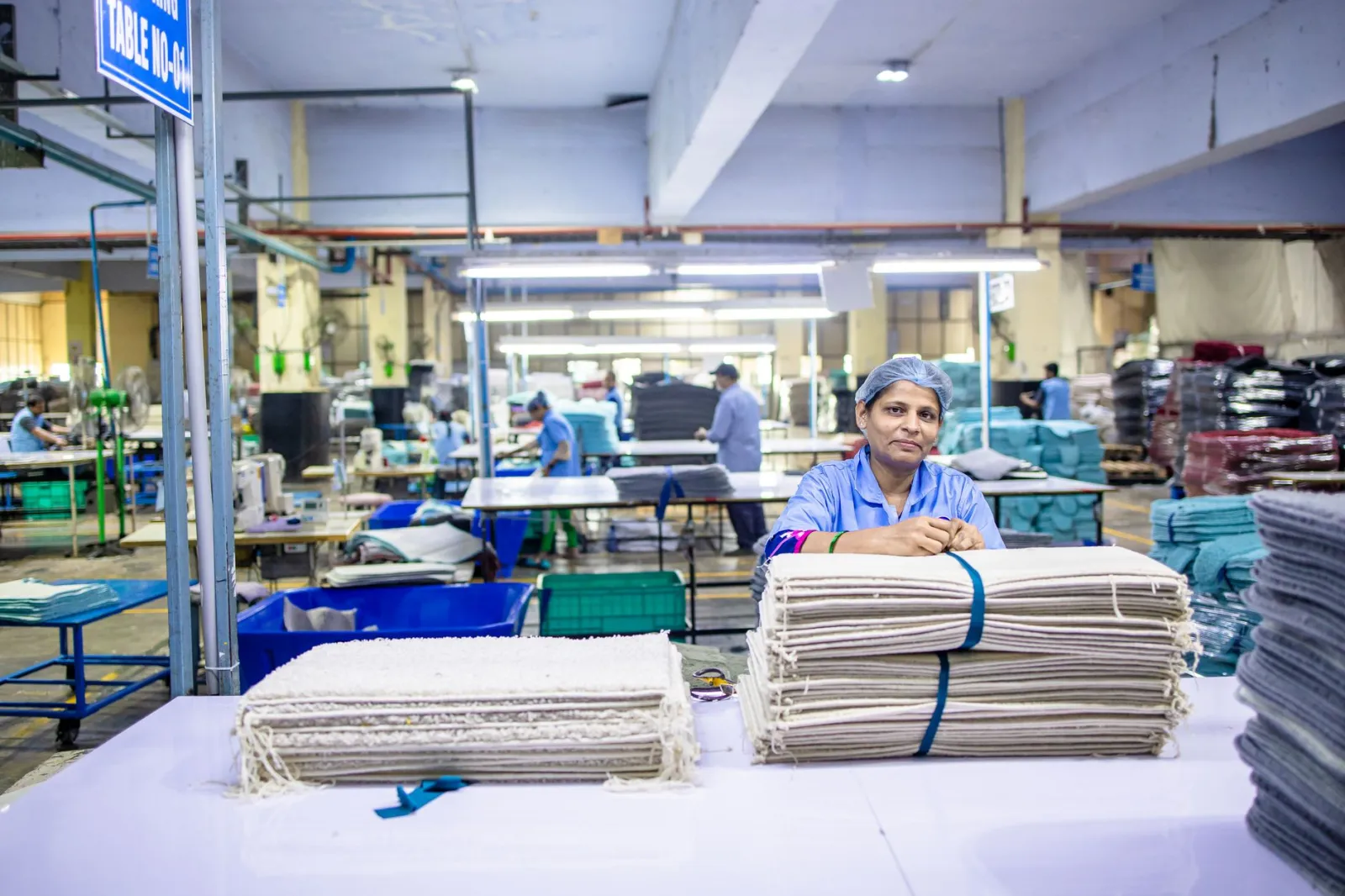
How to Allocate Fabric Scrap Revenue Correctly in ERP
Allocate fabric scrap revenue accurately to production lines in ERP to avoid accounting errors and improve cost tracking...