
Finance module
Reports & Exports
The reports a factory actually asks for on Monday morning: production register, dye batch register, order status, stock balance, item ledger, costing, defect analysis, ledgers and ageing.
What it does
Built around how the work actually happens
- Filter by date, store, buyer, article, machine, shift or department
- Drill from a summary line to the document behind it
- Export to Excel and PDF for buyers and auditors
- Printable formats for gate, store and dispatch
- Scheduled email of the reports that matter to owners
What happens every morning without it
The shift ends at 6 a.m. The grey-store clerk arrives at 7:30, unlocks the steel cabinet and pulls out a stack of hand-written gate passes. She copies the weights and piece counts into a spiral-bound register, then walks the figures to the office. The production manager arrives at 8:00, finds the previous day’s loom cards in a cardboard tray, and starts a fresh Excel sheet. He types the loom number, article code, metres run, and stoppage minutes for each of the 48 machines. By 9:15 the sheet is printed and pinned to the notice board; the actual figures are already two hours old.
The dye-house foreman does the same with dye cards, but he also has to reconcile the chemical usage against the stock cards kept in a shoe-box. If the stock card shows 20 kg of Procion Blue left and the dye card says 25 kg were used, he rings the store and asks for a recount. The recount takes another hour, during which the next batch is already on the jet.
At 10:00 the accountant arrives. She opens the previous day’s Excel files, copies the production and dye figures into a master workbook, and runs a macro that updates the order status. The macro breaks if someone has added a column; she spends 45 minutes debugging it. By 11:00 she has a print-out of open orders, but the stock figures are still yesterday’s because the grey-store clerk has not yet finished the gate-pass reconciliation.
Meanwhile, the owner rings from the road. He wants the previous day’s production, the current stock of Article 402, and the ageing of the 60-count yarn. The production manager reads the Excel sheet over the phone; the stock figure is guessed; the yarn ageing is in a different workbook that no one has updated since Friday.
How a document moves through the system
Who raises it
- Gate pass: raised by the store clerk when grey fabric leaves the loom shed. She scans the QR code on the loom card, enters the weight and piece count, and saves. The system posts the fabric to grey stock and reduces the WIP balance on the loom.
- Dye card: raised by the dye-house operator when a batch is unloaded. He selects the recipe, enters the actual chemical weights, and confirms the yield. The system posts the dyed fabric to finished stock, reduces the grey stock, and updates the chemical ledger.
- Dispatch note: raised by the dispatch clerk when goods leave the factory. She selects the buyer and order, enters the carton numbers, and saves. The system reduces finished stock, posts the sale to the ledger, and marks the order lines as shipped.
- Defect card: raised by the quality inspector on the folding table. She scans the piece, selects the defect code, and enters the severity. The system logs the defect against the loom and batch, and adjusts the first-quality yield.
Who posts it
- The store clerk, dye operator, dispatch clerk, and quality inspector all have permission to save their own documents. Once saved, the document is visible to the next department but not yet posted to stock or ledger.
- The production manager reviews the day’s documents at 8:30 each morning. He filters the list by status, checks for missing weights or chemical variances, and clicks “Post All”. The system updates stock, WIP, and ledger in a single transaction. If a document is incorrect, he can un-post it, correct the figures, and re-post without affecting other documents.
What it affects
- Stock: every post reduces one stock account and increases another. Grey fabric moves from loom WIP to grey stock; dyed fabric moves from grey stock to finished stock; dispatched fabric moves from finished stock to cost of sales.
- Ledger: the same transaction posts the value. The system uses the standard cost for the article, so the ledger always matches the physical stock. Chemical usage is posted to the raw-material account; labour and overhead are posted to the WIP account when the loom card is closed.
- Order status: each dispatch note reduces the open quantity on the order. The system recalculates the expected delivery date and flags late orders in red.
- Defect analysis: every defect card updates the yield percentage for the loom and the batch. The system keeps a rolling 30-day average, so the production manager can see which looms are drifting.
The reports and the decisions they support
| Report | Who uses it | Decision it supports |
|---|---|---|
| Production Register | Production manager, owner | Which looms ran below target; which shifts had the most stoppages; whether the night shift is consistently slower. |
| Order Status | Sales manager, owner | Which orders are late; which buyers are at risk of cancellation; whether to accept a new order for the same article. |
| Stock Balance | Store clerk, dye-house foreman | How much grey fabric is available for dyeing; whether to start a new loom run for Article 402. |
| Item Ledger | Accountant, auditor | Trace a single piece from loom to dispatch; reconcile physical stock with the ledger; identify shrinkage. |
| Costing | Owner, accountant | Compare standard cost with actual cost for each article; decide whether to re-negotiate the selling price. |
| Defect Analysis | Quality manager, loom technician | Which looms need maintenance; which operators need retraining; whether a batch should be re-dyed. |
| Ledgers & Ageing | Accountant, owner | Which buyers are overdue; which raw materials are slow-moving; whether to write off obsolete stock. |
What goes wrong without it
Figures are always late. The production manager sees yesterday’s numbers at 11 a.m., by which time the next shift has already started. The dye-house foreman guesses the chemical stock; if he guesses wrong, the batch is off-shade and must be re-dyed. The accountant spends half the morning reconciling Excel sheets; if she misses a formula error, the ledger does not match the stock, and the auditor flags it.
Stock records are never up to date. The grey-store clerk reconciles the gate passes once a week, so the dye-house foreman does not know how much fabric is actually available. He starts a batch, only to find that the grey fabric is still on the loom. The batch sits on the jet for two hours, consuming steam and labour, while the loom finishes.
Orders are shipped from memory. The dispatch clerk looks at the order book and picks the oldest order. If the buyer has changed the delivery date, she does not know; the goods go out late, and the buyer cancels the next order. The owner only finds out when the buyer rings to complain.
Defects are logged on paper. The quality inspector writes the defect code on the piece ticket. At the end of the week, the tickets are bundled and sent to the office. The production manager types them into Excel, but by then the loom has already produced another 5,000 metres of the same defect. The cost of re-dyeing or downgrading is never traced back to the loom or the operator.
Chemical usage is not tracked. The dye-house foreman signs for 20 kg of Procion Blue, but the store clerk does not record which batch it went into. If the shade is off, no one can prove whether the recipe was wrong or the chemical was short. The supplier refuses to credit the material, and the factory absorbs the loss.
Ledger entries are manual. The accountant posts the production and dye figures at the end of the month. If she transposes a digit, the ledger shows the wrong stock value. The owner sees a profit on paper, but the bank balance does not match, and the auditor requires a restatement.
Scheduled reports are emailed as PDFs. Without automation, the owner must ring the office every morning for the previous day’s figures. If he is travelling, he does not get the report until he returns. The production manager prints the same report and pins it to the notice board, but the figures are already stale by the time the shift starts.
Questions about Reports & Exports
Can I add my own reports?
The module includes the twenty-five reports listed. If you need a report that is not in the list, you can export the data to Excel and build the report there. There is no report-writer licence to buy.
What happens if the power fails while a document is being posted?
The system saves the document before it updates the stock and ledger. If the power fails, the document remains in the review list and can be posted again when the power returns. No stock or ledger entries are made until the document is explicitly posted.
Can I see who changed a document after it was posted?
Yes. Every document keeps an audit trail of who created it, who posted it, and who made any subsequent changes. The trail is visible on the document itself and in the Item Ledger report.
Do I have to post every document individually?
No. The production manager can filter the list by status and post all documents for the day in a single click. If a document is incorrect, he can un-post it, correct the figures, and re-post without affecting other documents.
Works with
Modules that share this data
Reading
Notes from the field

How to Spot Hidden Fabric Production Costs Your ERP Ignores
Your ERP may show material and labour costs, but it misses the hidden expenses that eat margins: energy spikes, machine...
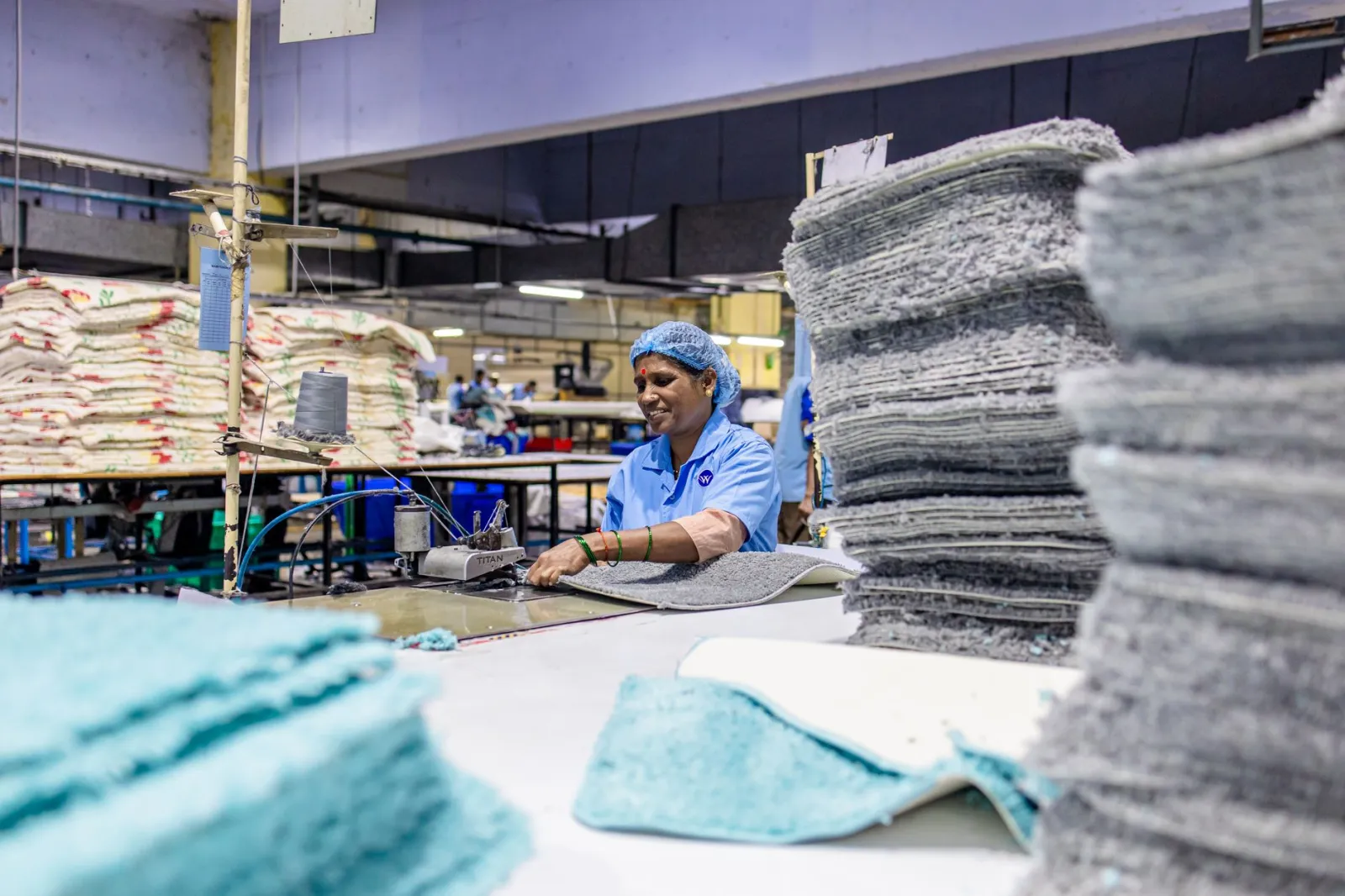
ERP Labor Cost Allocation in Piece-Rate Factories: Avoiding Hidden Errors
Piece-rate payroll in manufacturing is riddled with hidden errors—some only show up months later. ERP systems like Facte...
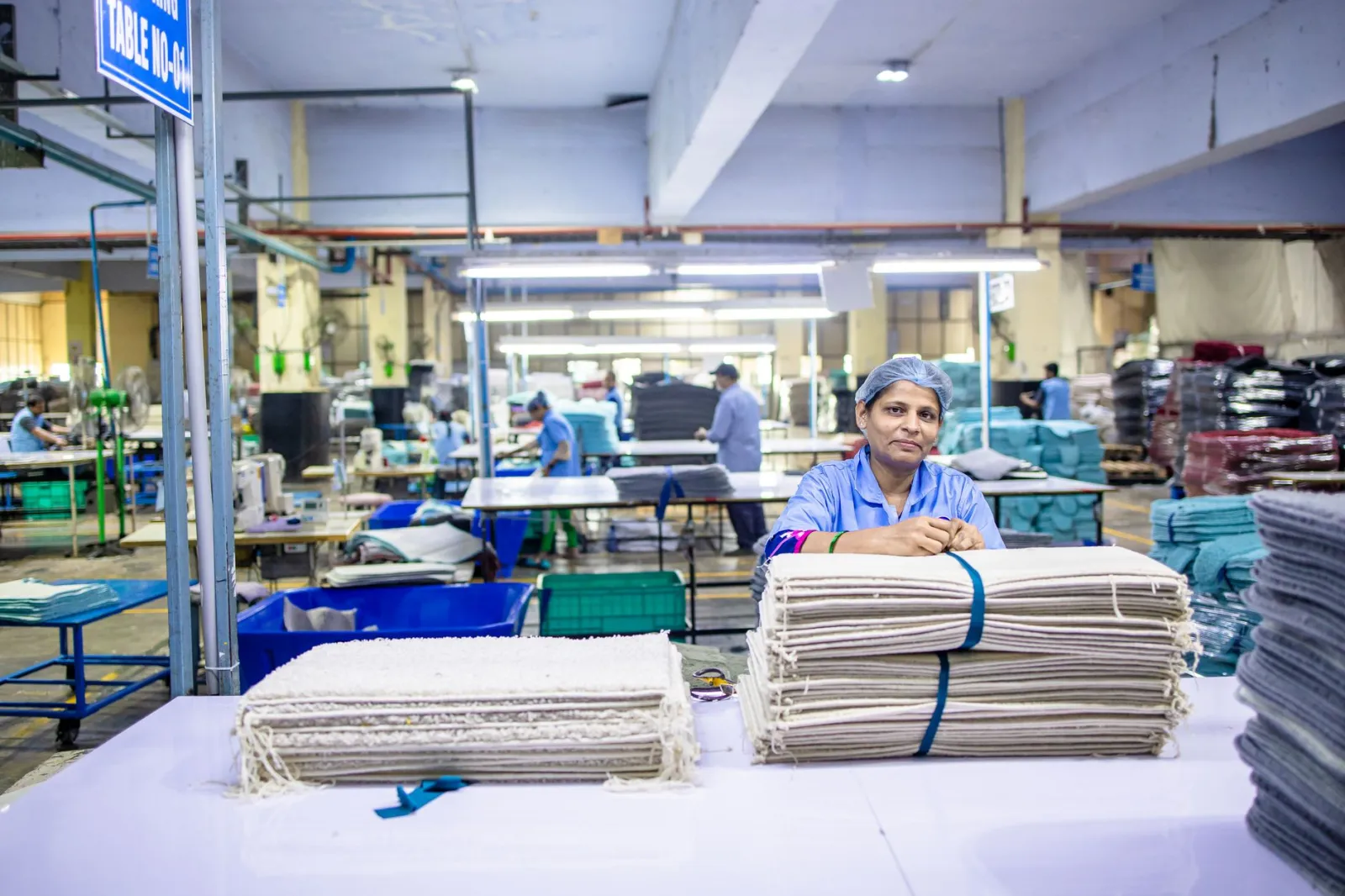
How to Allocate Fabric Scrap Revenue Correctly in ERP
Allocate fabric scrap revenue accurately to production lines in ERP to avoid accounting errors and improve cost tracking...