
Industry fit
ERP for Textile & Towel Manufacturing
Yarn to packed carton: looms, dyehouse, finishing, stitching and packing with batch-level costing.
What we usually find
The problems that bring plants to us
- Yarn issued without a recipe, so consumption is argued about at month end
- Grey and finished stock tracked in separate books
- Dyeing costs unknown per batch
- Order status only known by walking the floor
After go-live
What changes
- Cost per piece and per kilo from actual issues
- One stock ledger from yarn store to finished goods
- Loom, shift and operator-wise output
- 4-point inspection scores per batch
How the work flows, stage by stage
The plant starts with yarn cones in the grey store. A Material Requisition pulls the cones to the warping creel, where a Warping Sheet records the number of ends, length and weight. The beam moves to the sizing machine; a Sizing Report logs the mix, viscosity and add-on percentage. Sized beams are issued to the loom shed on a Loom Card that stays with the machine until the beam is doffed. Each doff generates a Weaving Output Sheet per shift, per loom, with metre count, picks and stoppages.
Grey fabric moves to the dyehouse on a Dyeing Job Order that carries the recipe, liquor ratio and shade standard. The dyeing machine operator records actual chemicals, water, steam and time on a Dyeing Process Sheet. After hydro-extraction and drying, the batch is weighed and a Dyeing Output Note is raised. The batch then enters finishing: stentering, brushing, shearing and calendering are recorded on a Finishing Route Card that travels with the trolley. Stitching lines receive cut panels on a Stitching Order; each line’s output is tallied on a Stitching Daily Sheet per operator. Finally, packed cartons are weighed, labelled and moved to the finished-goods store on a Packing Slip that becomes the invoice backing.
The batch problem: grey and finished stock in separate books
In most plants, the grey store and the finished-goods store are run on parallel spreadsheets or even separate software. When a dyeing batch is issued, the grey stock is reduced but the finished stock is not increased until days later, after finishing and packing. This creates a black hole: the physical stock is somewhere on the floor, but the books show neither the grey nor the finished quantity. Month-end reconciliation becomes a guessing game of what is still in process, what is lost and what is already packed but not yet invoiced.
Recording every movement in one stock ledger removes the black hole. The moment a dyeing batch is issued, the grey stock is reduced and a Work-in-Progress (WIP) batch is created. When the batch exits finishing, the WIP batch is closed and the finished stock is increased. The ledger now shows exactly where every kilo is: on the cone, on the beam, in the dyeing machine, on the finishing trolley or in the carton. Physical stock-takes become faster and variances are traced to a specific process, not to a vague “dyehouse shrinkage”.
Costing: from actual issues to cost per piece and per kilo
Textile costing is built from three layers: material, wages and overheads. Material cost starts with the yarn issued to the beam, plus sizing chemicals, dyes and finishing auxiliaries. Wages include loom operators, dyeing labour, stitching piece rates and packing staff. Overheads cover steam, electricity, machine depreciation and factory rent, allocated by machine-hour or direct labour-hour.
Below is a worked illustration for a 500 kg batch of 500 gsm terry towel that yields 480 kg after dyeing and finishing. The numbers are rounded for clarity.
| Cost element | Quantity | Rate | Amount (£) |
|---|---|---|---|
| Yarn (40s combed cotton) | 520 kg | £2.80/kg | 1,456 |
| Dyes & chemicals | 60 kg | £3.20/kg | 192 |
| Sizing mix | 12 kg | £1.50/kg | 18 |
| Loom wages (3 shifts) | 120 hours | £12/hour | 1,440 |
| Dyeing wages | 16 hours | £10/hour | 160 |
| Finishing wages | 24 hours | £9/hour | 216 |
| Stitching (piece rate) | 2,400 pieces | £0.15/piece | 360 |
| Steam & electricity | 200 machine-hours | £1.80/hour | 360 |
| Depreciation & rent | 200 machine-hours | £1.20/hour | 240 |
| Total cost | 4,442 | ||
| Yield (finished kg) | 480 kg | £9.25/kg | |
| Pieces (2,400) | £1.85/piece |
Controls that matter: approvals, roles and traceability
In textile plants, approvals are needed at three pinch points: material issue above a set value, recipe changes and quality rejections. A Dynamic Approvals matrix lets the owner decide which documents need sign-off, at how many levels and by which role. For example, a yarn issue above £5,000 may require the store manager and the production head; a dye recipe change needs the lab chemist and the dyehouse manager. Once approved, the document is locked; any edit creates a new version with a fresh audit trail.
Roles are granular: the loom shed supervisor can see weaving output but not dye recipes; the dyehouse manager can see dyeing costs but not HR records. Rights are enforced in the API, so even if a user finds a back-door URL, the system will block the action. Every login, edit and approval is logged with timestamp, user, device and IP address. If a batch fails final inspection, the system can trace every cone, every chemical and every operator back to the original purchase order or attendance sheet.
Rollout: what to touch first, what can wait
Most plants start with Inventory & Stores and Production & Planning. These two modules give the quickest visibility: one stock ledger from yarn to carton, and real output per loom and per shift. Next comes Quality Control to capture 4-point scores and defect codes. Product Costing follows once the material and labour data is clean. Sales & Order Book and Purchase & Suppliers are usually added in the second phase, once the shop-floor data is trusted. HR & Payroll and Finance & Accounts are often left until last because they depend on accurate attendance and cost data from the earlier modules.
Custom reports—such as loom efficiency by shift, dyeing cost by shade, or stitching rejection by operator—can be built after the core data is flowing. These reports are usually done in-house using the built-in report writer, so no extra licence is needed.
Where the system would need custom work for this industry
Terry towel plants often run multiple widths on the same loom, or switch between towel and bathrobe production. The standard route card assumes one product per machine; if the plant frequently changes width or product type mid-beam, the route card and costing logic will need adjustment. Similarly, some plants use a “trolley system” in finishing where multiple batches share the same trolley; the system would need a way to track partial trolley movements. Finally, piece-rate stitching operators sometimes work on multiple orders in the same shift; the Stitching Daily Sheet would need to split time and output by order number.
Modules that carry the weight
Where the value sits for Textile & Towel Manufacturing
Inventory & Stores
One stock ledger for every store, batch and rack — no negative stock, no parallel spreadsheets.
Production & Planning
Route every order through the plant — weaving, dyeing, finishing, stitching, packing — with real out...
Quality Control
Incoming, in-process and final inspections with defect capture and a 4-point score.
Product Costing
Cost per piece and per kilo built from actual material, wages, utilities and overheads.
Questions from this industry
What buyers in Textile & Towel Manufacturing ask first
How does the system handle shade variation in dyeing?
The system records the actual dye recipe, water ratio and process time for every batch. If a shade fails, the Dyeing Process Sheet shows exactly what was used, so the lab can adjust the next batch. The 4-point inspection score is linked to the batch, so rejected shades are flagged before they reach finishing.
Can we track loom efficiency by shift and by operator?
Yes. The Weaving Output Sheet captures metre count, picks, stoppages and operator name per shift. A built-in report shows efficiency (actual metres vs. theoretical) by loom, by shift and by operator. The report can be filtered by date, loom type or product code.
How do we reconcile grey stock and finished stock at month end?
The system maintains one stock ledger. When a dyeing batch is issued, the grey stock is reduced and a WIP batch is created. When the batch exits finishing, the WIP batch is closed and the finished stock is increased. The ledger always shows where every kilo is, so there is no need for parallel spreadsheets.
Can the system handle piece-rate stitching operators who work on multiple orders?
The standard Stitching Daily Sheet assumes one order per operator per shift. If operators work on multiple orders, the sheet would need to be customised to split output by order number. This is usually done after the core data is flowing, using the built-in report writer.
How do we know who changed a dye recipe or approved a material issue?
Every edit and approval is logged with timestamp, user, device and IP address. The Activity Tracking & Session Replay module shows who logged in, what they did and how long they spent on each screen. If a recipe is changed, the system records the old and new values, who made the change and when.
Reading
Notes that apply here
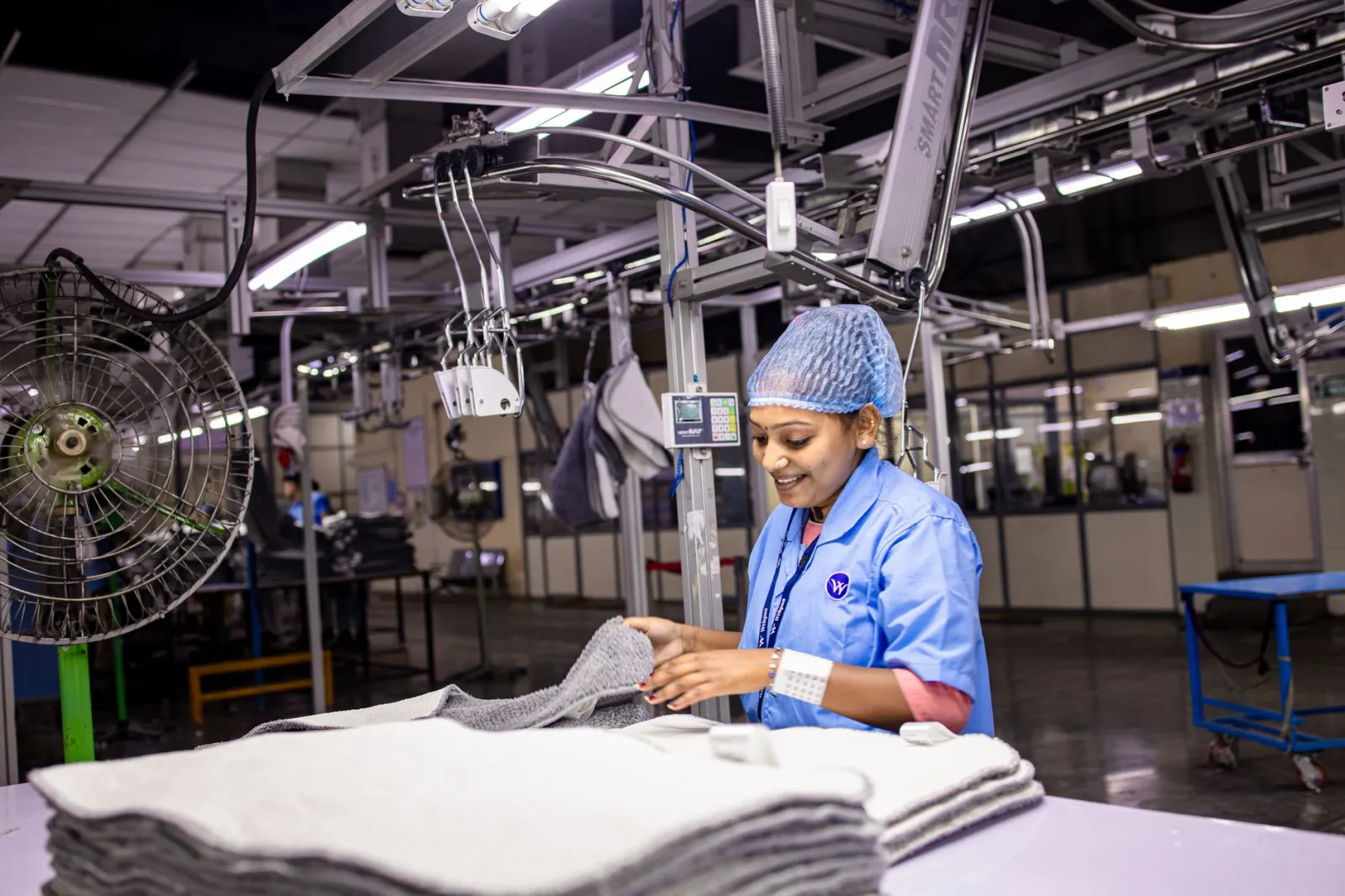
How to Spot Hidden Fabric Production Costs Your ERP Ignores
Your ERP may show material and labour costs, but it misses the hidden expenses that eat margins: energy spikes, machine...
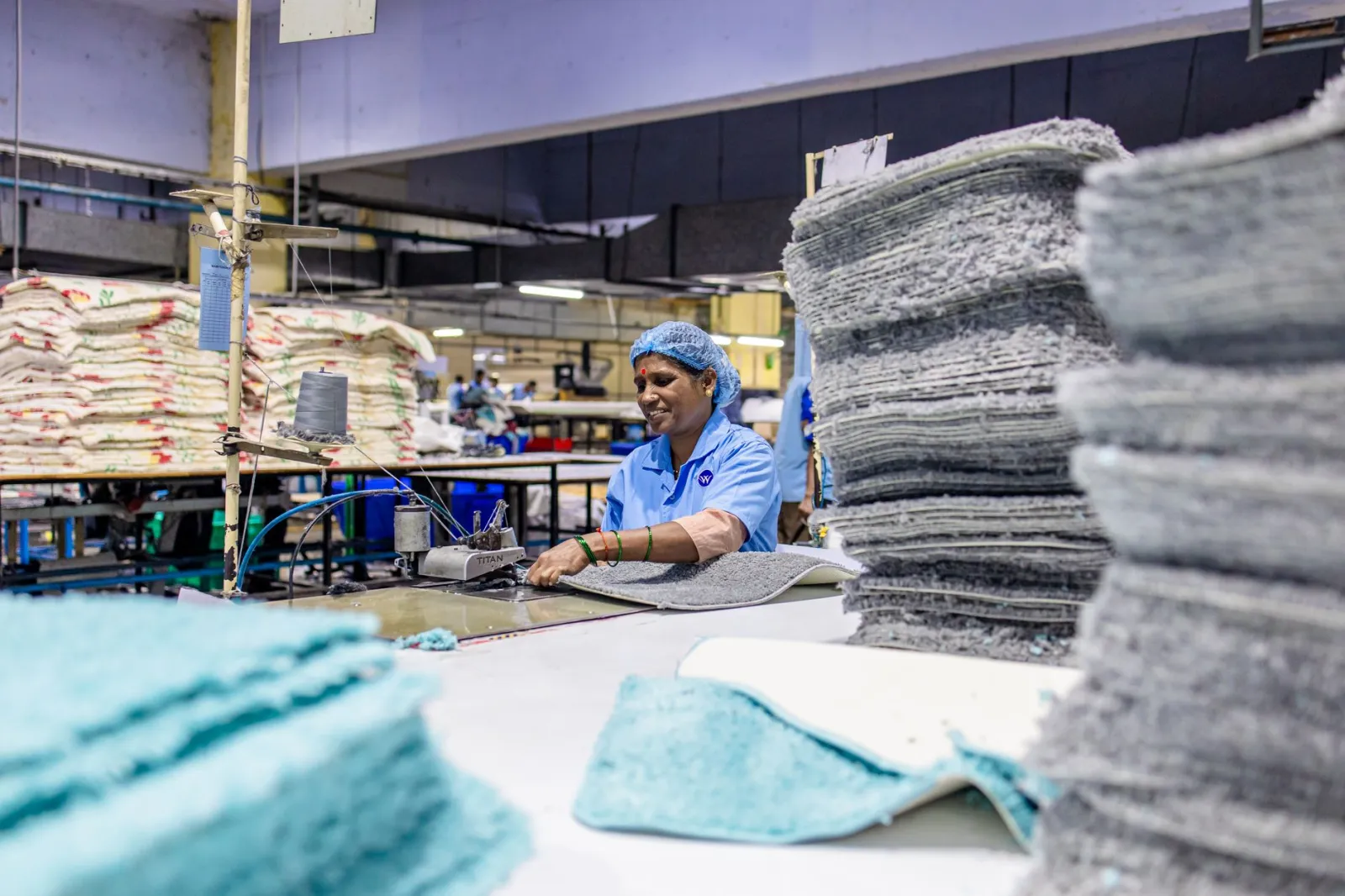
ERP Labor Cost Allocation in Piece-Rate Factories: Avoiding Hidden Errors
Piece-rate payroll in manufacturing is riddled with hidden errors—some only show up months later. ERP systems like Facte...
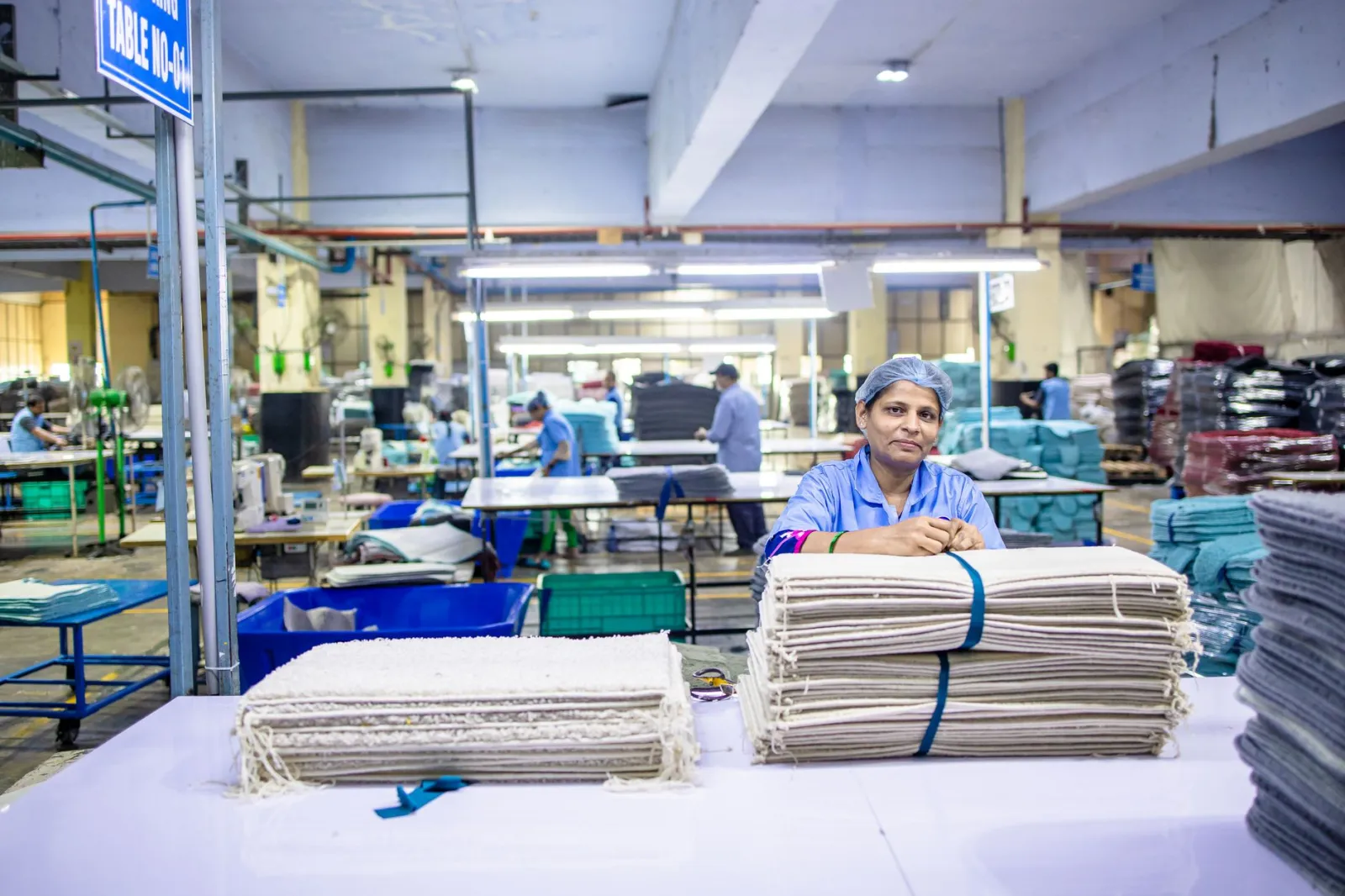
How to Allocate Fabric Scrap Revenue Correctly in ERP
Allocate fabric scrap revenue accurately to production lines in ERP to avoid accounting errors and improve cost tracking...
Other industries