
Industry fit
ERP for Food & Beverage
Recipe control, batch traceability, shelf-life and wastage with full lot recall.
What we usually find
The problems that bring plants to us
- No forward or backward traceability from a batch
- Shelf life managed manually
- Yield loss invisible until the P&L
After go-live
What changes
- Lot-level traceability both ways
- Expiry and FEFO issue rules
- Batch yield and wastage reporting
How the work flows, stage by stage
A food or beverage plant starts with a purchase order for raw materials—flour, sugar, oils, additives, packaging. The Purchase & Suppliers module captures the requisition, supplier quote, GRN (Goods Received Note), and incoming QC. Each delivery is logged with a batch number, expiry date, and 4-point inspection score. If the score fails, the system blocks the batch from inventory and flags it for return or rework.
Once materials pass QC, they move to Inventory & Stores. Stock is held at lot level, not just SKU. Every pallet, drum or sack is tracked by batch, expiry and location. When production pulls materials for a recipe, the system issues them on FEFO (First Expired, First Out) rules, not FIFO. This prevents write-offs later.
In Production & Planning, the recipe is the master document. It lists every ingredient, its target weight, tolerance, and the process steps—mixing, cooking, filling, sealing, labelling. Each batch run is recorded on a job card that travels with the work. Operators log actual weights, temperatures, cook times and any deviations. If a batch is short or over, the system flags it immediately, not at month-end.
After production, Quality Control runs final inspections—microbiology, weight, seal integrity, label accuracy. Defects are captured by type and severity. Only batches that pass are released to finished goods. Failed batches are quarantined and linked to a rework or disposal document.
Sales orders trigger picking in Inventory & Stores. The system enforces FEFO again, so the oldest stock leaves first. Each dispatch is logged on a delivery note that ties back to the original batch. If a customer complains, the system can trace the batch forward to every other customer who received it, or backward to the raw material supplier.
Finally, Finance & Accounts posts every transaction automatically. GRN posts to payables, dispatch posts to receivables, production posts to WIP and finished goods. The P&L and balance sheet update in real time, not after a month-end close.
The batch problem that changes the numbers
In food and beverage, a batch is not just a production run—it’s a legal and financial unit. If a batch fails, the entire run must be written off, recalled, or reworked. Without traceability, the cost of a recall can wipe out months of profit.
Consider a 10-tonne batch of tomato paste. The recipe calls for 8 tonnes of tomatoes, 1 tonne of additives, and 1 tonne of packaging. If the tomatoes are 5% short, the batch is 400 kg underweight. Without real-time recording, the shortfall is invisible until the batch is packed and weighed. By then, the cost of the shortfall—material, labour, utilities—has already been incurred. The system flags the shortfall at the mixing stage, so the plant can decide: add more tomatoes, reduce the batch size, or accept the yield loss and adjust the cost per kilo.
Traceability also affects inventory valuation. If a batch of sugar expires, the system can write it off immediately, not when the auditor flags it six months later. FEFO issue rules prevent expired stock from being used in production, so the write-off is smaller and earlier.
What costing looks like in this industry
Costing in food and beverage is built from actuals, not standards. Every ingredient, every minute of labour, every kilowatt-hour is recorded against the batch. Overheads—rent, maintenance, QC—are allocated by machine hours or direct labour hours.
Here’s a worked illustration for a 1-tonne batch of strawberry jam:
| Cost element | Quantity | Unit cost | Total cost |
|---|---|---|---|
| Strawberries | 600 kg | £1.20/kg | £720 |
| Sugar | 400 kg | £0.50/kg | £200 |
| Pectin | 5 kg | £8.00/kg | £40 |
| Labour (mixing, cooking) | 4 hours | £25/hour | £100 |
| Utilities (gas, electricity) | 120 kWh | £0.15/kWh | £18 |
| Overheads (allocated) | 4 hours | £30/hour | £120 |
| Total batch cost | £1,198 | ||
| Actual output | 980 kg | ||
| Cost per kg | £1.22 |
The system records the actual output (980 kg, not 1,000 kg) and calculates the cost per kilo accordingly. If the yield loss is higher than usual, the system flags it for investigation. The cost per kilo is not an average—it’s specific to this batch, so pricing and margin decisions are based on reality, not assumptions.
The controls that matter
Food and beverage plants run on approvals, roles and audit trails. The system enforces these at the API level, not just the menu.
Approvals: Every document that affects cost or compliance can be routed for approval. A GRN for £10,000 might need two signatures; a recipe change might need three. The Dynamic Approvals module lets the plant decide which documents, which roles, and above which amount. Approvals can be sequential or parallel, and the system logs who approved what, when, and from which device.
Roles: A QC inspector can see production data but not edit it. A production manager can edit job cards but not approve GRNs. A finance user can see costs but not change recipes. Roles are defined at department level, and rights are granular—view, create, edit, delete—per module. The system enforces these rights in the API, so users can’t bypass them with direct database access.
Traceability: Every transaction is linked to a user, a timestamp, and a device. If a batch is recalled, the system can trace every ingredient back to the supplier, every process step back to the operator, and every dispatch forward to the customer. The trace is not a report—it’s a live link, so the plant can act immediately.
Audit: The Activity Tracking & Session Replay module logs every login, every screen, every change. If a user edits a recipe, the system records the before and after values. If a user deletes a batch, the system logs who did it and when. The audit trail is tamper-proof and exportable for regulators.
What a rollout touches first, and what can wait
Most plants start with Inventory & Stores and Production & Planning. These modules give the quickest visibility into stock, batches and yield. The next priority is Quality Control, so defects are captured at the point of inspection, not in a spreadsheet. Purchase & Suppliers and Sales & Order Book follow, to close the loop from supplier to customer.
Finance & Accounts and Product Costing come next. These modules depend on the operational data, so they can’t run in isolation. HR & Payroll is usually last, unless the plant has complex shift patterns or piece-rate workers.
Dynamic Approvals and Roles, Users & Audit are set up early but refined over time. The plant might start with basic approvals—GRN, recipe changes—and add more as the system beds in. Business Control Centre and Activity Tracking are always-on but not urgent; they’re configured once and left to run.
Where the system needs custom work for this industry
Facteno is built for manufacturing, not food and beverage specifically. The core modules—inventory, production, QC—work out of the box, but some industry-specific requirements need custom development. For example, the system does not natively handle allergen declarations, nutritional labelling, or HACCP (Hazard Analysis Critical Control Points) workflows. These would need to be built as custom fields, documents or approval chains. Similarly, the system does not automatically generate batch certificates or COAs (Certificates of Analysis); these would need to be designed as custom reports. The cost of custom work depends on the complexity, but it’s usually a fraction of the cost of a generic ERP that claims to do everything but does nothing well.
Modules that carry the weight
Where the value sits for Food & Beverage
Inventory & Stores
One stock ledger for every store, batch and rack — no negative stock, no parallel spreadsheets.
Production & Planning
Route every order through the plant — weaving, dyeing, finishing, stitching, packing — with real out...
Quality Control
Incoming, in-process and final inspections with defect capture and a 4-point score.
Product Costing
Cost per piece and per kilo built from actual material, wages, utilities and overheads.
Questions from this industry
What buyers in Food & Beverage ask first
How does the system handle recipe changes without breaking traceability?
The system treats a recipe as a versioned document. When a recipe changes, the system creates a new version and links it to the old one. Every batch run is tied to a specific recipe version, so traceability is never broken. If a batch is recalled, the system can trace it back to the exact recipe version used, including any deviations logged during production.
Can the system enforce FEFO (First Expired, First Out) for both raw materials and finished goods?
Yes. The system issues stock based on expiry date, not receipt date. When a production order pulls materials, the system selects the batch with the earliest expiry. The same rule applies to finished goods: when a sales order is picked, the system selects the batch with the earliest expiry. FEFO is enforced at every issue point, so expired stock is never used or shipped.
How does the system handle yield loss that varies by season or supplier?
The system records actual yield per batch, not an average. If yield loss is higher in summer because of humidity, the system flags it immediately. If a supplier’s sugar is consistently short, the system highlights it in the supplier performance report. Yield loss is not hidden in a variance account—it’s visible at the batch level, so the plant can act on it.
Can the system generate a recall report that lists every customer who received a specific batch?
Yes. The system can trace a batch forward to every dispatch that included it. The recall report lists the customer, the delivery note, the quantity, and the date. The report is generated in real time, so the plant can act immediately. The system also flags any other batches that used the same raw material, so the recall can be extended if needed.
How does the system handle rework—when a batch fails QC but can be salvaged?
The system treats rework as a separate production order. The failed batch is quarantined and linked to a rework document. The rework order pulls the batch, logs the additional materials and labour, and produces a new batch with a new number. The system tracks the cost of rework separately, so the plant can see how much it’s spending on salvage versus write-off.
Reading
Notes that apply here
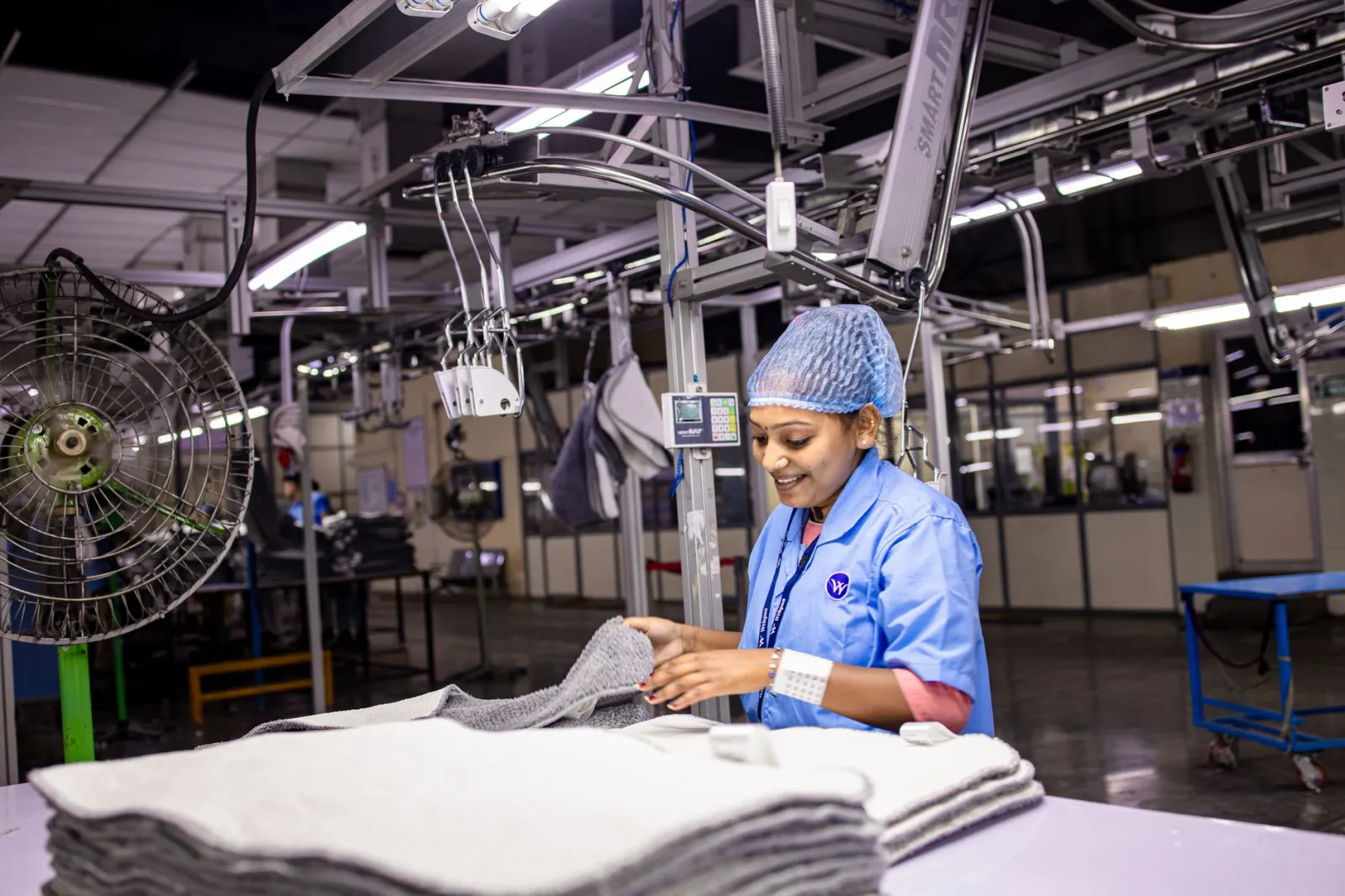
How to Spot Hidden Fabric Production Costs Your ERP Ignores
Your ERP may show material and labour costs, but it misses the hidden expenses that eat margins: energy spikes, machine...
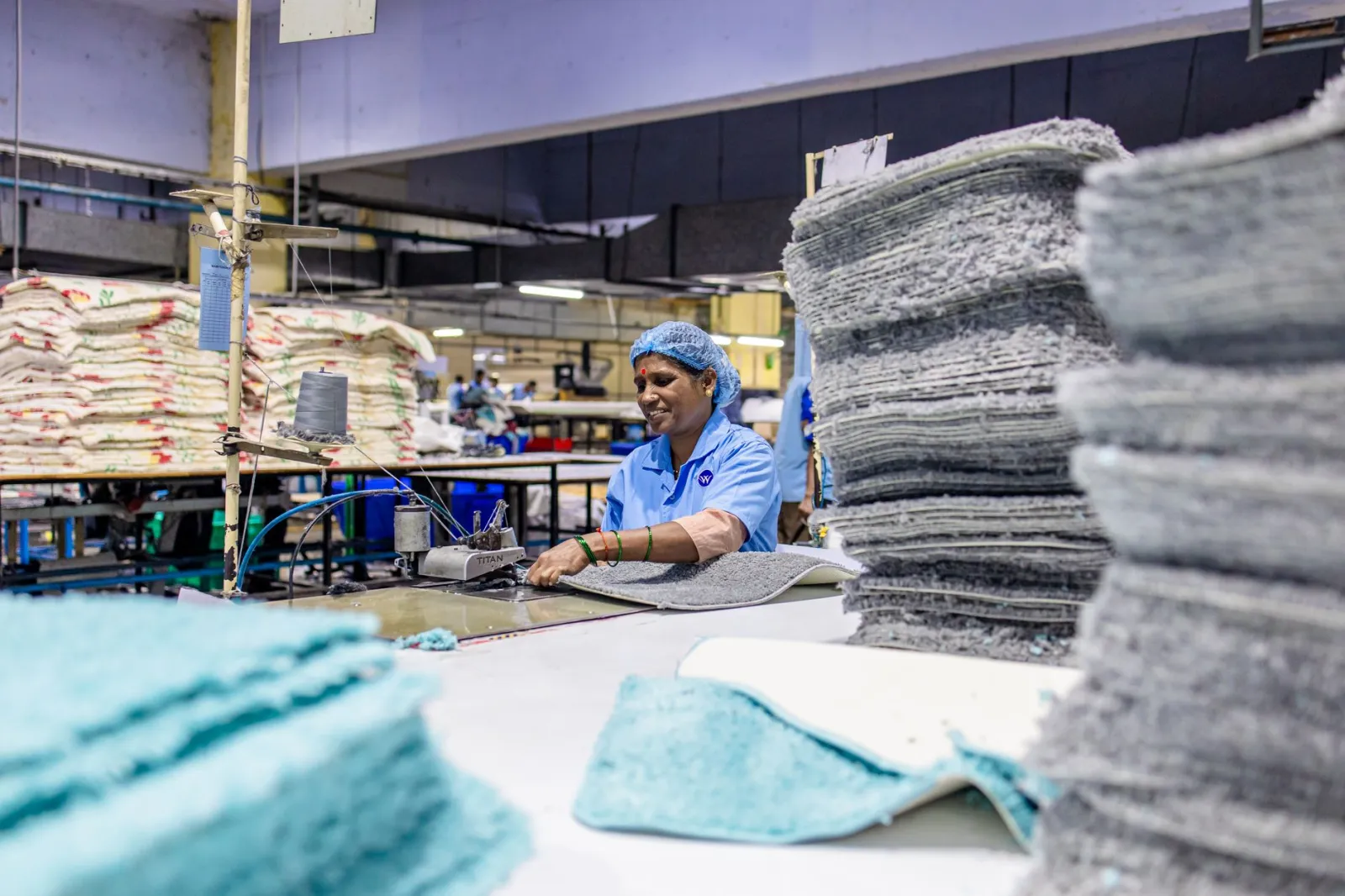
ERP Labor Cost Allocation in Piece-Rate Factories: Avoiding Hidden Errors
Piece-rate payroll in manufacturing is riddled with hidden errors—some only show up months later. ERP systems like Facte...
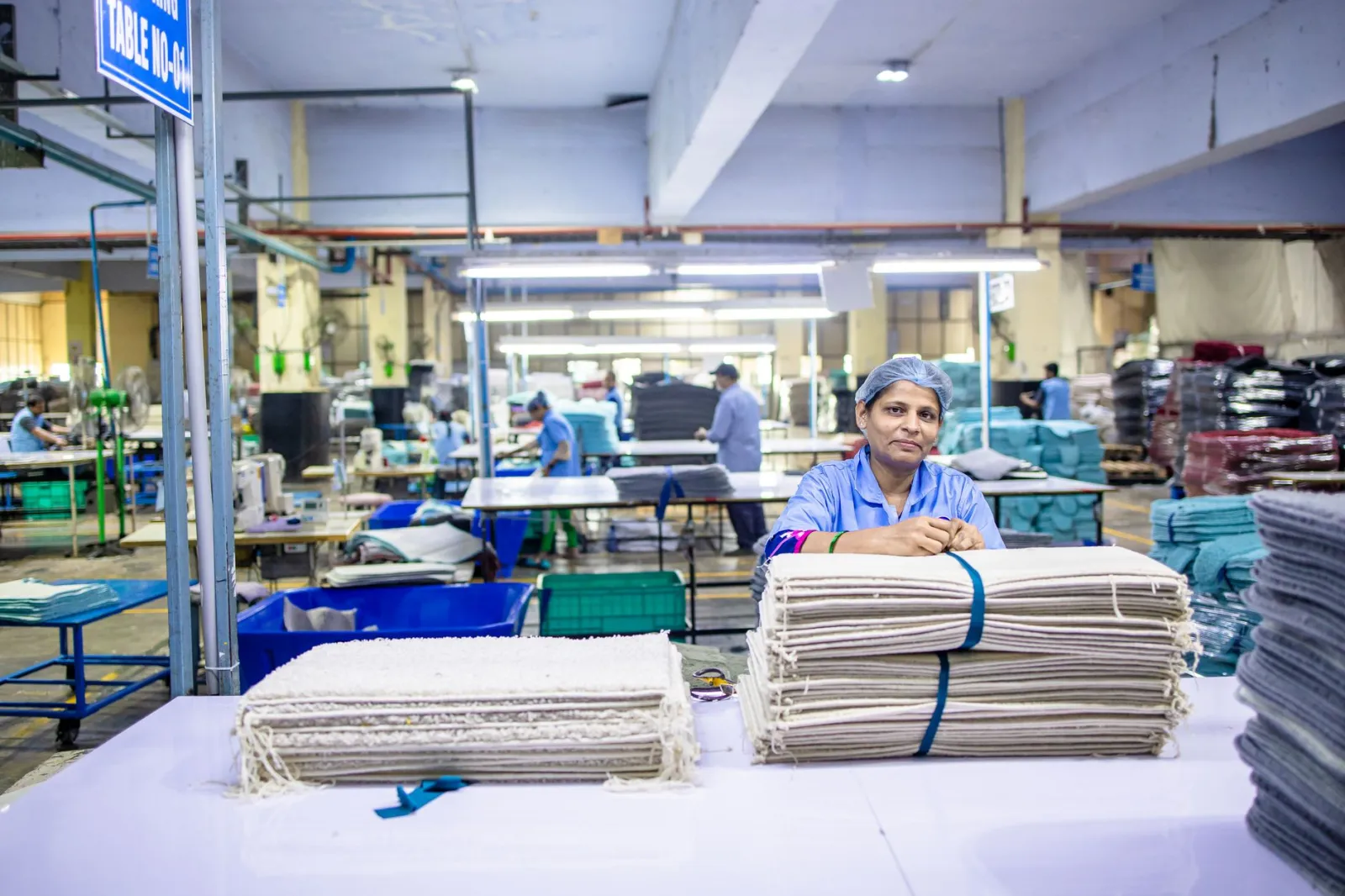
How to Allocate Fabric Scrap Revenue Correctly in ERP
Allocate fabric scrap revenue accurately to production lines in ERP to avoid accounting errors and improve cost tracking...
Other industries