
Operations module
Production & Planning
A confirmed order becomes production orders per article; each stage records what went in, what came out and what was lost, so progress and yield are facts rather than estimates.
What it does
Built around how the work actually happens
- Production order per article with material requirement from the recipe
- Stage-wise entries by machine, shift and operator
- Recipe-driven chemical and dye issues per batch
- Waste and yield captured at each stage, not guessed at month end
- Live pipeline showing where every order stands and what is late
What the daily routine looked like before
The morning starts with the planning clerk collecting hand-written job cards from the previous night’s shift. Each card shows the loom number, the article, the metres woven and the cones issued. The clerk tallies the cards against a whiteboard that lists every order due this week. Discrepancies—missing cards, illegible figures, cones not returned—are noted in a spiral-bound notebook. By 9:30 the notebook is handed to the production manager, who spends the next hour phoning the weaving shed to confirm which looms actually ran and which were stopped for warp changes or mechanical faults.
In dyeing, the foreman keeps a separate A4 pad for each dye machine. Every batch entry records the recipe number, the kilos of grey cloth loaded, the chemicals drawn from the store, and the kilos of dyed cloth unloaded. At the end of the shift the pad is locked in the foreman’s desk; the figures are only transcribed into the central register two days later, after the lab has approved the shade. If the shade fails, the entire entry is crossed out and the batch is re-run without any adjustment to the stock ledger.
Finishing, cutting and packing each maintain their own carbon-copy triplicate books. The finishing supervisor writes the metres received from dyeing, the metres passed to cutting, and the kilos of off-cuts. The cutting supervisor does the same for pieces issued and pieces returned. Packing lists are typed on a manual typewriter and filed in a lever-arch folder. At month-end the accountant reconciles the three sets of books by hand, often finding that the metres sent from finishing do not match the metres received in cutting, or that the packing list shows more pieces than cutting recorded.
Every Friday the planning clerk updates a wall-sized Gantt chart with coloured pins. The chart is supposed to show which orders are on schedule, which are late, and which machines are idle. Because the data is already three days old, the chart is more decorative than useful; decisions about overtime or machine allocation are made in the canteen over tea, not in front of the chart.
How a document moves through the system
Production Order
The sales team raises a confirmed order in the sales module. The planning clerk converts it into a Production Order (PO) for each article. The PO lists the article code, the quantity required, the recipe, and the target completion date. Once approved, the PO generates material requisitions for yarn, chemicals and packaging. These requisitions are sent electronically to the stores; the storekeeper issues the materials and posts the issues against the PO, reducing stock on hand and increasing work-in-progress in the ledger.
Weaving Entry
The weaving supervisor selects the PO from a touch-screen terminal on the shop floor. He enters the loom number, the shift, the operator, and the metres woven. The system records the actual cones consumed (back-flushed from the recipe) and posts the output to the PO. Stock of grey fabric increases; work-in-progress decreases. If the actual cones used differ from the recipe, the variance is flagged for investigation but does not stop the entry being posted.
Dye Batch
The dyeing foreman creates a Dye Batch document linked to the PO. He enters the machine number, the kilos of grey cloth loaded, and the recipe. The system reserves the chemicals and dyes listed in the recipe; the storekeeper issues them and posts the issues to the batch. When the batch is unloaded, the foreman enters the kilos of dyed cloth and any rejections. The system calculates yield, posts the dyed cloth to stock, and writes off the waste to a cost centre. The ledger is updated: work-in-progress moves to finished-goods-inventory, and the cost of chemicals is allocated to the batch.
Finishing, Cutting & Stitching, Packing List
Each stage follows the same pattern. The supervisor selects the PO, enters the quantity received from the previous stage, the quantity passed to the next stage, and any waste. The system updates stock and the ledger in real time. The Packing List is generated automatically from the cutting entry; it shows the pieces, the carton numbers, and the gross weight. Once the list is printed and signed, the system posts the finished goods to the despatch module and closes the PO.
The reports and the decisions they support
| Report | What it shows | Decision it supports |
|---|---|---|
| Production Register | Every PO, its current stage, the quantity at each stage, and the days behind or ahead of schedule. | Which orders to expedite, which machines to load next, and whether to authorise overtime. |
| Stage-wise Yield Analysis | Yield percentage for each stage (weaving, dyeing, finishing) broken down by article, machine and shift. | Identify chronic waste points; decide whether to retrain operators, adjust recipes, or overhaul machines. |
| Chemical & Dye Usage Variance | Actual consumption versus recipe standard for every dye batch, with cost variance. | Negotiate with suppliers, revise recipes, or investigate unauthorised issues. |
| Machine Utilisation | Hours run versus hours available for each machine, by shift and by week. | Schedule preventive maintenance, justify capital expenditure, or reallocate labour. |
| Late Orders Pipeline | Orders that have missed their target date, grouped by customer and by days late. | Prioritise despatch, inform customers, or renegotiate delivery dates. |
| WIP Ageing | Value of work-in-progress broken down by days in the plant. | Release cash by completing old batches, or write off obsolete stock. |
What usually goes wrong when the plant runs without this module
Without a central record, each department keeps its own figures. Weaving reports 10,000 metres woven; dyeing receives 9,800; finishing passes 9,600 to cutting. The 400-metre gap is never reconciled. The accountant books the difference as “process loss” and the sales team promises the customer 10,000 metres. The customer receives 9,600 and deducts 4% from the invoice; the plant loses margin and reputation.
Chemicals and dyes are issued on verbal requests. The storekeeper issues 50 kg of a dye because the foreman says “we’re running low.” The batch fails; the foreman blames the recipe. The lab adjusts the recipe for the next batch, but the original 50 kg is never written off. The stock ledger shows 50 kg on hand; the physical stock is zero. The next order for that dye is delayed while the accountant argues with the supplier over a shortage that does not exist.
Waste is recorded on scraps of paper and totalled at month-end. The weaving shed reports 2% waste; the dyeing shed reports 5%; finishing reports 3%. The accountant books 10% total waste. In reality, the weaving shed loses 3%, dyeing loses 8%, and finishing loses 2%. The 3% gap is never investigated; the plant assumes it is normal and prices every order accordingly. Over a year, the plant gives away thousands of metres of cloth it could have sold.
Orders are tracked on a whiteboard. The board shows that Order 123 is “in dyeing.” In fact, the batch failed two days ago and is waiting for a re-run. The sales team tells the customer the order is on schedule. The customer books a container for tomorrow. The container arrives; the order is not ready. The customer cancels the container, charges a detention fee, and places the next order with a competitor.
At month-end the accountant spends three days reconciling the books. He finds that the weaving shed issued 500 cones of yarn but only 450 were used. The 50 cones are still in work-in-progress; the ledger shows them as consumed. The accountant writes them off as waste. The next month the same thing happens. The plant never knows its true stock; it orders yarn it does not need and runs out of yarn it thought it had.
Without live data, the production manager cannot see which machines are idle. He schedules a warp change on a loom that has been stopped for maintenance. The maintenance crew arrives; the loom is running. They wait four hours for the warp to finish. The maintenance is rushed; the loom breaks down the next day. The plant loses a shift of production and pays overtime to catch up.
Questions about Production & Planning
Can the system handle partial completions, or must we finish an entire batch before posting?
The system allows partial completions at every stage. You can post the output of a single shift on a single machine, even if the batch is not finished. The PO remains open until the full quantity is completed or the order is closed manually.
What happens if the actual material used differs from the recipe?
The system posts the actual material used to the PO and flags the variance. The variance is visible in the Chemical & Dye Usage Variance report and can be investigated. The ledger is updated with the actual cost, not the standard cost.
Can we see the pipeline on a mobile device, or do we need to be in the office?
The pipeline and all reports are accessible on any device with a browser. You can check the status of an order from the shop floor, the warehouse, or off-site.
How does the system handle rework—batches that fail and must be re-run?
You create a new Dye Batch document linked to the original PO. The system reserves the additional materials and posts the extra cost to the same cost centre. The original batch is marked as failed; the rework batch is tracked separately. The yield report shows both attempts so you can see the true cost of the failure.
Reading
Notes from the field
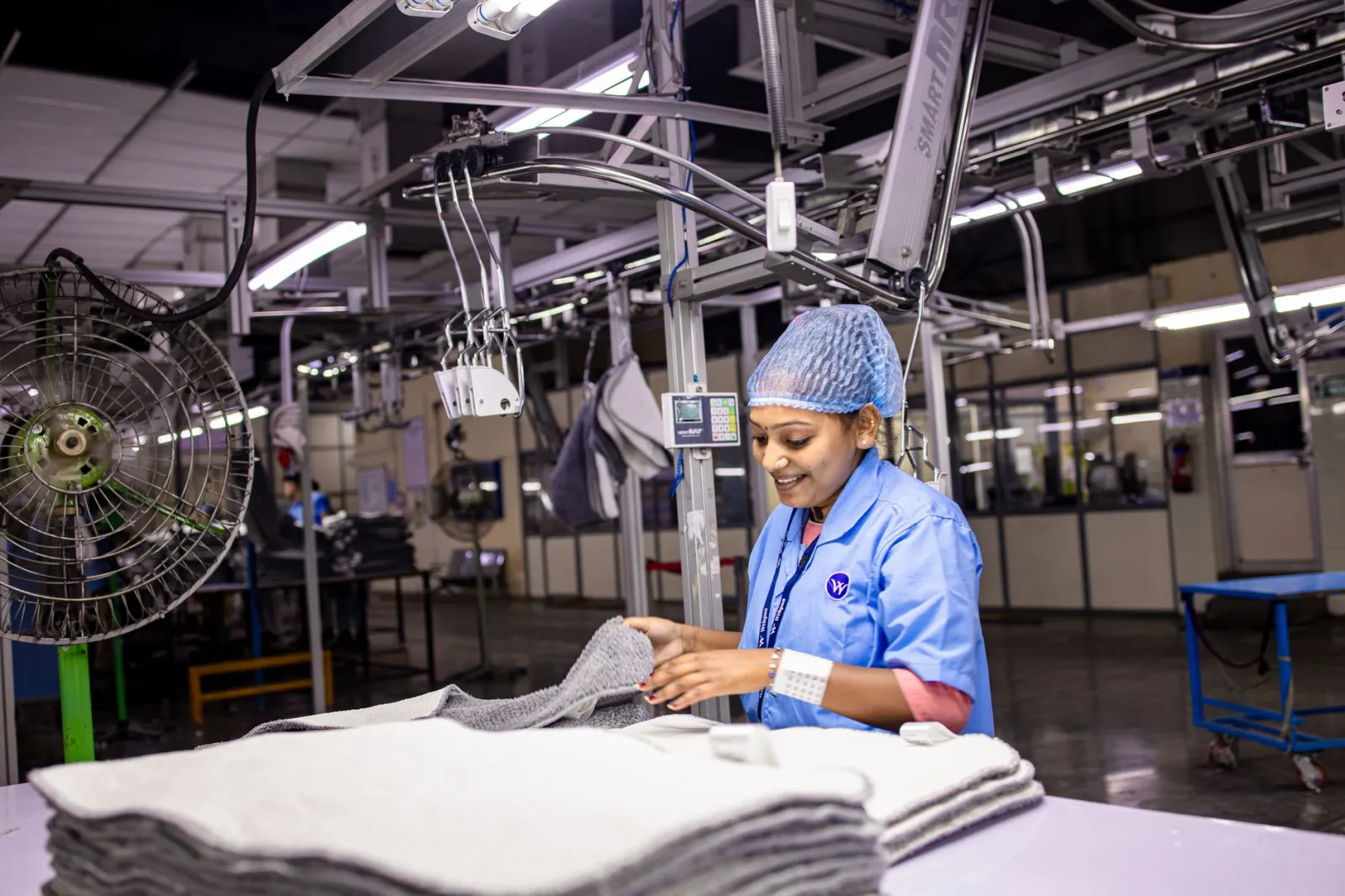
How to Spot Hidden Fabric Production Costs Your ERP Ignores
Your ERP may show material and labour costs, but it misses the hidden expenses that eat margins: energy spikes, machine...
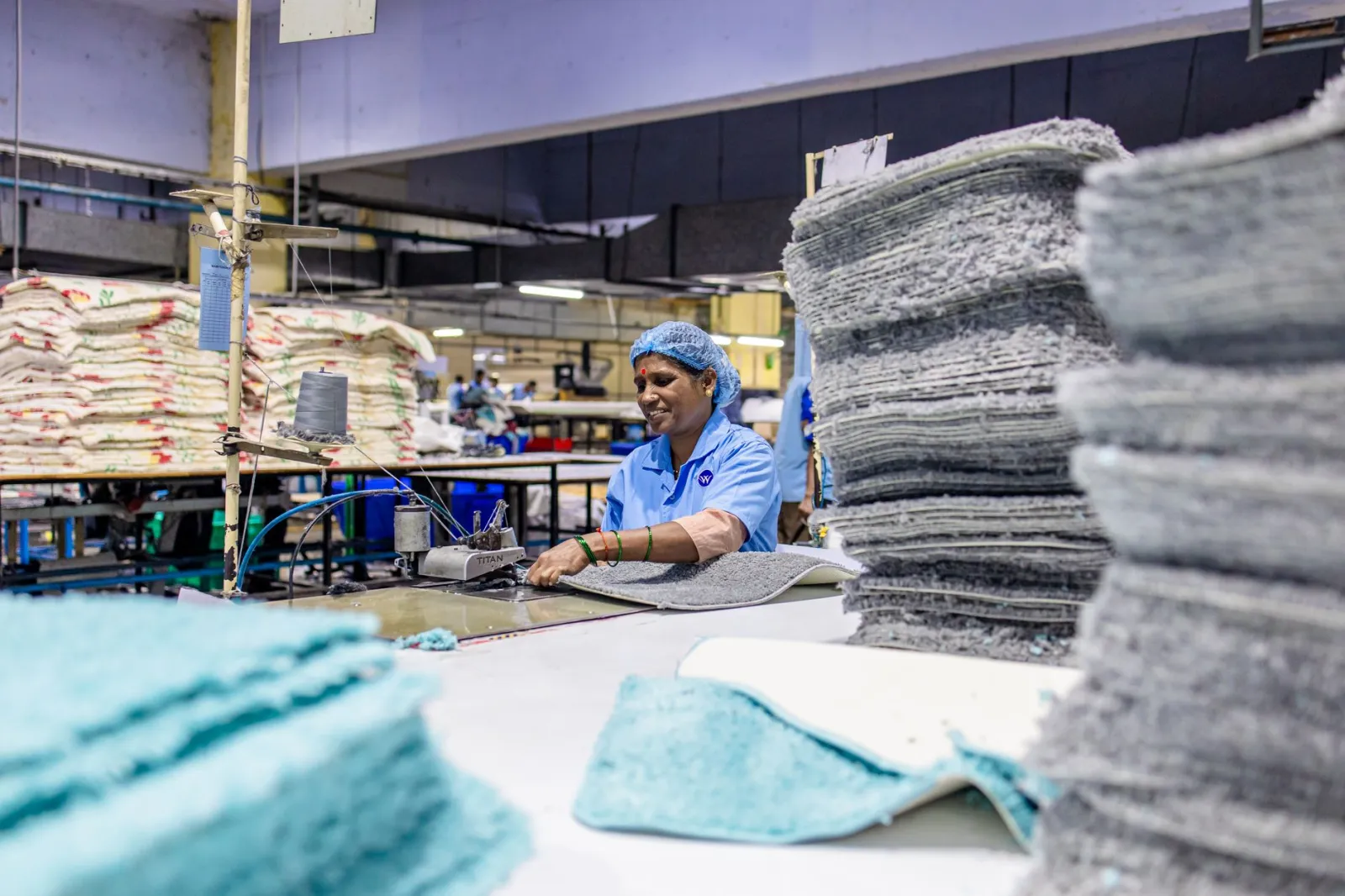
ERP Labor Cost Allocation in Piece-Rate Factories: Avoiding Hidden Errors
Piece-rate payroll in manufacturing is riddled with hidden errors—some only show up months later. ERP systems like Facte...
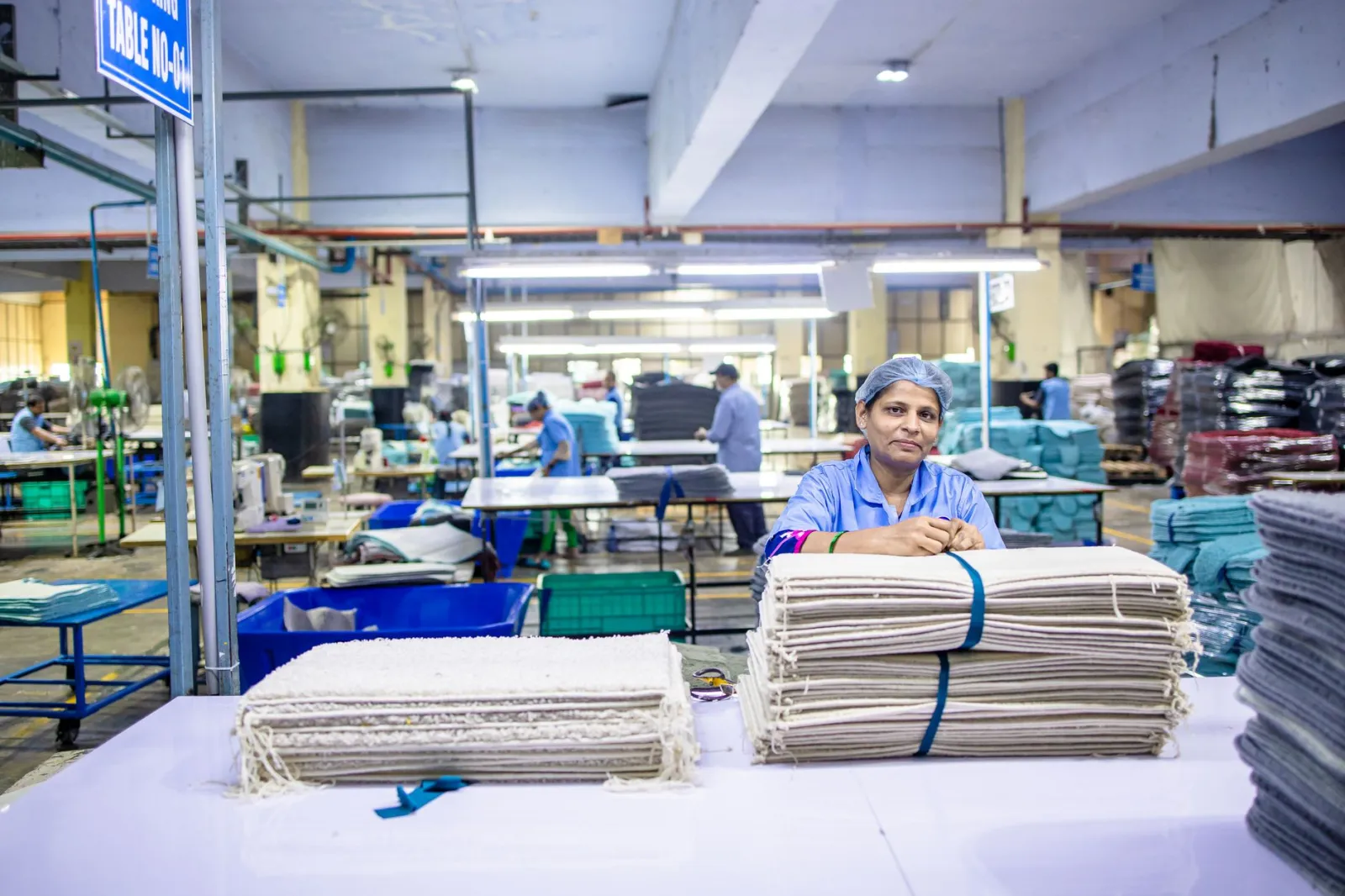
How to Allocate Fabric Scrap Revenue Correctly in ERP
Allocate fabric scrap revenue accurately to production lines in ERP to avoid accounting errors and improve cost tracking...