
Category
Finance for Factories
Costing, working capital, cash flow and reporting owners trust.
Running a factory means you’re always watching where the cash is tied up. Between raw materials sitting in stores, work-in-progress on the floor, finished goods waiting for customers, and the money customers owe you, working capital can disappear faster than you expect. Owners tell me the biggest headaches aren’t the big orders or the big machines—it’s the slow leaks in cash flow that nobody spots until the bank calls. This is where the real money sits, and this is where the real decisions get made.
These articles cut through the spreadsheets and show you exactly where to look when cash feels tight. You’ll learn how to spot the hidden cash in your own shop floor, how to shorten the time between paying suppliers and getting paid by customers, and how to set up reports that actually help you decide what to do next. No jargon, just the steps that work on a real factory floor.
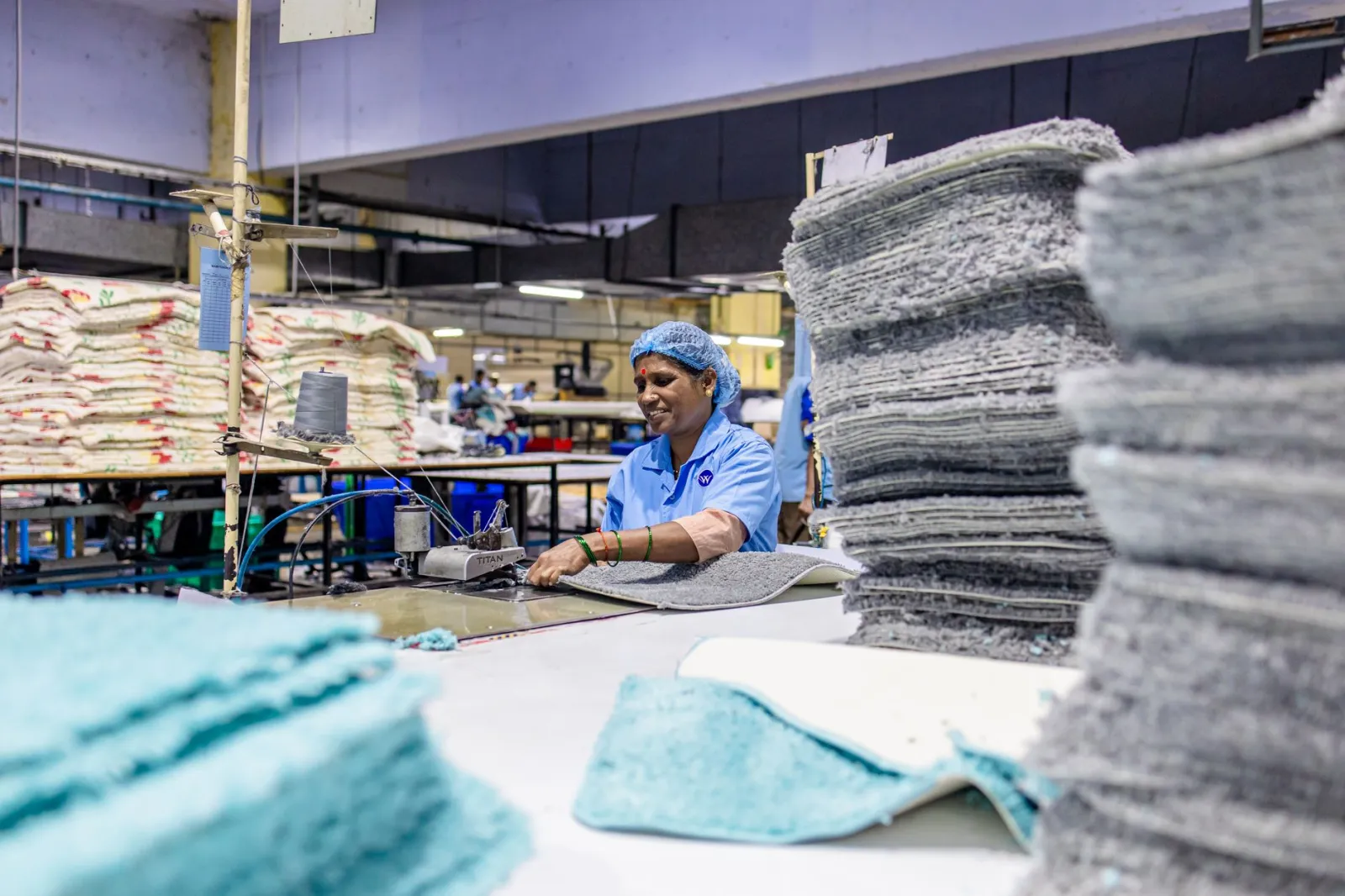
ERP Labor Cost Allocation in Piece-Rate Factories: Avoiding Hidden Errors
Piece-rate payroll in manufacturing is riddled with hidden errors—some only show up months later. ERP systems like Facte...

Calculate Factory Overhead Recovery Rate Using ERP Data
A plain method for factory owners and accountants to calculate and apply an overhead recovery rate using data already in...

Multi-currency ERP reporting for export plants: base currency, rates and auditor checks
Export plants must reconcile foreign-currency sales and costs with local-currency accounting, while keeping every transa...

Manufacturing working capital: where the money sits and how to free it
A factory owner’s cash is locked in raw materials, work-in-progress, finished stock and unpaid invoices; the levers to r...
Newsletter
One article a week, no sales mail
Practical notes on costing, stock accuracy, planning and quality — written for people who run plants.
Questions about finance for factories
What people ask before they start
How do I find out where my cash is stuck in the factory?
Start by mapping every step from when you pay for materials to when you collect from customers. Look at raw material days in stores, work-in-progress on machines, finished goods waiting for shipment, and invoices still unpaid by customers. The slowest part of that chain is where your cash is trapped.
What’s the fastest way to free up cash in a factory?
Sell the slow-moving stock first, shorten production lead times so cash turns over quicker, and tighten payment terms with customers while negotiating better terms with suppliers. Small changes in these areas usually free up cash faster than chasing new sales.
How do I know if my working capital is too high or too low?
Compare your inventory days, receivables days, and payables days to your industry benchmarks. If your inventory sits longer than competitors or customers take weeks longer to pay, you’re likely over-invested in working capital. If suppliers demand payment before you get paid by customers, you may be under-invested.
Can an ERP system actually help me track working capital in real time?
Yes, if it’s set up to track every movement from receiving materials to shipping finished goods and recording customer payments. The right system gives you a live view of cash tied up in inventory, work-in-progress, and receivables, so you can act before the problem grows.
What reports should I run every week to keep cash flow under control?
Run a weekly aging report on customer invoices, a stock turnover report on slow-moving items, and a production lead time report to spot bottlenecks. These three reports tell you where cash is stuck and where to focus your fixes.
How do I convince my team to care about working capital when they’re focused on production targets?
Show them the numbers tied to their own bonuses or department budgets. If the production manager sees that reducing lead time by one day frees up cash that can be used for new equipment, they’ll pay attention. Tie working capital metrics to their daily decisions.