
Industry fit
ERP for Apparel & Garments
Style-wise bills of material, cutting and stitching lines, trims control and buyer-wise costing.
What we usually find
The problems that bring plants to us
- Trims and accessories short at the last minute
- Style costing done in spreadsheets per buyer
- Line output not reconciled with cut quantity
After go-live
What changes
- Style BOM with trim reservation
- Cut-to-ship reconciliation
- Buyer-wise contribution reporting
How the work flows, stage by stage
In a terry-towel plant that also cuts and stitches garments, the order starts with a buyer’s specification sheet. That sheet becomes a Style Master in the system, listing every fabric, trim and accessory with its consumption per piece. Once the style is approved, the Sales Order is entered, which reserves the trims and generates a Cutting Order for the fabric store.
The fabric store issues rolls or cones against the Cutting Order; the system records the exact roll number and weight issued. The cutting room returns a Cut Bundle Card that shows how many pieces were cut, how many were rejected, and the actual fabric consumed. That card is scanned into the stitching line, where each operator’s output is recorded on a Line Output Sheet per shift. The line sheet is reconciled with the cut quantity before the finished garments are packed into cartons and a Packing List is generated.
Every stage—cutting, stitching, packing—posts its actual labour and overhead to the job, so the Job Cost Sheet is always up to date. When the shipment leaves, the system raises the Invoice and the Delivery Note, and the order is closed.
The material problem: trims and fabric yield
Trims—buttons, zips, labels, threads—are ordered in bulk but consumed in tiny quantities per style. If the system does not reserve them at the moment the order is entered, the last style in the month finds the store empty. Facteno reserves each trim against the style master, so the Purchase Requisition is raised only for the shortfall, not for the full requirement.
Fabric yield is the other number that moves. A 200 kg roll may yield 980 pieces instead of the planned 1 000. The Cut Bundle Card records the actual yield, and the system adjusts the fabric cost per piece automatically. If the yield drops below the tolerance set in the style master, the system flags the roll for investigation and stops further issues until the root cause is recorded.
Costing in apparel: one worked illustration
Costing is done per style and per buyer. Below is a simplified illustration for a single style, showing how the system builds the cost from actuals.
| Cost element | Quantity | Rate | Amount (£) |
|---|---|---|---|
| Fabric (terry, 500 gsm) | 1.1 m per piece | £2.80 per m | 3.08 |
| Trim A (button) | 6 per piece | £0.05 each | 0.30 |
| Trim B (zip) | 1 per piece | £0.40 each | 0.40 |
| Direct labour (stitching) | 0.15 hours per piece | £8.00 per hour | 1.20 |
| Overhead (machine hour) | 0.05 hours per piece | £20.00 per hour | 1.00 |
| Total cost per piece | 5.98 |
The illustration assumes no rejections and no yield loss. In practice, the system adds the actual rejections and yield loss to the cost, so the final number is always the true cost, not the planned cost.
Controls that matter: approvals, roles, traceability
In apparel, the controls that prevent leakage are:
- Approval chains: A Cutting Order above 500 pieces needs the production manager’s approval; a fabric issue above 1 000 kg needs the plant head’s approval. The system enforces these chains before the document is released.
- Roles: The cutting room clerk can issue fabric but cannot change the style master; the costing clerk can see the cost sheet but cannot edit the overhead rates. Roles are enforced in the API, so even a direct database edit is blocked.
- Traceability: Every roll of fabric and every carton of trims has a batch number. The system records which roll was used for which style and which carton of buttons was issued to which cutting order. If a defect is found, the system can trace the batch back to the supplier and forward to the finished garments.
- Audit trail: Every change to a style master, every issue of fabric, every rejection in the line is recorded with the user, the timestamp and the old and new values. The audit trail is exportable and cannot be edited.
Rollout: what to touch first, what can wait
The first three modules to roll out are:
- Sales & Order Book: Capture every order with its style and delivery date. This gives the live order book that the plant head checks every morning.
- Inventory & Stores: Record every roll of fabric and every carton of trims with its batch number and location. This stops negative stock and parallel spreadsheets.
- Production & Planning: Route every order through cutting, stitching and packing. This gives the real output per shift and per machine.
Once these three are stable, add:
- Product Costing: Build the cost per piece from actual material, labour and overhead. This replaces the spreadsheets and gives the true cost per style and per buyer.
- Quality Control: Record every inspection—fabric, stitching, packing—with the defect and the 4-point score. This gives the quality trend per supplier and per line.
- Finance & Accounts: Post every material issue, every labour hour, every overhead to the ledger. This gives the trial balance, P&L and balance sheet that tie to operations.
The modules that can wait are:
- HR & Payroll: Attendance and payroll for monthly and daily-wage staff. This is important but not urgent; the plant can continue with the existing system for a few months.
- Dynamic Approvals: Decide which documents need approval. This can be set up in parallel with the first three modules, but it is not a blocker.
- Activity Tracking & Session Replay: Know who did what. This is useful for audit but not for day-to-day operations.
Where the system would need custom work
Facteno is built for terry-towel plants that also cut and stitch garments. The core modules cover the standard flow. However, apparel has two areas that often need custom work:
- Style variants: A style may have five sizes and three colours, each with its own consumption. The system can handle variants, but if the variants are complex—say, 20 sizes and 10 colours—the style master screen may need a custom grid to keep it usable.
- Buyer-specific packing: Some buyers want the garments packed in polybags, others in cartons; some want the polybags labelled, others want the cartons barcoded. The system can record the packing instructions, but if the instructions are very detailed—say, a 20-step packing protocol—the packing list screen may need a custom layout.
Custom work is done in the same codebase, so it does not break the upgrade path. The cost is quoted upfront and is not a percentage of the licence fee.
Modules that carry the weight
Where the value sits for Apparel & Garments
Sales & Order Book
Quotation to invoice with a live order book, delivery tracking and customer ledgers.
Inventory & Stores
One stock ledger for every store, batch and rack — no negative stock, no parallel spreadsheets.
Production & Planning
Route every order through the plant — weaving, dyeing, finishing, stitching, packing — with real out...
Product Costing
Cost per piece and per kilo built from actual material, wages, utilities and overheads.
Questions from this industry
What buyers in Apparel & Garments ask first
How do you handle trims that are shared across styles?
The system reserves trims at the style master level. If a trim is shared, the reservation is split across the styles. The Trim Reservation Report shows the total requirement, the total stock and the shortfall per trim, so the purchase team can order only what is needed.
Can the system show the cost per style per buyer, not just per style?
Yes. The Buyer-wise Contribution Report shows the cost, the invoice value and the contribution per style per buyer. The report is filterable by date, buyer and style, and is exportable to Excel.
How do you reconcile the cut quantity with the stitching output?
The system reconciles the cut quantity with the stitching output at the end of each shift. The Cut-to-Ship Reconciliation Report shows the cut quantity, the stitching output, the rejections and the variance. If the variance is above the tolerance set in the style master, the system flags the line for investigation.
Can the system record the actual fabric yield per roll?
Yes. The Cut Bundle Card records the actual fabric issued, the actual pieces cut and the actual yield per roll. The system adjusts the fabric cost per piece automatically, so the cost sheet always shows the true cost, not the planned cost.
How do you handle buyer-specific packing instructions?
The system records the packing instructions in the style master. The Packing List shows the instructions, and the system enforces them at the packing stage. If the instructions are very detailed, the packing list screen can be customised to show them in a grid or a checklist.
Reading
Notes that apply here
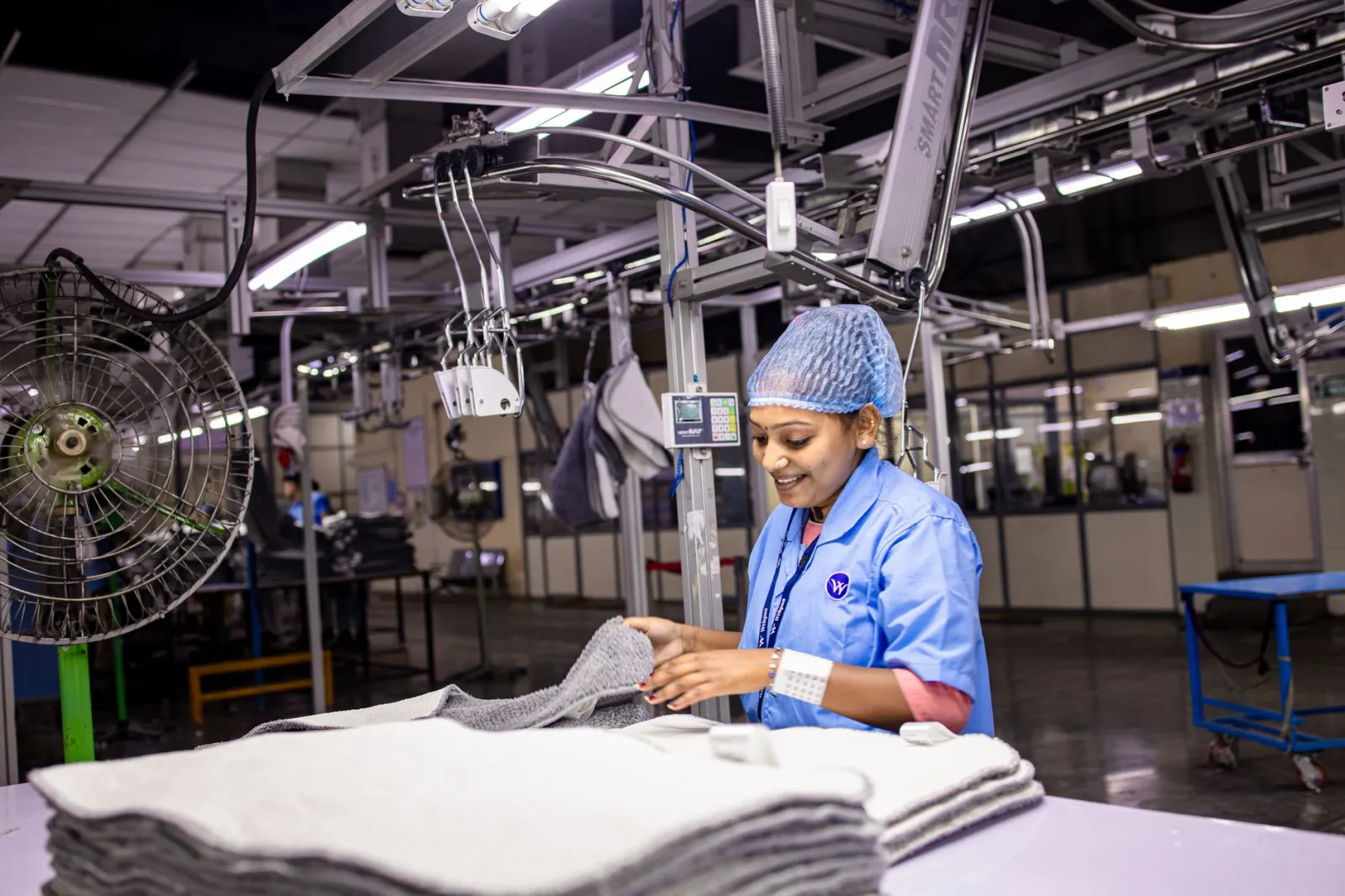
How to Spot Hidden Fabric Production Costs Your ERP Ignores
Your ERP may show material and labour costs, but it misses the hidden expenses that eat margins: energy spikes, machine...
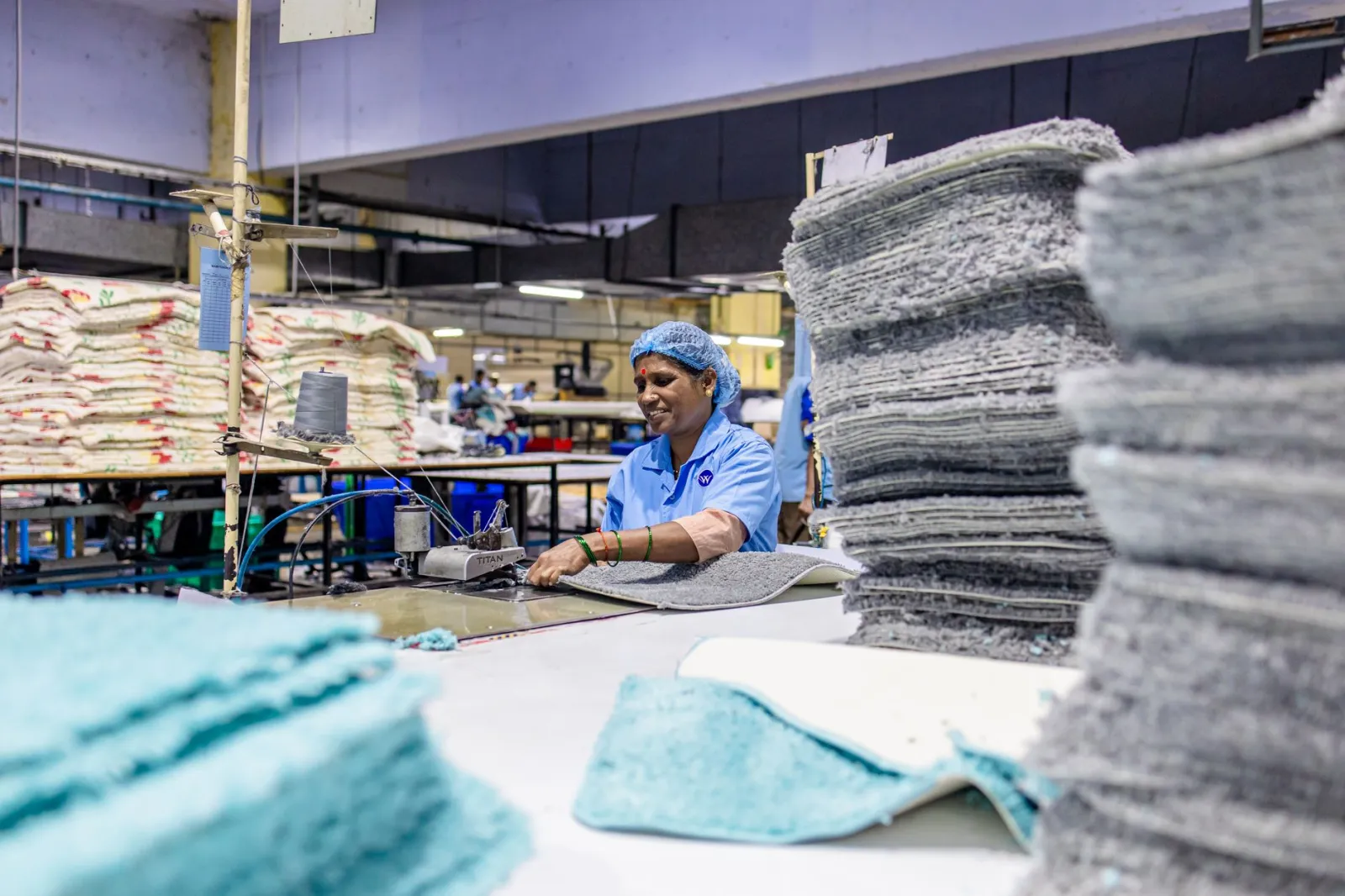
ERP Labor Cost Allocation in Piece-Rate Factories: Avoiding Hidden Errors
Piece-rate payroll in manufacturing is riddled with hidden errors—some only show up months later. ERP systems like Facte...
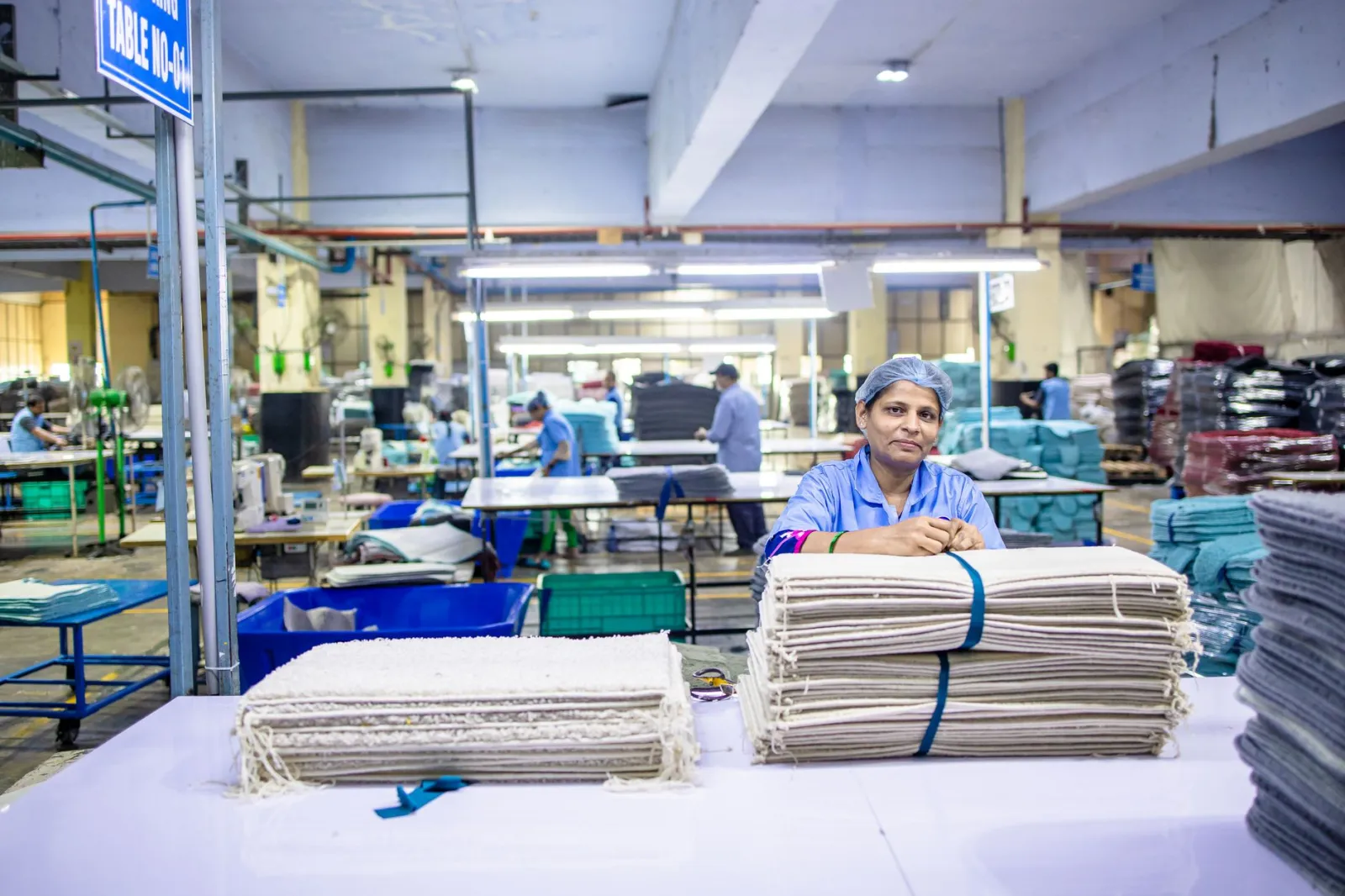
How to Allocate Fabric Scrap Revenue Correctly in ERP
Allocate fabric scrap revenue accurately to production lines in ERP to avoid accounting errors and improve cost tracking...
Other industries