
Industry fit
ERP for Packaging & Printing
Job cards, plate and die control, make-ready wastage and per-job profitability.
What we usually find
The problems that bring plants to us
- Make-ready wastage absorbed silently
- Dies and plates lost between jobs
- Per-job profit unknown
After go-live
What changes
- Wastage recorded per job card
- Die and plate register with movements
- Job-level contribution
How the work actually flows, and the document that captures each stage
In a packaging or printing plant the order typically enters as a customer PO with a PDF artwork attached. The Sales & Order Book module converts the PO into a live job card that travels with the material from pre-press to despatch.
- Pre-press: The artwork is ripped to plates or dies. The Inventory & Stores module issues the correct plate or die from the register and links it to the job card. A small QC check (ink density, die sharpness) is recorded in the Quality Control module before the plate is released to production.
- Make-ready: The first 50–200 sheets or metres are run to set colour and register. The Production & Planning module opens a make-ready record on the job card; wastage is recorded in real time against the job, not absorbed into a general scrap account.
- Production run: The job card moves to the press or converting line. Output is logged per shift in the Production & Planning module, so the planner can see actual metres per hour against the standard.
- Finishing: Slitting, laminating, die-cutting or stitching. Each operation is a separate step on the job card; if a batch is split, the system keeps the parent-child link so traceability is never broken.
- Final QC: The Quality Control module records a 4-point score and any defects (mis-register, scuffing, wrong laminate). Only jobs that pass are allowed to move to packing.
- Packing & despatch: The job card is closed, the Sales & Order Book module generates the invoice and the Inventory & Stores module posts the finished stock to the correct rack.
The material problem that changes the numbers
Plates and dies are high-value assets that move between jobs, stores and even plants. Without a register, the same plate is re-engraved when it could have been pulled from stock, or a die is written off as scrap when it was actually lent to another line. The Inventory & Stores module treats plates and dies as tracked inventory: every issue, return and adjustment is logged against the job card and the physical location. At month-end the register shows which plates are idle, which are on loan, and which have reached end-of-life. A typical register of 500 plates can save the cost of 15–20 re-engravings a year, each costing £80–£120 in labour and material.
What costing looks like in packaging and printing
Cost per job is built from actual material, wages, utilities and overheads. The Product Costing module rolls these up in two ways: per piece (sheet, box, bag) and per kilo of substrate. Below is a worked illustration for a 10 000-unit run of laminated pouches.
| Cost element | Quantity | Unit cost | Total | Per piece |
|---|---|---|---|---|
| Film (kg) | 120 | £2.10 | £252.00 | £0.0252 |
| Ink (kg) | 1.8 | £18.50 | £33.30 | £0.0033 |
| Laminate (m²) | 220 | £0.45 | £99.00 | £0.0099 |
| Make-ready wastage (kg) | 15 | £2.10 | £31.50 | £0.0032 |
| Production wages (hours) | 12 | £12.00 | £144.00 | £0.0144 |
| Press electricity (kWh) | 85 | £0.18 | £15.30 | £0.0015 |
| Overhead (machine-hour) | 12 | £25.00 | £300.00 | £0.0300 |
| Total | £875.10 | £0.0875 |
The illustration shows that make-ready wastage alone adds £0.0032 to the piece cost. If the same job is run again without recording wastage, the £31.50 is absorbed into a general scrap account and the next quote will be under-costed by 3.6 %.
The controls that matter in this industry
- Approvals: The Dynamic Approvals module lets you decide which documents need sign-off, at how many levels, and above which value. In packaging and printing, the common triggers are: new plates over £500, job cards that exceed the quoted quantity by more than 5 %, and supplier bills that differ from the GRN by more than 2 %.
- Roles: The Roles, Users & Audit module enforces rights at the API level. A press operator can record output but cannot edit the job card; a planner can split a batch but cannot approve a new plate. The rights matrix is built by department, not by individual, so onboarding a new shift is a single role assignment.
- Traceability: Every material movement—substrate, ink, plate, die—is linked to the job card and the batch number. If a customer reports a mis-register, the Activity Tracking & Session Replay module lets you trace the plate back to the engraving job, the operator, and the QC sign-off.
- Audit: The system logs who logged in, from where, on what device, and what they did. If a plate is issued to the wrong job, the audit trail shows the clerk, the timestamp, and the screen they used. The trail is immutable and exportable for external audits.
What a rollout touches first, and what can wait
Most plants start with three modules: Inventory & Stores for the plate and die register, Production & Planning for job cards and make-ready wastage, and Product Costing for per-job profitability. These three give the quickest visibility into the silent costs that erode margin. The next phase—usually 6–8 weeks later—adds Quality Control for in-process and final inspections, and Sales & Order Book to close the loop from quote to invoice. Modules that can wait are HR & Payroll (unless piece-rate wages are complex) and Business Control Centre (it is more useful once the data is clean).
Where the system would need custom work for this industry
The standard product handles the core flow—job cards, plates, wastage, costing—but packaging and printing often need two custom extensions. First, artwork management: the system does not store PDFs or vector files, so a simple DAM (Digital Asset Management) bolt-on is usually built to link the customer artwork to the job card and keep a revision history. Second, substrate nesting: if the plant runs wide-web flexo or large-format sheet-fed, the standard planning module does not optimise the sheet layout; a third-party nesting engine is integrated via API to minimise trim waste.
Modules that carry the weight
Where the value sits for Packaging & Printing
Inventory & Stores
One stock ledger for every store, batch and rack — no negative stock, no parallel spreadsheets.
Production & Planning
Route every order through the plant — weaving, dyeing, finishing, stitching, packing — with real out...
Product Costing
Cost per piece and per kilo built from actual material, wages, utilities and overheads.
Reports & Exports
Twenty-five plant and finance reports, filterable and exportable, with no report-writer licence to b...
Questions from this industry
What buyers in Packaging & Printing ask first
How do you handle variable data printing, where every sheet is different?
The Production & Planning module treats variable data as a separate operation on the job card. The press operator logs the total sheets run and the system calculates the cost per sheet from the total run cost. If the job is invoiced per sheet, the Sales & Order Book module generates the invoice from the actual sheets logged, not from the quoted quantity.
Can the system track ink and substrate across multiple plants?
Yes. The Inventory & Stores module has a multi-plant view that shows stock levels, movements and re-order points for every location. Transfers between plants are recorded as inter-store movements, so the cost follows the material and the stock ledger never goes negative.
How do you record wastage when the press is running multiple jobs on the same web?
The job card is split into a parent card (the web) and child cards (the individual jobs). Wastage is recorded against the parent card and then apportioned to the child cards by area or by length. The apportionment rule is set once per press and applied automatically.
Can we see the cost impact of a last-minute artwork change?
The Product Costing module recalculates the job cost when the plate or die is re-issued. The new cost is compared to the original quote and the difference is shown on the job card. If the change triggers an approval (e.g., new plate over £500), the Dynamic Approvals module routes the job card to the correct manager.
How do you handle customer-supplied material?
The Inventory & Stores module has a separate store for customer-supplied material. When the material is received, it is logged against the customer account, not against the plant stock. When the job is run, the material is issued from the customer store and the cost is excluded from the job cost calculation. If the customer material is damaged or short, the system generates a debit note for the customer.
Reading
Notes that apply here
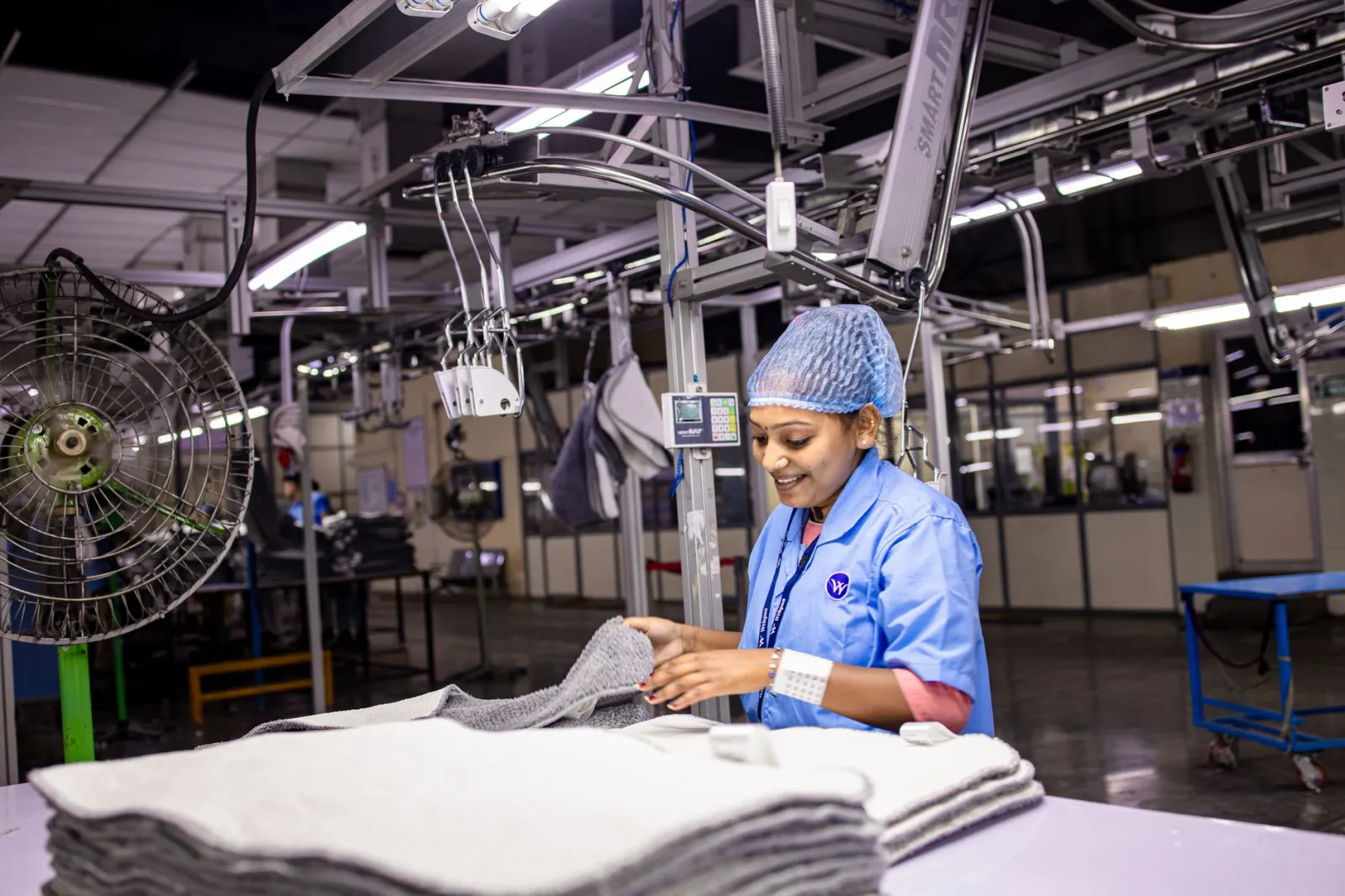
How to Spot Hidden Fabric Production Costs Your ERP Ignores
Your ERP may show material and labour costs, but it misses the hidden expenses that eat margins: energy spikes, machine...
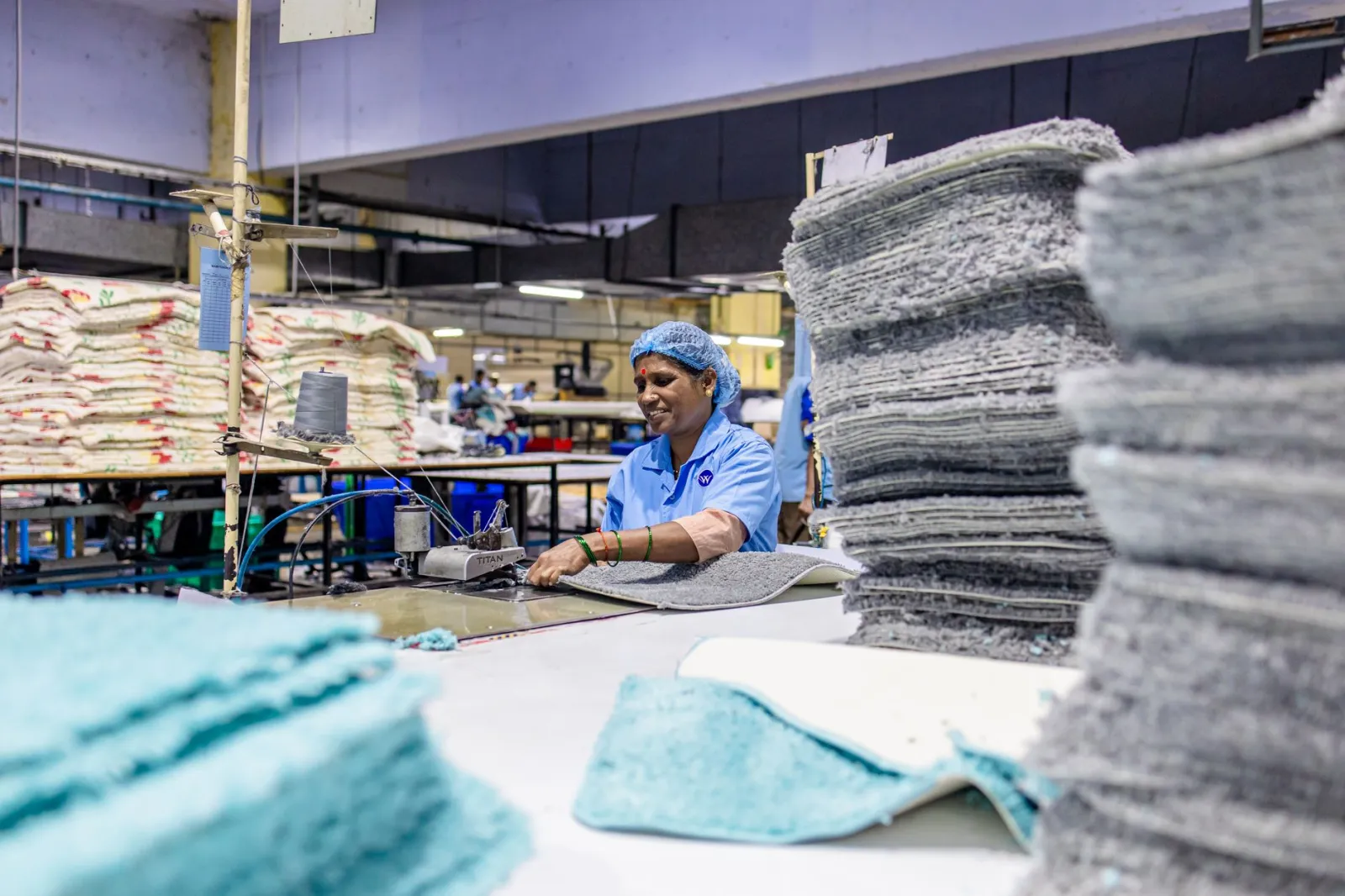
ERP Labor Cost Allocation in Piece-Rate Factories: Avoiding Hidden Errors
Piece-rate payroll in manufacturing is riddled with hidden errors—some only show up months later. ERP systems like Facte...
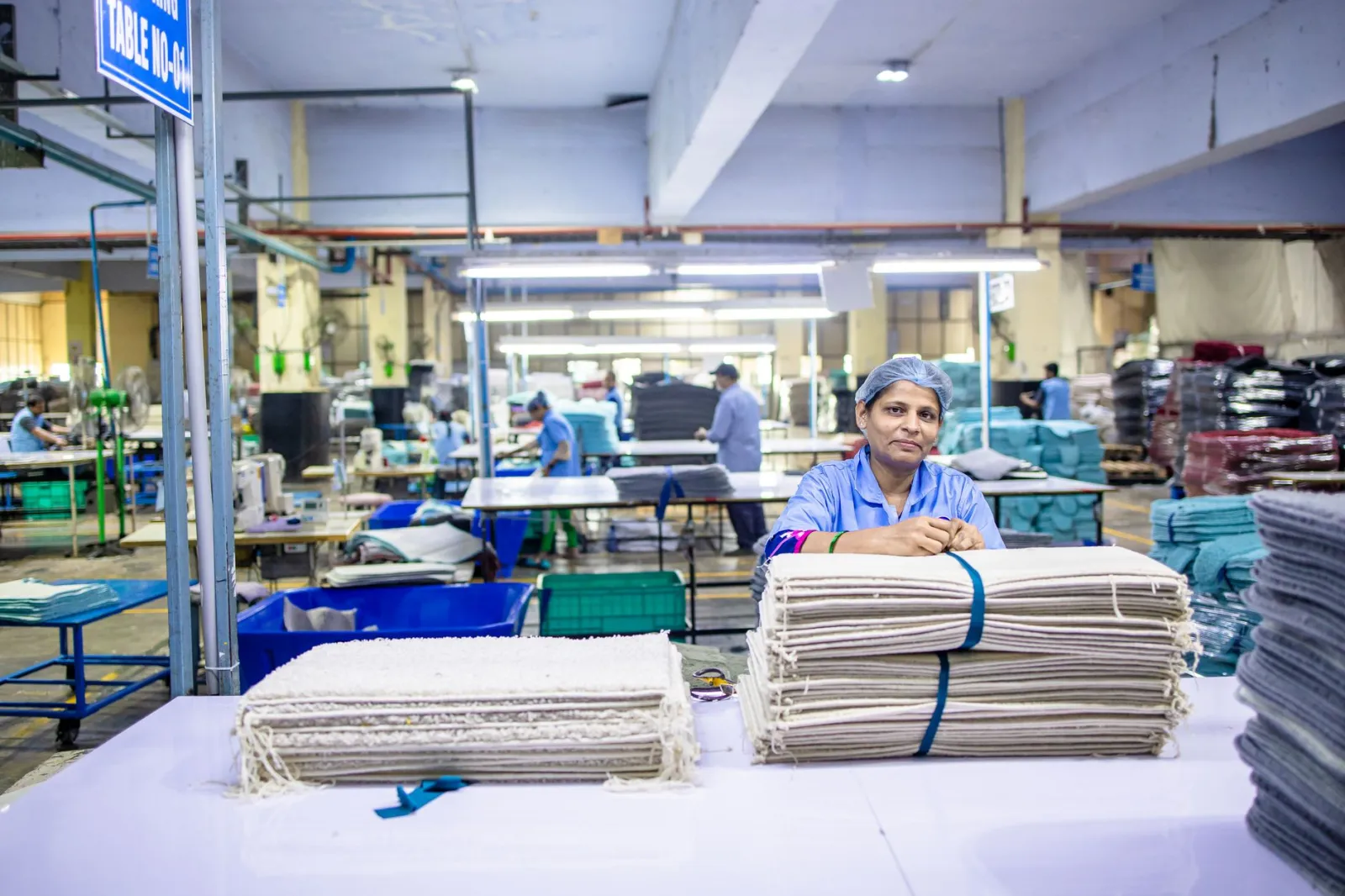
How to Allocate Fabric Scrap Revenue Correctly in ERP
Allocate fabric scrap revenue accurately to production lines in ERP to avoid accounting errors and improve cost tracking...
Other industries