
Category
Inventory & Costing
Stock accuracy, valuation and knowing the true cost of a piece.
Running a factory means keeping track of every nut, bolt, and sheet of steel that comes in and goes out. The stock ledger isn’t just a spreadsheet—it’s the heartbeat of your costing. One wrong count or misplaced receipt can throw off your entire job costing, make cycle counts a nightmare, and leave you guessing what you’re really making on each order. Most shops fight the same battles: parts disappearing into the wrong bin, invoices arriving after the material was already used, or production pulling from stock without anyone updating the system. These small errors add up to big headaches when you try to price a new job or figure out why your margins are shrinking. This section covers the real issues that break stock accuracy and how to fix them before they cost you money.

How to Spot Hidden Fabric Production Costs Your ERP Ignores
Your ERP may show material and labour costs, but it misses the hidden expenses that eat margins: energy spikes, machine...
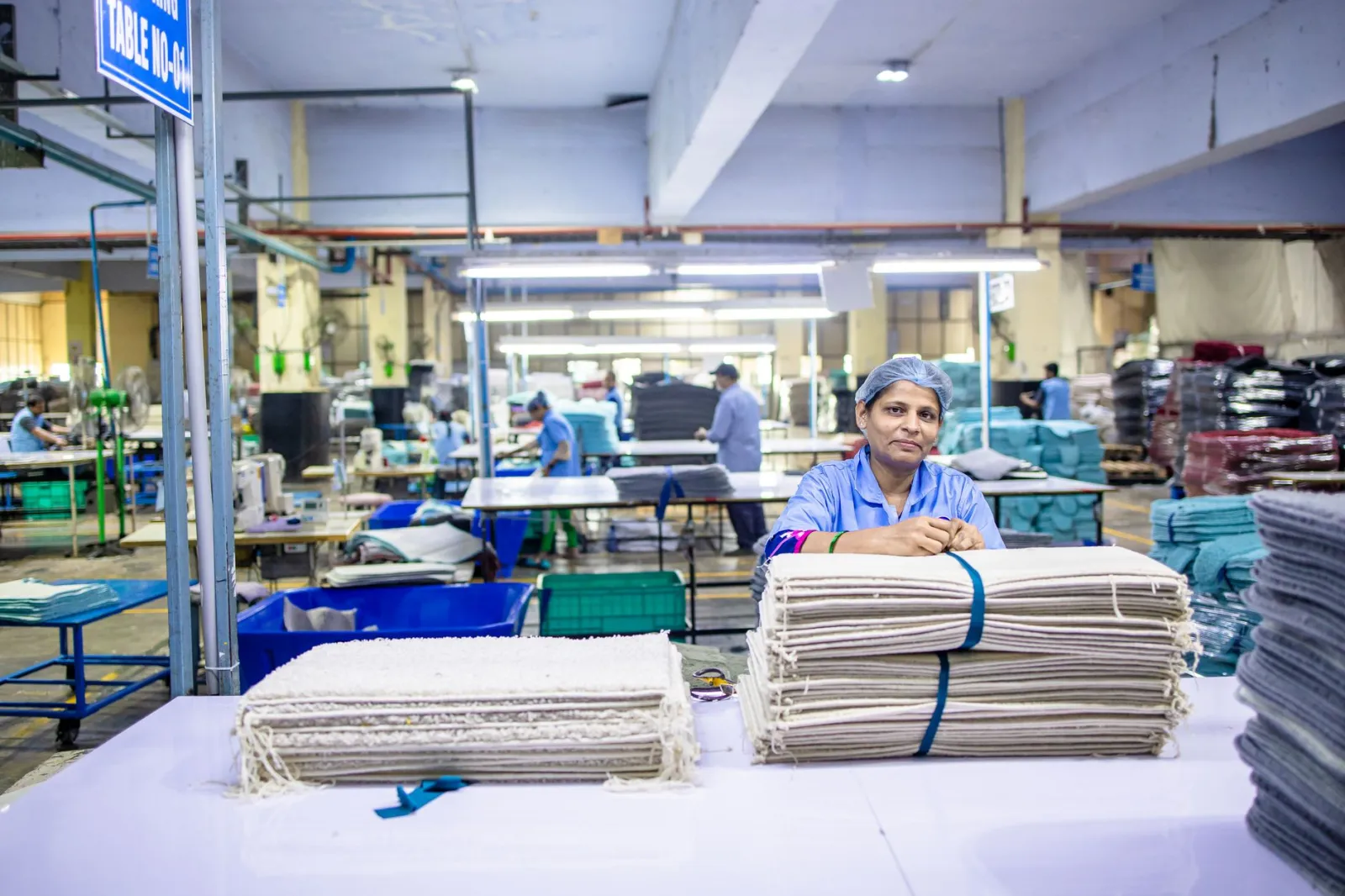
How to Allocate Fabric Scrap Revenue Correctly in ERP
Allocate fabric scrap revenue accurately to production lines in ERP to avoid accounting errors and improve cost tracking...

How ERP Cuts Fabric Lay Planning Costs—Without Guessing
Fabric lay planning costs are not just scrap rates. They include hidden delays, rework and storage fees. ERP ties them t...

How ERP Tracks Fabric Rework Costs—and Cuts Them
Fabric rework costs hide in production logs, shift reports and scrap bins. ERP ties defects to batches, exposes patterns...
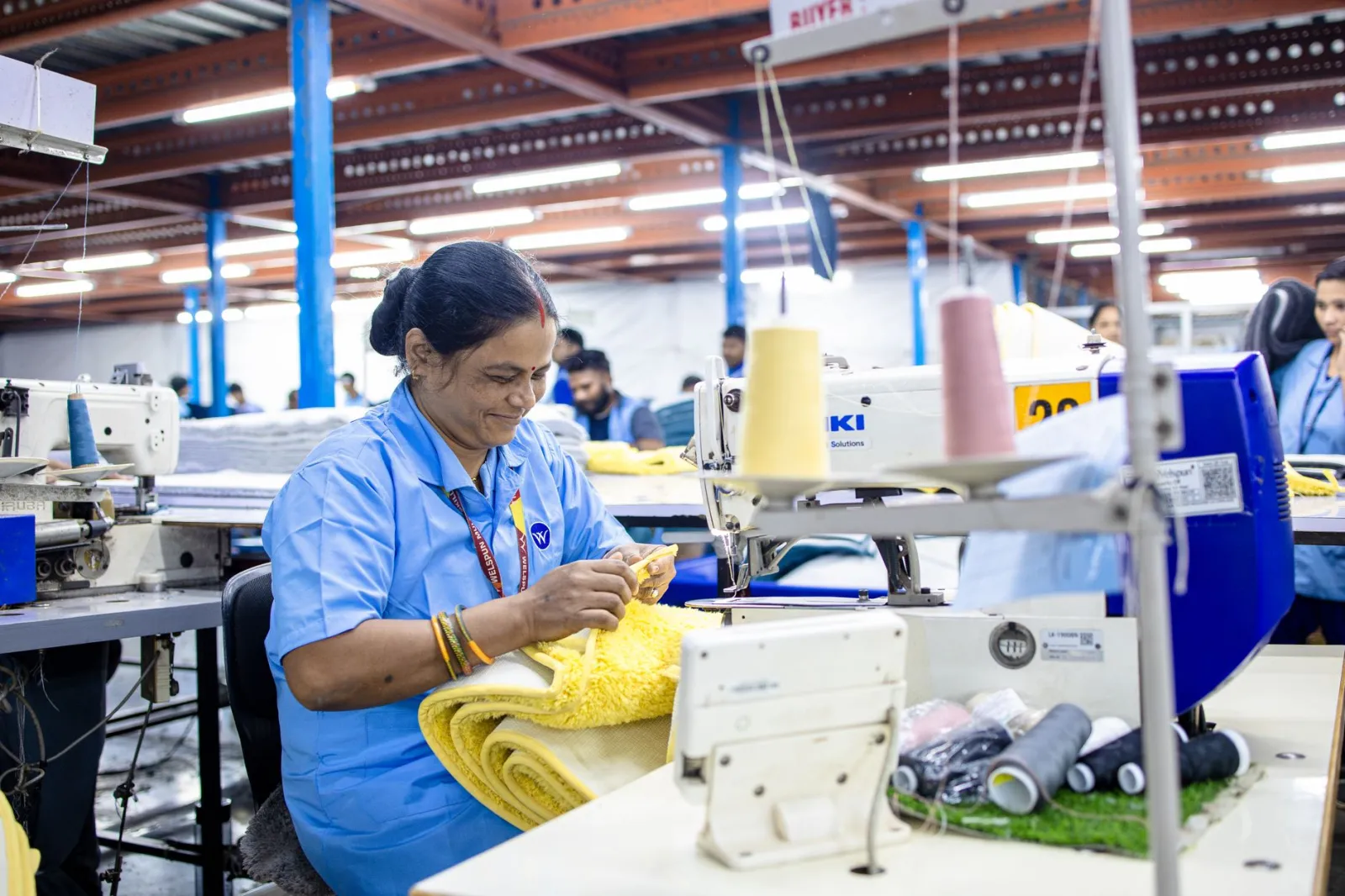
How to Calculate Fabric Cost per Meter in ERP (Not Just per Piece)
Pricing fabric by the piece hides true costs. Learn how to calculate fabric cost per meter in ERP, breaking down raw mat...
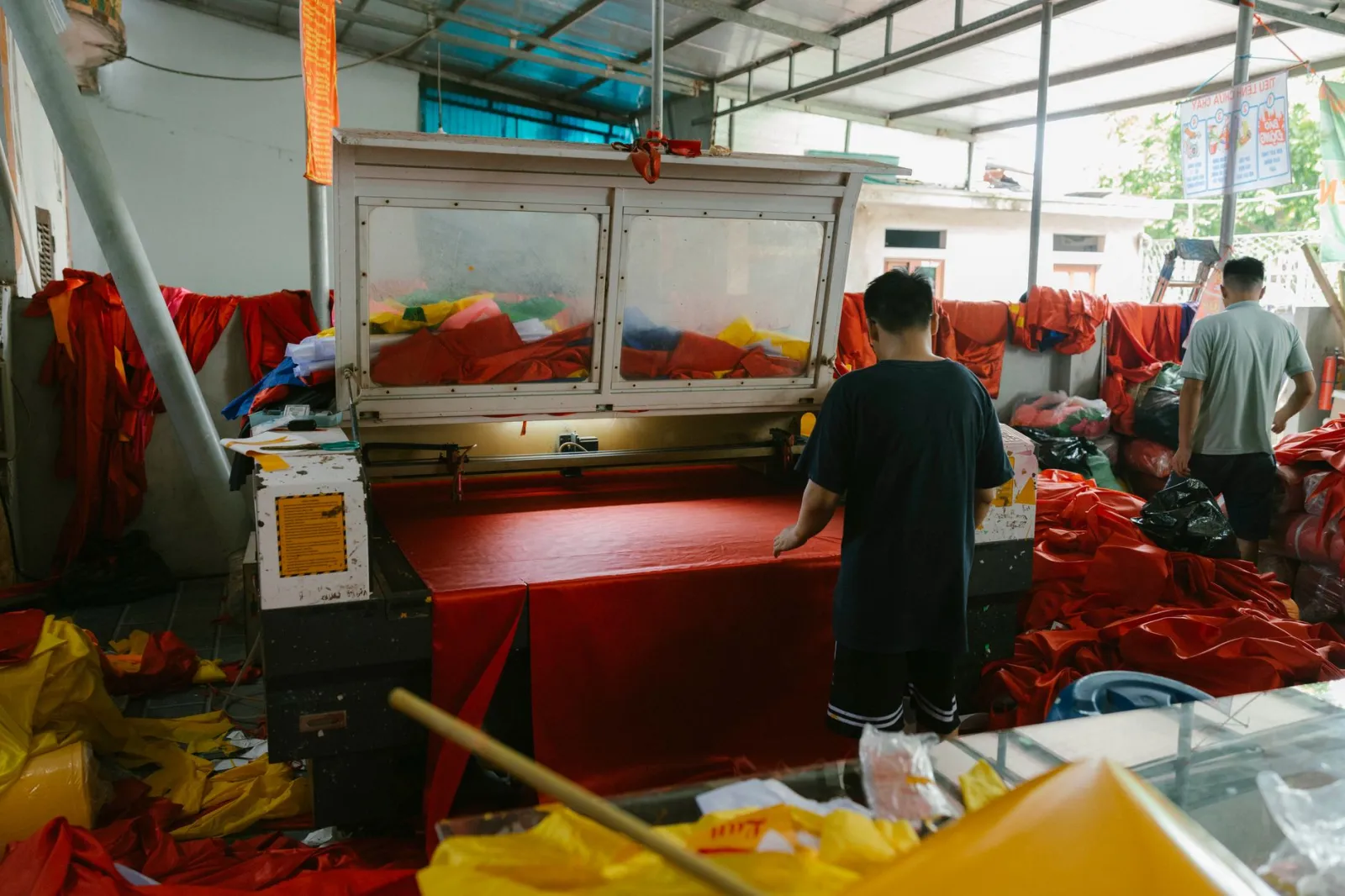
Calculate Real-Time Fabric Yield with ERP and Cut Waste
Fabric waste eats margins. This guide shows how to use ERP to track yield in real time, pinpoint where fabric disappears...
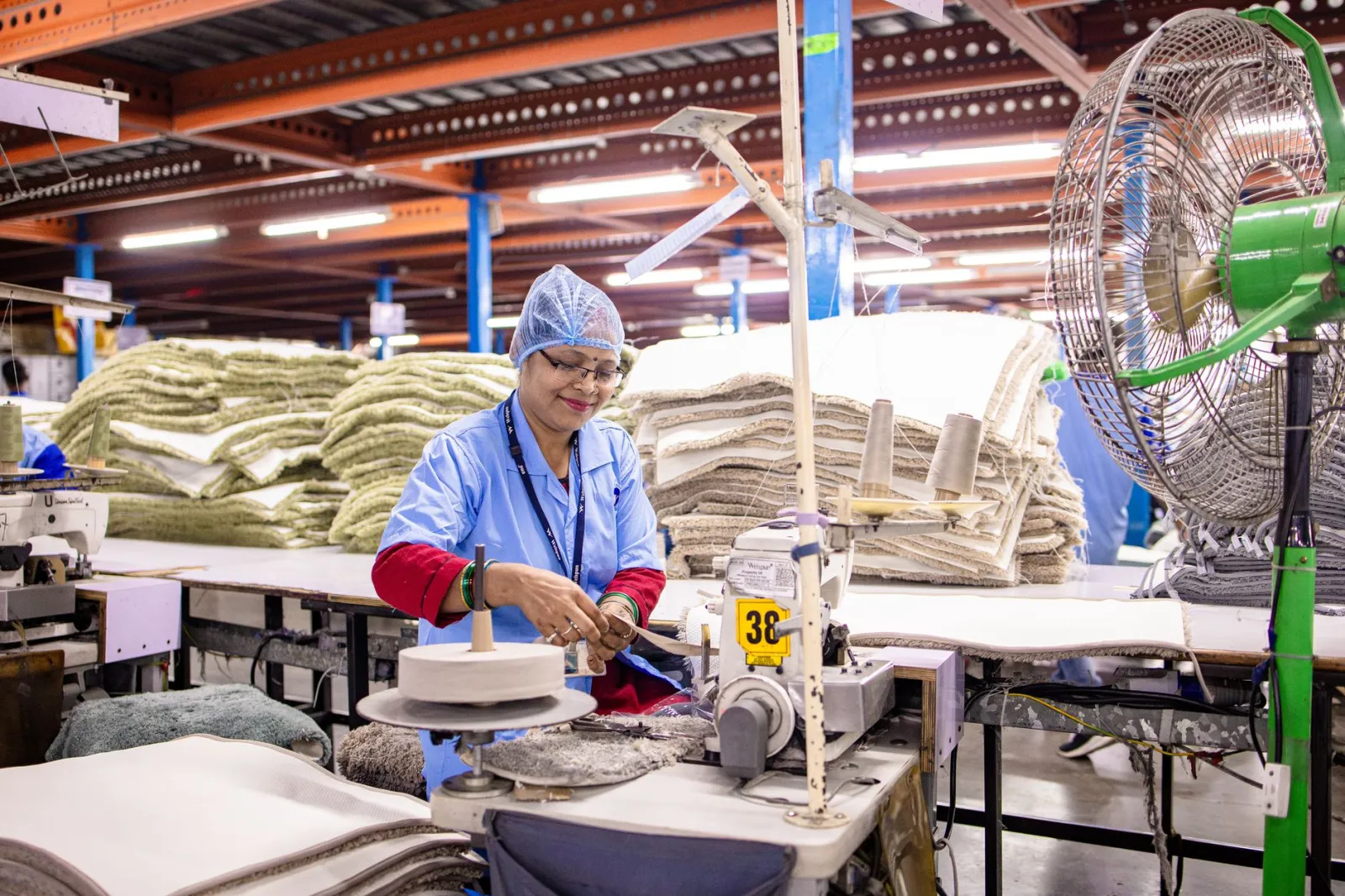
How ERP Cuts Payroll Errors in Piece-Rate Factories
Piece-rate payroll errors cost factories thousands monthly. ERP systems like Facteno capture real-time labor data to cut...

How ERP Exposes Hidden Costs in Fabric Finishing
Fabric finishing hides costs that never appear in quotes or invoices. ERP data reveals them—and cuts them by tracking en...

How ERP Reveals and Cuts Hidden Costs in Fabric Finishing
Fabric finishing hides costs that don’t appear in quotes or invoices. ERP data reveals them—and cuts them by tracking en...
Newsletter
One article a week, no sales mail
Practical notes on costing, stock accuracy, planning and quality — written for people who run plants.
Questions about inventory & costing
What people ask before they start
How do I stop parts from going missing between receiving and the shop floor?
Start by scanning every receipt into the system at the dock and immediately assigning it to a location. Train operators to pull from the system instead of grabbing parts from random bins. If something moves, update the ledger right away—don’t wait until the end of the shift.
Why does my stock valuation keep changing even when I haven’t bought or sold anything?
Hidden adjustments like scrap write-offs, mislabeled returns, or unposted adjustments are usually the culprit. Run a quick variance report between physical counts and the system to spot where the gaps are happening.
What’s the fastest way to find out the true cost of a part I’m about to make?
Pull the material, labor, and overhead costs directly from the latest job cards and receipts tied to that part number. If your system tracks scrap and rework separately, include those too—otherwise your cost will be off before you even start.
How often should I do cycle counts to keep my stock ledger clean?
Cycle count high-value or fast-moving items weekly, and the rest monthly. Focus on parts that appear on multiple open jobs first—those are the ones causing the most confusion when they’re short or overstocked.
What’s the easiest way to spot phantom inventory that’s inflating my stock value?
Look for items with zero usage over the last 6 months but still showing high quantities. Check the receiving log to see if those receipts were ever posted correctly. Often, the problem is a misplaced receipt that never made it into the ledger.
How do I make sure my production team isn’t using the wrong material on a job?
Label every bin with the correct part number and barcode, and require operators to scan the bin before pulling material. If they try to pull from the wrong location, the system should block it unless they enter a supervisor override.