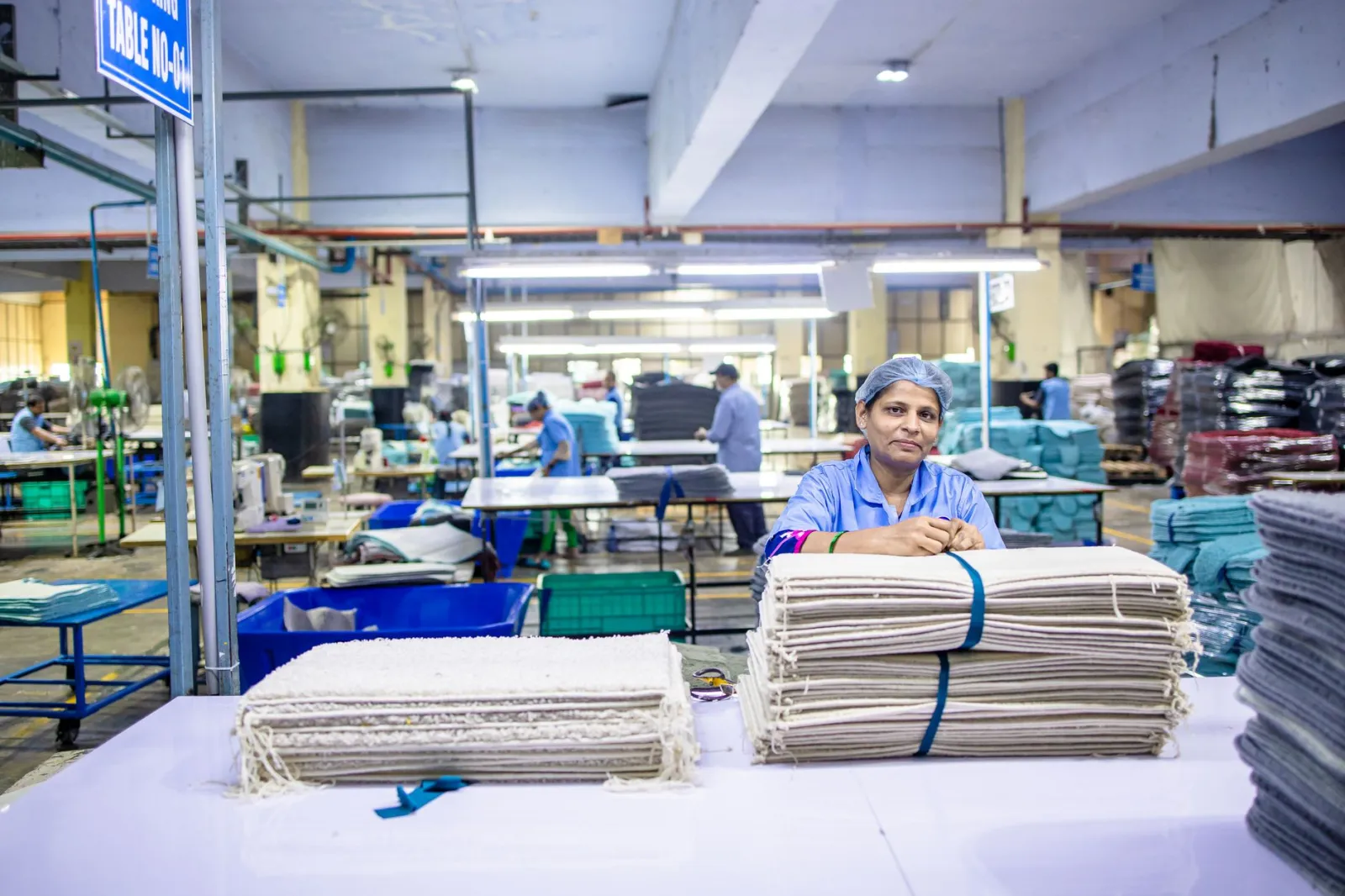
How ERP Cuts Payroll Errors in Piece-Rate Factories
Piece-rate payroll errors cost factories thousands monthly. ERP systems like Facteno capture real-time labor data to cut errors and improve profitability.
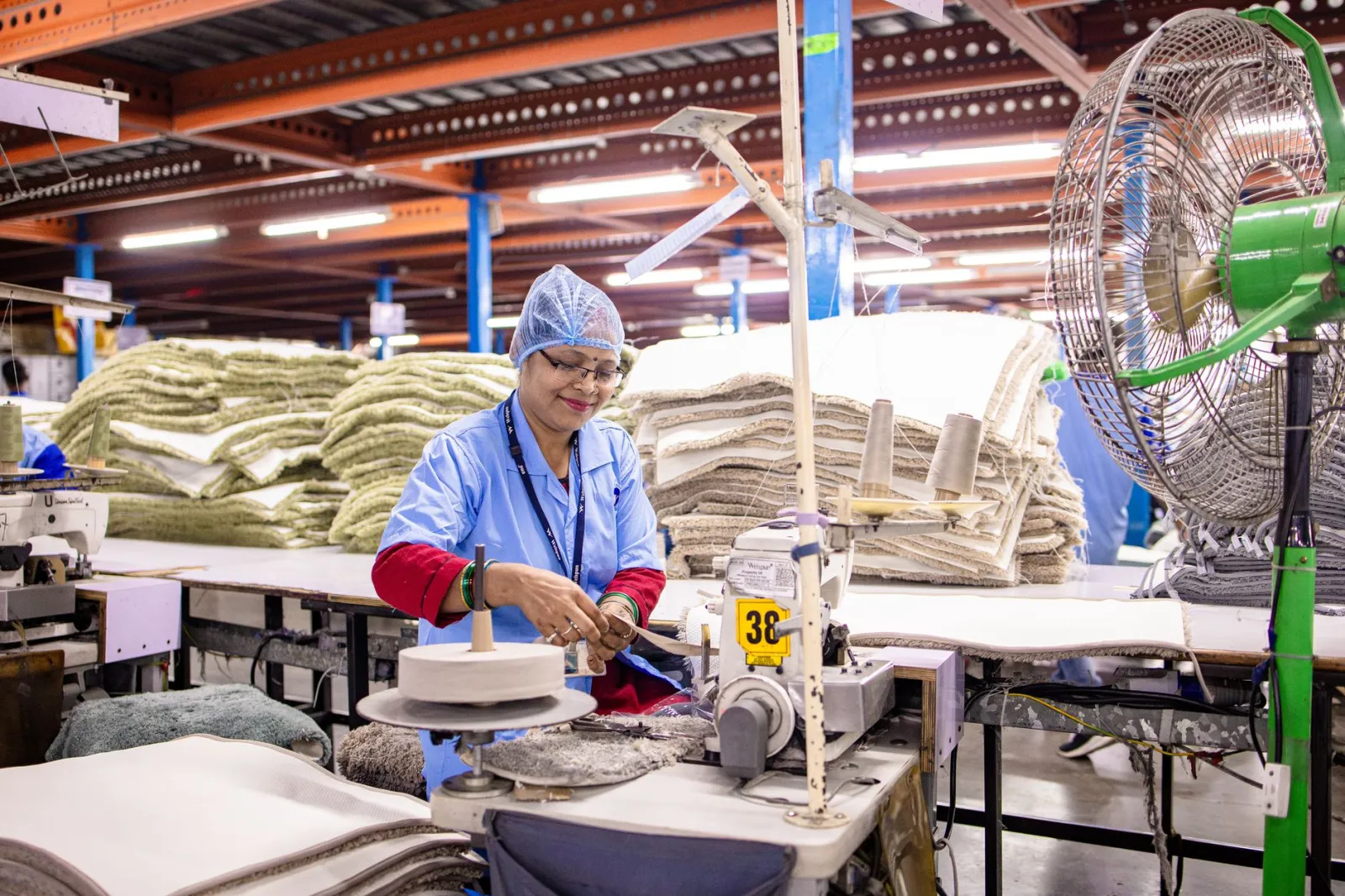
What this covers
- Real-time labor tracking eliminates manual timecards and guesswork in piece-rate payroll.
- Overtime, idle time and defects are captured automatically, not estimated after the fact.
- Payroll errors shrink when wages tie directly to production records, not spreadsheets.
- Facteno’s labor module integrates with production, quality and attendance to close the payroll loop.
- The right ERP system prevents the three common payroll pitfalls: missed overtime, unlogged idle time and misallocated wages.
Piece-rate payroll is broken when you track it by hand
Every time a worker hands in a batch card or timesheet, someone must check it against production records. If the card is lost, the timesheet is late, or the batch card has no job number, the wages get paid wrong. Worse, the error only surfaces when the payroll runs—after the money has left the bank. By then, you’re chasing the worker for a refund or eating the cost yourself.
Facteno fixes this by tying wages to the production record. When a worker completes a piece-rate job, the system logs the quantity, checks for defects, and calculates pay instantly. No batch card, no timesheet, no manual entry. The wages are correct before the shift ends.
How does real-time labor tracking work in a piece-rate factory?
Real-time labor tracking means wages are calculated as work happens, not after the fact. Here’s how it works in a stitching line:
- The worker scans a job card at the start of the shift, which pulls the piece rate from the order.
- Every time they complete a garment, they scan it into the system, which logs the piece and deducts for defects.
- The system multiplies the good pieces by the rate, adds any overtime premium, and posts the wages to payroll.
- Idle time—waiting for fabric, machine breakdowns, or quality holds—is logged automatically and deducted from wages.
No more arguing over batch cards. No more payroll adjustments. The wages match what was actually produced.
What happens when you don’t track labor in real time?
Three things go wrong:
- Overtime gets missed. Workers clock out at the end of their shift, but the system doesn’t know they worked extra to finish a rush order. Without real-time tracking, overtime is either unpaid or overpaid.
- Idle time is invisible. If a machine breaks down for an hour, the worker’s time is still logged as “productive,” even though they weren’t making anything. The cost of downtime gets buried in labor, not flagged as a problem.
- Defects eat wages without warning. A worker might produce 100 pieces but only 90 pass QC. If the system doesn’t deduct the 10 defective pieces at the time of production, the wages are overstated until payroll reconciliation—sometimes weeks later.
Facteno’s labor module solves all three by linking wages to production events. Overtime is captured when it happens. Idle time is logged when machines stop. Defects are deducted before the wages are posted.
How do you know if your payroll is accurate?
You don’t—unless the system ties wages to production. Here’s how Facteno ensures accuracy:
- Every piece is logged. Workers scan completed goods into the system, which checks against the order quantity and deducts for defects.
- Overtime is auto-calculated. The system tracks shift start and end times against the scheduled hours and applies the correct premium.
- Idle time is deducted. If a worker waits for fabric or a machine breaks down, the system logs the downtime and adjusts wages accordingly.
- Payroll posts automatically. No manual entry means no transcription errors. The wages are pulled straight from production records.
Most factories check payroll accuracy once a month, after the fact. Facteno checks it in real time, before the money leaves the bank.
What’s the real cost of manual payroll?
It’s not just the errors—it’s the time spent fixing them. Here’s what manual payroll costs a 200-worker stitching line:
| Cost driver | When it lands | What makes it move |
|---|---|---|
| Batch card errors | Payroll reconciliation (month-end) | Lost cards, illegible handwriting, missing job numbers |
| Overtime disputes | Payroll adjustments (bi-weekly) | Workers clocking in late, unlogged extra hours |
| Idle time unlogged | Labor cost reports (monthly) | Machine breakdowns, fabric shortages, QC holds |
| Defect deductions missed | Payroll corrections (end of month) | Workers not marking defects on batch cards |
| Payroll adjustments | Bank reconciliation (month-end) | Manual corrections after the fact |
Illustration: Say your own scrap rate is 3 per cent and your piece rate is $0.50. If 10 defective pieces slip past QC, that’s $5 in unlogged wages per worker per month. Over 200 workers, that’s $1,000 a month in missed deductions—before you account for overtime or idle time.
Facteno eliminates these costs by tying wages to production events. No batch cards. No manual entry. No payroll surprises.
How do you stop workers from gaming the system?
Workers will always find ways to pad their wages if the system lets them. Facteno prevents gaming with three checks:
- Production must be logged before wages are paid. Workers can’t claim pay for pieces they didn’t scan into the system.
- Defects are logged at the time of production. If a garment fails QC, it’s deducted from wages immediately—not after the fact.
- Idle time is tracked automatically. If a worker isn’t producing, the system logs it as downtime, not productive hours.
Some systems let workers edit their own batch cards or timesheets. Facteno doesn’t. The production record is locked once the piece is scanned, and wages are calculated from that record—not from what the worker claims.
What happens when payroll ties to production?
Three things improve:
- Payroll errors drop to near zero. Wages are calculated from production data, not spreadsheets or handwritten cards.
- Overtime and idle time become visible. Downtime is logged in real time, so you can see which machines or processes are the biggest bottlenecks.
- Labor costs match actual output. No more paying for “productive” time when the worker wasn’t actually making anything.
Facteno’s labor module integrates with production, quality and attendance to close the payroll loop. The result? Fewer disputes, fewer corrections, and a payroll that matches what was actually produced.
How do you choose an ERP that tracks labor accurately?
Not all ERP systems handle piece-rate labor the same way. Here’s what to look for:
- Real-time production logging. Workers must scan completed pieces into the system, not just clock in and out.
- Defect deductions at the point of production. If a piece fails QC, it should be deducted from wages immediately—not after payroll runs.
- Overtime and idle time tracking. The system should log when workers go beyond scheduled hours and when machines stop.
- Integration with payroll. Wages should post automatically from production records, not require manual entry.
Facteno meets all four. Our labor module is built for piece-rate factories, where wages depend on what’s produced—not just who shows up.
What’s the next step this week?
Start by auditing one payroll cycle. Pick a shift, a machine, or a worker group and track:
- How many batch cards or timesheets are missing or illegible?
- How often does overtime get logged late—or not at all?
- How many defects slip past QC before they’re deducted from wages?
If you’re using spreadsheets or paper cards, you’ll find errors. If you’re using an ERP, you’ll still find gaps—but they’ll be easier to fix. The goal isn’t perfection on day one. It’s knowing where the leaks are so you can plug them.
Next, test Facteno’s labor module with a small group. Run a pilot on one stitching line or finishing section. Log production, overtime, and idle time for a week. Compare the wages to your current payroll. You’ll see the errors—and the savings—immediately.
For a live demo of how Facteno tracks labor in real time, visit our running plant. No sales pitch. Just the system in action.
Related reading
- Real-Time Labor Cost Tracking in Piece-Rate Factories: How ERP Fixes Payroll Errors — Piece-rate payroll errors cost factories thousands monthly. ERP systems like Facteno capture real-time labor d...
- How to Cut Material Waste in Manufacturing Using ERP Data — A guide for plant managers and accountants on using ERP data to identify and cut material waste without guessw...
- Choosing ERP for Shift Workers: What to Test Before Signing — Selecting ERP for shift workers requires testing real-world use cases, not just demos—here’s what to check bef...
- Real-Time Labor Cost Tracking in Piece-Rate Factories: How ERP Fixes Payroll Errors — Piece-rate payroll errors cost factories thousands monthly. ERP systems like Facteno capture real-time labor data to cut...
Frequently asked
Can Facteno handle piece-rate wages for both daily-wage and contract workers?
What happens if a worker disputes their wages after the payroll runs?
Does Facteno integrate with existing payroll software?
How do we handle workers who refuse to scan their own production?
What’s the biggest mistake factories make when switching to real-time labor tracking?
Everything above is how Facteno actually behaves
Ask for demo access and we will walk you through a full plant with four months of documents, so you can check the numbers yourself.