How ERP Detects Fabric Defects Before Cutting Starts
Fabric defects found at the cutting table cost more than those caught at the roll stage. Learn how ERP data can identify defects before they reach production.

What this covers
- Real-time ERP alerts catch fabric defects before cutting begins, saving material and labour costs.
- Defect patterns in ERP data reveal root causes—fix them before they repeat.
- Automated inspection reports cut manual errors and speed up compliance checks.
- Hidden costs in finishing and dyeing appear in ERP data—track them to cut waste.
- Start with one inspection stage, then expand to full roll-to-cut defect tracking.
Fabric defects at the cutting table cost more than those caught at the roll stage
When a roll of fabric arrives at the cutting room with unseen defects—stains, weave breaks, or uneven dye—it ties up machines, wastes material, and delays orders. The cost isn’t just the fabric itself; it’s the labour of operators standing idle, the machine hours burned, and the rush orders that follow when customers demand replacements. Worse, these defects often repeat because the root cause—whether a dyehouse error, a loom misalignment, or a storage issue—goes unlogged. Without a system to track where defects first appear, the same problems keep happening.
The solution isn’t stricter inspections or more training. It’s using ERP to turn inspection data into alerts before fabric leaves the roll stage. Facteno’s quality control module captures defects as they’re logged, flags recurring issues, and ties them back to batches, dyes, or looms. The result? Defects are caught where they start, not when they’ve already cost you.
How do you know a defect is a defect—and not just a one-off?
Not every mark or irregularity is a defect. A single stain on a roll might be dismissed as an accident, but ten stains on the same dye batch suggest a problem with the dye mix or the washing process. The challenge is separating true defects from random variations—and doing it fast enough to act.
Facteno’s four-point scoring system (explained in this guide) turns inspection notes into actionable data. A score of 3 or 4 triggers an alert, but it’s the *pattern* that matters. For example:
- If 80% of defects in a dye batch are the same type (e.g., colour fading in one corner), the issue is likely in the dyehouse process.
- If defects cluster on rolls stored near a humid corner of the warehouse, the problem is environmental—not the fabric itself.
- If defects appear only after a specific loom operator’s shift, the cause might be machine setup or thread tension.
ERP doesn’t just log defects; it groups them by batch, dye lot, loom, or operator. That’s how you stop treating symptoms and start fixing causes.
What happens when defects slip past inspection—and how much does it cost?
Defects caught at the roll stage cost less than those found at cutting. But the real damage isn’t the scrap—it’s the hidden costs that follow. Consider this illustration:
Say your own scrap rate is 3% on a 500-metre roll of fabric priced at $8 per metre. At face value, 3% scrap is $120 per roll. But:
- The cutting machine runs for 2 hours per roll, at $40/hour labour + $25/hour machine depreciation. That’s $130 in tied-up capacity per defective roll.
- If the defect forces a rush reorder, you pay $150 for expedited dyeing and $50 for overnight shipping.
- Customer delays may trigger a $200 penalty or lost future orders.
Total hidden cost per defective roll: **$500–$600**. Multiply that by 20 rolls a week, and the annual cost of missed defects isn’t scrap—it’s **$52,000–$62,400** in avoidable losses. Facteno’s defect tracking doesn’t just log defects; it calculates the cost of inaction so you can prioritise fixes.
For a deeper look at how finishing hides costs, see this article.
How do you turn inspection notes into alerts before fabric moves?
Most plants log defects in spreadsheets or paper forms. By the time someone notices a pattern, the fabric is already in cutting. ERP changes that by automating three steps:
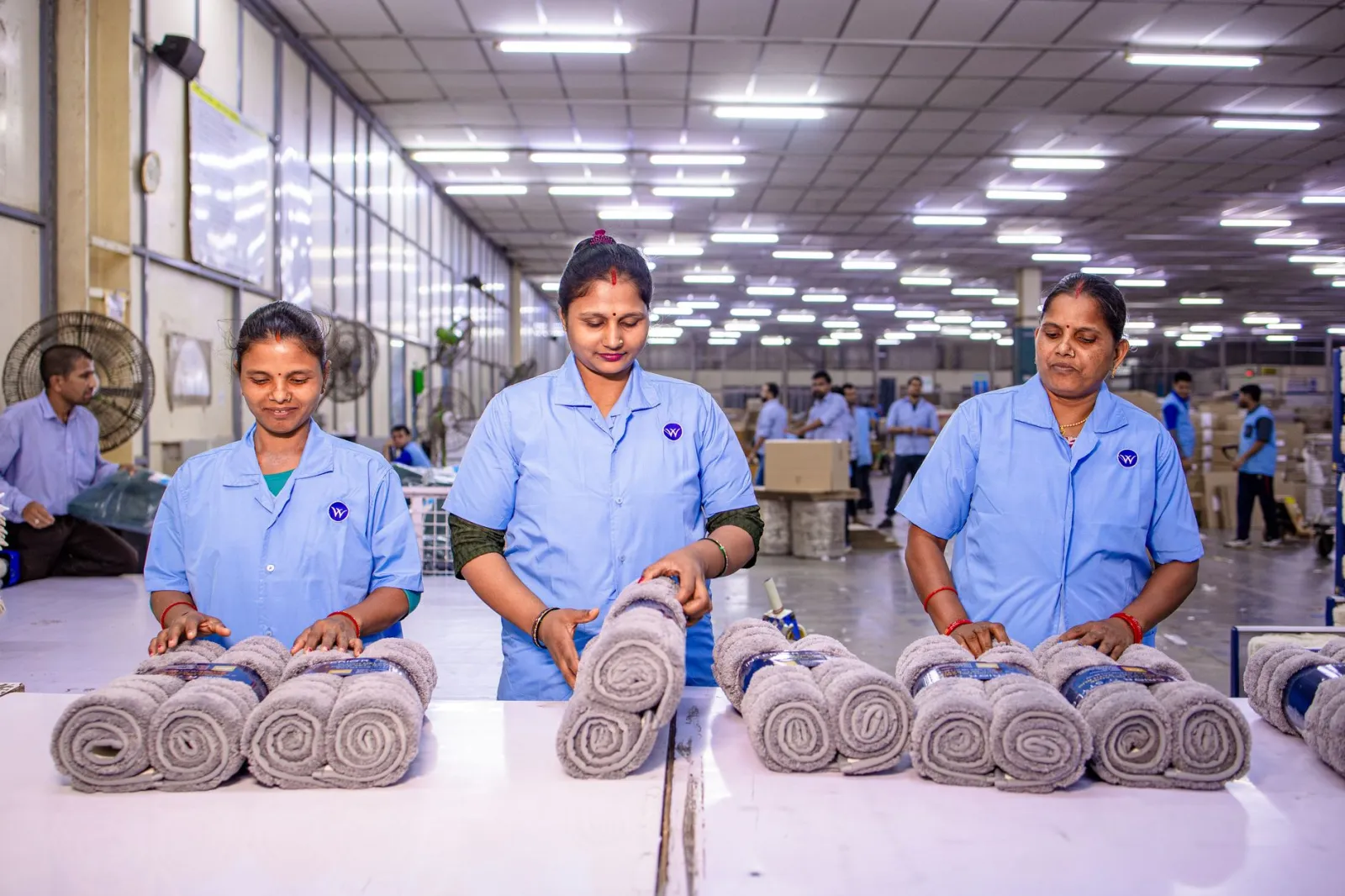
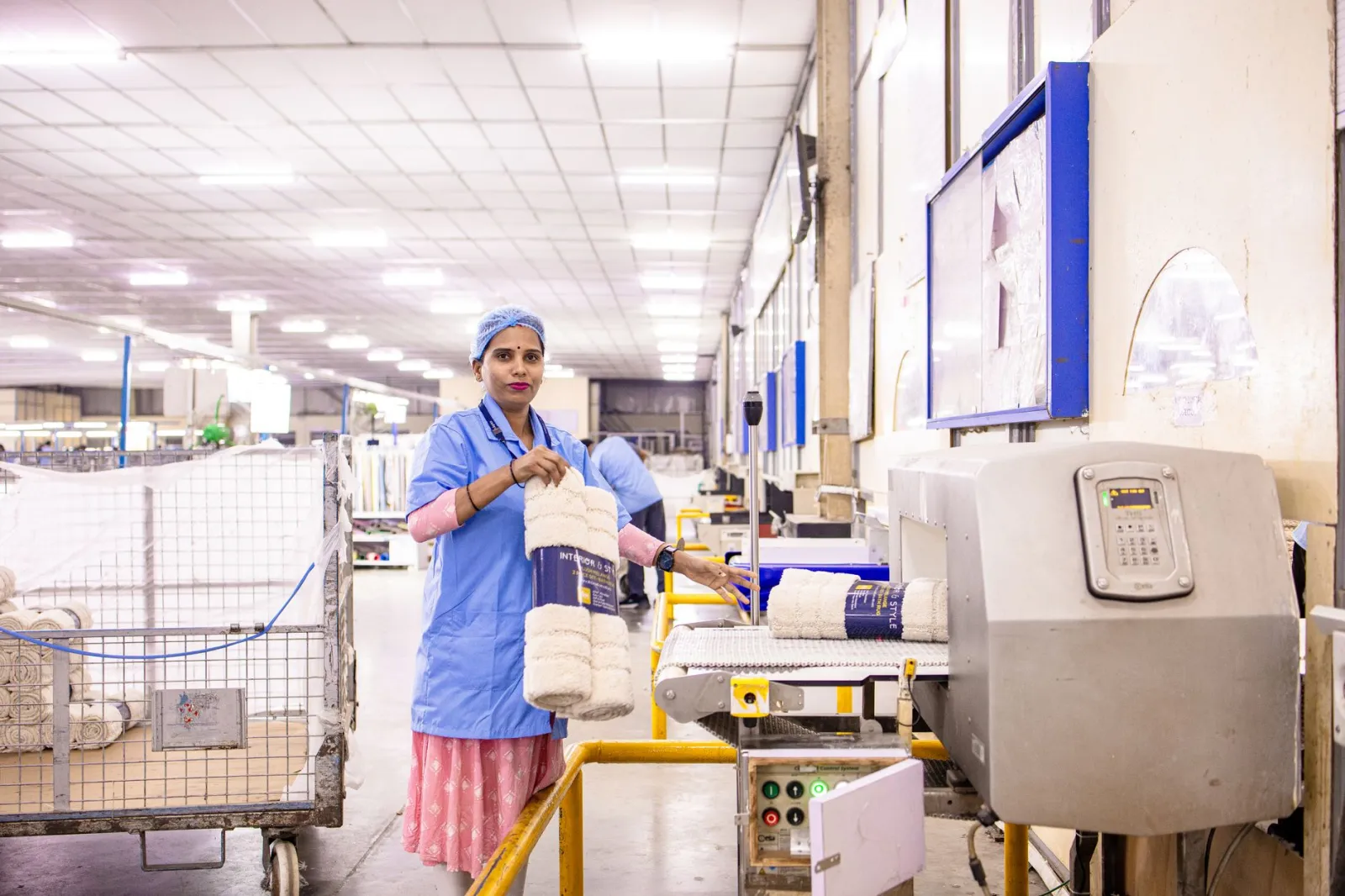
- Capture defects in real time. Inspectors log defects directly into Facteno during roll inspection, attaching photos and linking them to the batch card. No manual transcription, no lost notes.
- Set alert thresholds. Define rules like *“Alert if >2 defects per roll in a dye batch”* or *“Flag if defect type repeats in 3 consecutive rolls.”* These triggers run in the background.
- Route alerts to the right person. A dyehouse error alerts the dye master; a loom issue goes to the weaving foreman. No more chasing down who’s responsible.
The key is linking defects to the *source*—whether it’s a specific dye lot, loom, or operator. Facteno’s quality control module does this by tying inspection records to:
- Batch numbers (from inventory and stores)
- Dyehouse process logs (from production planning)
- Loom maintenance records (from downtime tracking)
Without these links, you’re left guessing whether a defect is a one-off or a sign of a failing process.
What’s the fastest way to start—without overhauling your inspection process?
You don’t need to digitise every inspection overnight. Start with the stage where defects cause the most damage—usually the roll inspection before cutting. Here’s how to begin in a week:
- Pick one inspection point. Choose either incoming fabric (from suppliers) or outgoing rolls (before cutting). Avoid spreading too thin.
- Train inspectors on the four-point scale. Use Facteno’s guide to consistent scoring to standardise notes.
- Set two alert rules. Example: *“Alert if >1 major defect per roll”* and *“Alert if defect type repeats in 2 rolls.”* Use Facteno’s quality control module to configure these.
- Link defects to batches. Ensure every inspection note references the batch number in inventory. This ties defects to material, dyes, and looms.
- Review alerts daily. Start with a 15-minute check of new alerts. Facteno’s business control centre surfaces critical issues at a glance.
After two weeks, you’ll see which defects repeat and where they originate. That’s when you expand to other stages—like pre-dye inspection or loom output checks.
How do you stop defects from repeating after you’ve fixed the first batch?
Fixing a defect once doesn’t mean it’s solved. A dyehouse might adjust a mix after one bad batch, but if the same error reappears in the next dye run, the root cause wasn’t addressed. ERP prevents this by:
- Tracking defect patterns across batches. If 60% of defects in a dye colour are “uneven shade,” Facteno flags the dye recipe—not just the last batch.
- Linking defects to process steps. A loom defect tied to a specific operator or thread type forces a machine check, not just a re-inspection.
- Automating root-cause reports. Facteno’s reports module generates weekly summaries of recurring defects, showing which stages need process reviews.
For example, if defects cluster in rolls dyed on Mondays, the issue might be weekend machine setup. Without ERP, you’d only catch this after multiple bad batches. With it, you spot the pattern in the first week.
To see how defect patterns reduce scrap, read this article.
What are the hidden costs of not tracking defects in ERP?
Most plants track scrap, but few account for the secondary costs of defects. Here’s what ERP reveals—and how much it moves when defects slip through:
| Cost Driver | When It Lands | What Makes It Move |
|---|---|---|
| Machine downtime | Immediate (cutting room) | Defects force machine stops for rework or adjustments. |
| Expedited reorders | 1–3 days later | Rush dyeing, shipping, or loom repairs to meet deadlines. |
| Customer penalties | Delivery date or next order | Late shipments or quality complaints erode trust. |
| Operational fatigue | 3–6 months later | Repeated rework reduces morale and increases turnover. |
| Process blind spots | Ongoing | Unlogged defects let root causes repeat indefinitely. |
ERP doesn’t just log defects; it ties them to these cost drivers. For instance, if defects in a dye colour consistently trigger expedited reorders, Facteno’s costing module shows the true cost of that colour—including rush fees and lost capacity. That’s how you stop treating defects as a scrap issue and start seeing them as a process failure.
What’s the first step this week?
Don’t wait for a major defect to force action. Start with these three tasks:
- Audit one inspection stage. Pick either incoming fabric or pre-cutting rolls. Review the last 10 inspection notes. Are defects logged consistently? Are they tied to batches or looms? If not, that’s your first priority.
- Set up two alert rules in Facteno. Use the quality control module to create triggers for:
- Defects exceeding your target rate (e.g., >2 per roll).
- Repeating defect types in the same batch or dye lot.
Log in to this live demo to see how alerts work in practice.
By next week, you’ll have a baseline of where defects hide—and where to focus fixes.
Frequently asked
Our inspectors already log defects. Why do we need ERP?
Will ERP slow down inspections?
How do we handle defects from suppliers?
What if our defects are mostly minor?
Can we use ERP for defects in stitching, not just fabric?
Everything above is how Facteno actually behaves
Ask for demo access and we will walk you through a full plant with four months of documents, so you can check the numbers yourself.